
Trial Sales
Control
& Support
Support
Trial Sales
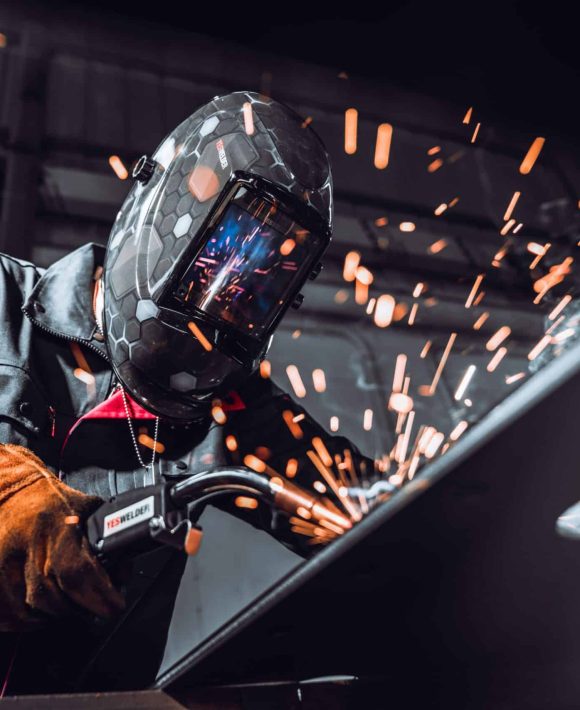
3-Months Free Trial Sales
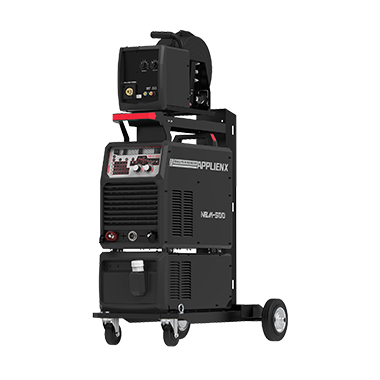
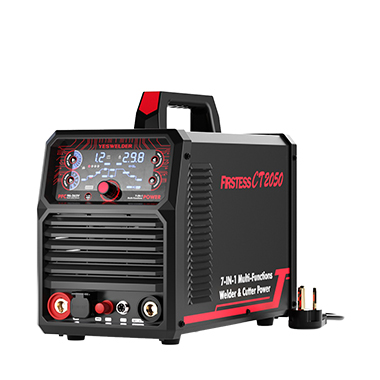
YesWelder provides a three-month free trial sale support to help distributors test the market.
Distributors select the products they want to sell in stores and pay for the display samples.
If sales are generated, products will be sent to customers from YesWelder’s warehouse directly.
YesWelder settle with distributors at wholesale price, and the profit generated during the sales belongs to distributors.
When the free trial sale is going to expire, distributors can decide whether to go on with the sales ,and place order to YesWelder according to the actual situation. (NOTE: This support is valid only for the US market)

Control
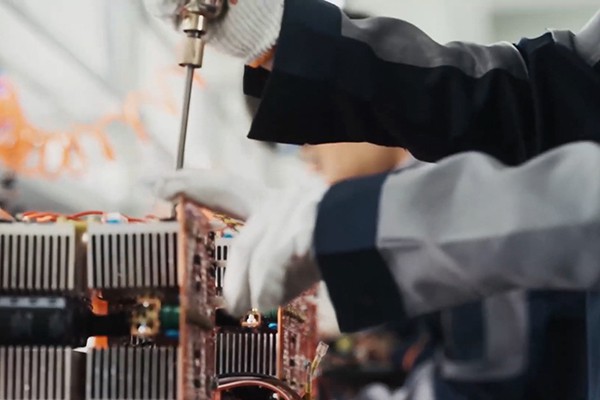
Advanced Quality Control
Seventeen years of manufacturing and brand-operation experience enable us to understand the market’s real needs, and the pain points for the products.
- Through creative innovation and advanced technology, we can always improve the user experience timely.
- We promise to use stable & high-quality components to ensure product durability.
- Every YesWelder product goes through a complete quality control inspection before packing.
& Support
Sales Promotion & Support
To help distributors to expand the market, YesWelder will invest in advertisement promotion, including but not limited to search engines like Google, forums, groups, and video advertising, which can increase brand exposure, establish brand images and make business happen easier.
Every distributor will be issued a sales target accomplishment award when they reach the annual sales target as encouragement.

Support
Reliable Aftermarket Support
To guarantee distributors’ rights, YesWelder has purchased product liability insurance for all YesWelder products, and a professional team of lawyers are avialable to provide legal assistance. Don’t worry about the quality problems if they do occur, YesWelder is your strong backing to solve your worries behind.
- Besides, in order to guarantee distributors’ interest and increase the market competitiveness, YesWelder provides strong after-sales service.
- 1% spare parts will be provided for quick after-service maintenance along with a one-year whole machine quality assurance.
- During the one-year warranty period, if the machine has malfunctions due to quality problems and can’t be repaired, customers are allowed to return the products to distributors for money or change a new model.
YesWelder will cover the refund, and distributors can cut from the purchase payment.

Welding Inspection: Beginner’s Guide
Welding inspection ensures the quality and safety of welds in critical industries like construction, aerospace, and oil & gas. By evaluating welds to meet strict standards, inspectors prevent failures that could lead to costly repairs or safety risks. This guide is a go-to resource for mastering welding inspection. Beginner’s Glossary WPS (Welding Procedure Specification) Instructions for creating a weld. PQR (Procedure Qualification Record) Documentation of weld test results. NDT (Non-Destructive Testing) Non-destructive testing methods like ultrasonic or radiographic testing. What Is Welding Inspection and Why Is It Important? Welding inspection evaluates welds to ensure they meet quality, safety, and regulatory standards, such as AWS D1.1. Inspectors identify imperfections like cracks

Lap Weld: Everything You Need to Know About Overlapping Joints
In metal fabrication, welding isn’t just about melting two pieces of metal together, it’s about joining them in the strongest, most efficient way for the task at hand. Different joint designs determine how force travels through a welded structure, how easily it can be produced, and how long it lasts under stress. One of the most common and versatile designs used in industries like automotive, construction, and manufacturing is the lap weld. This joint is known for its simplicity, ease of alignment, and excellent strength when done correctly. In this detailed guide, we’ll explore everything you need to know about welding lap joints, from how they work to their applications,
MIG vs TIG Welding: Understanding All the Fundamentals
Welding is critical in many industries, yet choosing the right method can be challenging. With various options available, how do you decide which is best for your specific needs? This dilemma often leaves professionals and hobbyists questioning whether to opt for MIG (Metal Inert Gas) or TIG (Tungsten Inert Gas) welding. This comprehensive guide is designed to demystify MIG and TIG welding techniques, providing clear insights into their fundamentals, advantages, and limitations. By the end of this article, you will thoroughly understand which welding method best suits your projects, ensuring optimal results and efficiency. Fundamentals of MIG vs TIG Welding MIG and TIG welding may seem similar initially, but their