Choosing the right welding wire supplier directly affects your weld quality, productivity, and rework rate.
If your wire feeds smoothly and stays consistent, your arc stays stable, penetration improves, and your welds come out clean. When wire quality drops, the problems show up fast—spatter, porosity, uneven beads, and wasted time fixing bad welds.
In this guide, we’ll show you how to evaluate welding wire suppliers based on quality, pricing, stock, and support—so you can choose a supplier that keeps your shop running smoothly instead of slowing you down.
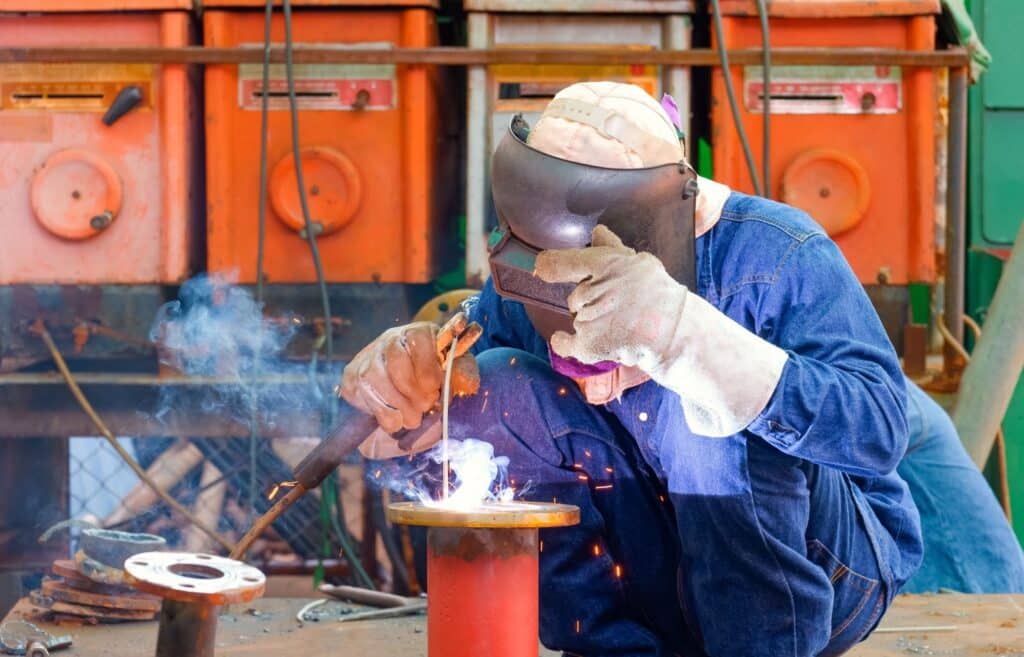
Why do the right welding wire suppliers matter for your shop?
The right welding wire suppliers matter because wire consistency affects every part of your welding process—from arc stability to how much rework you deal with at the end of the day.
When a supplier delivers clean, consistent wire, your machine settings stay predictable and your welds behave the same from spool to spool. When the wire quality changes, even slightly, your arc becomes harder to control and defects increase.
How consistent wire improves your workflow
Consistent welding wire improves your workflow because it removes variables from your setup. When the wire feeds the same way every time, your machine settings stay stable and your weld puddle behaves predictably.
Reliable wire leads to:
- Stable Arc And Smoother Starts
- Better Penetration With Fewer Cold Spots
- Cleaner Beads With Less Spatter
- Fewer Weld Defects And Less Rework
In real shop conditions, this means less time adjusting settings, less grinding, and more time actually welding parts that pass inspection.
How good suppliers help with cost
Good welding wire suppliers help control costs by offering consistent pricing, bulk discounts, and shop programs that actually make sense for daily welding work.
While cheaper wire may look appealing upfront, inconsistent quality often leads to more scrap, more grinding, and more labor spent fixing defects. Over time, a fair price with reliable wire usually costs less than constantly chasing the lowest spool price.
How suppliers support your technique
A capable welding wire supplier supports your technique by helping you match the filler material to the job—not just by selling what’s cheapest or most convenient.
A knowledgeable supplier can help you:
- Match Filler Wire To Metal Type And Thickness
- Select Wire That Works Best For Specific Joint Designs
- Choose Wire That Feeds Smoothly In Flat, Vertical, Or Overhead Positions
- Align Wire Selection With Amperage Range And Shielding Gas
This kind of guidance matters even for experienced welders, especially when you change materials, adjust joint design, or troubleshoot feeding and arc control problems.
For practical setup and feeding adjustments that affect wire performance in real jobs, see our wire feed welding tips.
How Shipping and Availability Affect Your Workflow
Shipping speed and inventory reliability have a direct impact on shop productivity.
When wire deliveries arrive late or unpredictably, projects pause and welders wait instead of welding. Suppliers that keep common wire sizes and alloys in stock—and ship quickly—help you avoid emergency orders and last-minute substitutions.
Predictable availability keeps production schedules intact and crews focused on work, not supply problems.
What types of wire should welding wire suppliers offer?
Welding wire suppliers should offer a full range of filler materials so your shop can handle different metals, processes, and job types without switching vendors.
When one supplier covers your everyday welding needs—from MIG to flux-cored to TIG—you save time on ordering, keep inventory simpler, and avoid delays caused by missing or mismatched wire.
What MIG welding wire should they stock?
They should stock the most common MIG wires, including steel, stainless, and aluminum.
- Carbon steel welding typically uses ER70S-3 or ER70S-6.
- Stainless steel applications often require ER308L, ER309L, or ER316L, depending on base material and corrosion requirements.
- Aluminum welding commonly relies on ER4043 or ER5356.
Popular diameters such as 0.023 in, 0.030 in, 0.035 in, and 0.045 in should be readily available, along with small spools and larger spools or drums for higher-volume work.
What flux-cored wire should they carry?
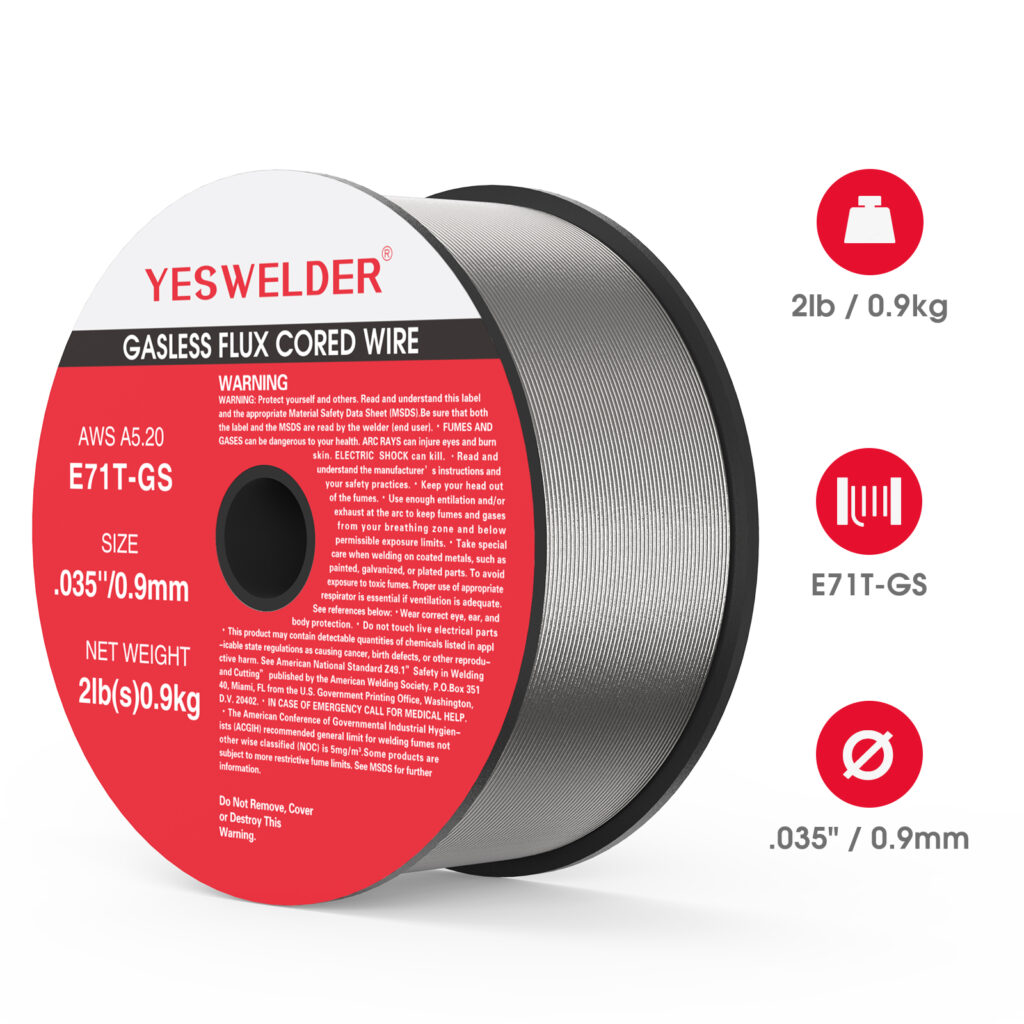
Flux-cored wire works well outside or on heavy steel. This type of wire varies a lot by brand, so the supplier must offer trusted options.
Flux-core types
- Self-shielded wire: E71T-11, E71T-GS
- Gas-shielded wire: E71T-1, E70T-1
- Hardfacing wire
What TIG filler rods should be available?
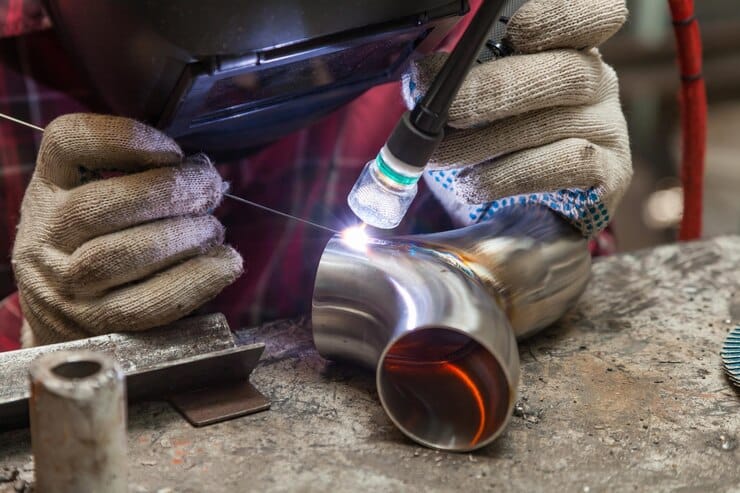
TIG work needs clean filler with steady melting behavior. A good supplier carries filler for common metals and tricky alloys.
TIG welding requires clean filler rods with consistent melting behavior, especially for thin materials and visible welds.
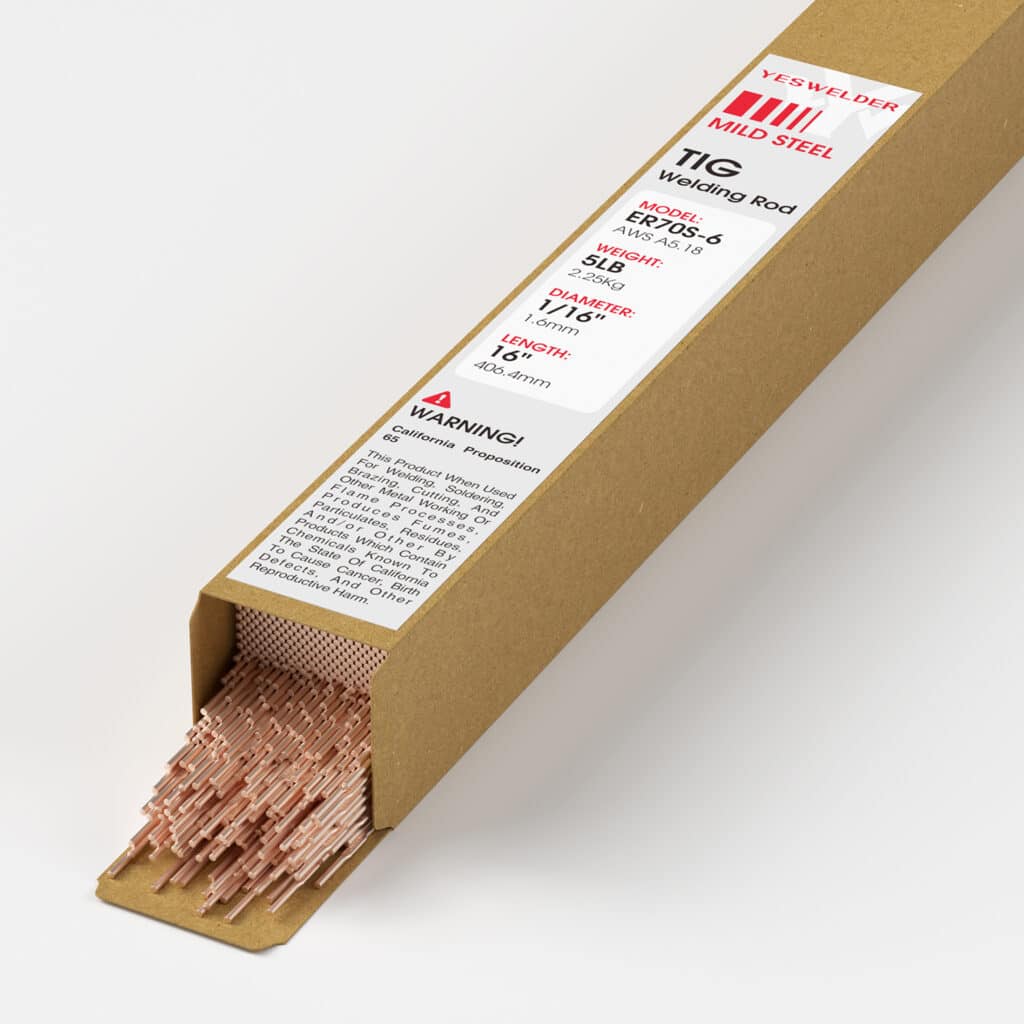
Suppliers should offer welding rods Tig for mild steel, stainless steel, and aluminum, along with specialty options such as silicon bronze, nickel alloys, and titanium.
Common rod sizes—1/16 in, 3/32 in, and 1/8 in—should be easy to source to match joint fit-up and heat input.
Should Suppliers Offer Specialty and Hardfacing Wire?
Yes. Many shops work with materials that require specialty fillers or wear-resistant solutions.
A reliable supplier either stocks or can quickly source materials such as nickel-based alloys, Inconel, cobalt alloys, bronze fillers, alloyed carbon steel wire, and abrasion-resistant hardfacing wire.
What Should You Look for When Evaluating Welding Wire Suppliers?
You should evaluate welding wire suppliers based on quality, pricing structure, stock availability, technical knowledge, service, and delivery reliability.
Wire Quality and Certification
Look for clear labeling, traceable batches, and compliance with recognized standards such as AWS. Avoid unbranded or poorly labeled wire.
Pricing and Terms
Compare more than the price tag. Consider bulk discounts, shipping fees, minimum order rules, and long-term consistency.
Stock and Reliability
Suppliers should maintain inventory for common sizes and alloys, restock quickly, and offer predictable availability.
Customer Service and Support
Fast responses, clear communication, order tracking, and fair return policies all signal a supplier that takes long-term partnerships seriously.
Warning Signs of a Poor Welding Wire Supplier
Some issues show up early and signal deeper problems:
- Unbranded Or Poorly Labeled Wire
- Low Or Inconsistent Inventory
- No Technical Support
- Missing Certifications
- Slow Or Unreliable Shipping
- Poor Customer Reviews
- Rusted Or Old Spools
If you see these signs, it’s usually best to move on.
Key Questions to Ask Before Choosing a Supplier
Before committing, ask:
- Do you carry AWS-certified wire?
- Which brands do you stock regularly?
- Do you offer bulk or volume pricing?
- How fast can you deliver to my area?
- Can you help with wire selection for specific jobs?
- How is wire stored and handled?
- Can you source specialty wire if needed?
Clear answers signal a dependable supplier.
Conclusion
Strong welds start with strong materials, and choosing the right welding wire supplier plays a major role in your results.
Suppliers that offer consistent wire quality, dependable stock, technical support, fair pricing, and reliable delivery help reduce rework, improve productivity, and control long-term costs. Take time to compare options, ask direct questions, and focus on performance—not just price.
If you want help welding supply company or choosing the right wire for a specific job, the next step is simple: match your application to a supplier that treats welding wire as a process-critical material, not a commodity.
FAQs About Welding Wire Suppliers
A welding wire supplier should provide clear, manufacturer-backed warranty and support policies that cover defects and allow easy returns, so you can buy with confidence, especially when ordering in larger quantities.
Both can work, depending on your needs. Local suppliers are useful for urgent pickup and hands-on support, while online welding wire suppliers often offer wider selection, better pricing, and faster shipping to remote locations. Many shops use a mix of both.
Yes. Suppliers with centralized inventory and batch control can help maintain consistent wire performance across different shops or job sites.
Yes. Suppliers with centralized inventory and batch control can help maintain consistent wire performance across different shops or job sites.
Some suppliers change manufacturing sources over time, which is why consistent performance and batch documentation matter more than brand name alone.