
What Is Maritime Welding? Uses, Techniques, and Career Paths Explained

Maritime welding is the welding, repair, and maintenance work used on ships, offshore structures, marine piping, and other metal systems exposed to harsh marine conditions. If you are new to the topic, here is the short version: it is tougher than standard shop welding because saltwater, wind, confined spaces, and corrosion all work against you. […]
Welding Safety Regulations: Emergency Procedures Every Welder Should Know
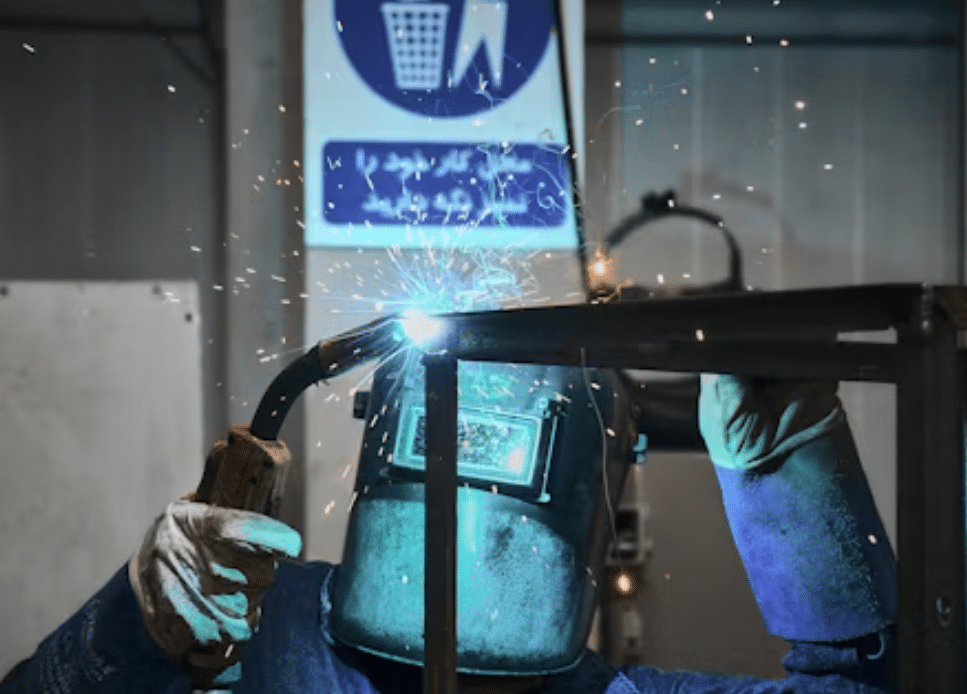
Are you looking for practical guidance on Safety Regulations in Welding? The short answer is simple: good welding safety rules help you prevent burns, electric shock, fire, and fume exposure before they injure someone or shut down your job. In this guide, we’ll walk you through the emergency steps, PPE checks, and work-area controls that […]
Welding for the Marine Industry: Key Techniques, Materials, and Industry Trends
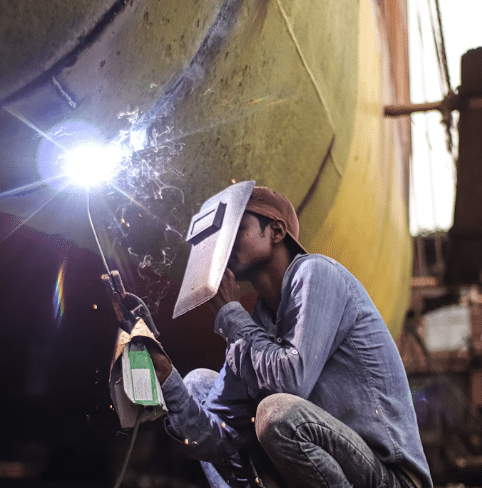
Welding for the marine industry demands more than basic welding skills. You need the right process, the right material, and tight safety control if you want welds that can handle saltwater, heavy loads, and constant vibration. In this guide, we’ll walk you through the main marine welding techniques, the materials most shipyards and offshore projects […]
Cold Welding vs Welding in Cold Weather: A Beginner-Friendly Guide
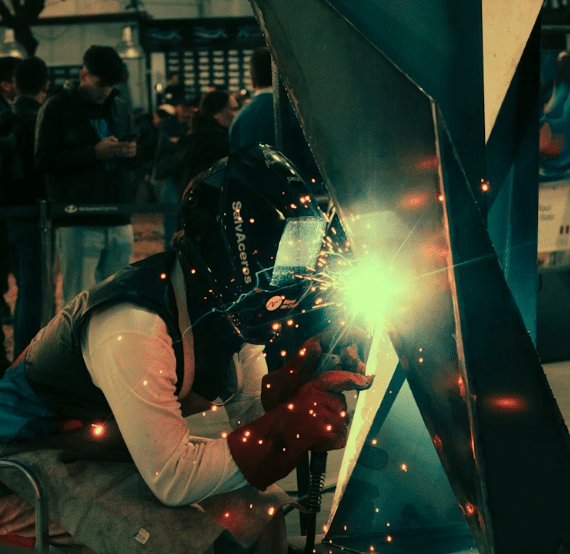
Cold welding and welding in cold weather are often confused, but they solve very different problems. Cold welding uses pressure without heat, while cold-weather welding relies on heat but introduces risks like cracking and moisture. In this guide, we’ll help you avoid confusion by explaining the key differences and offering practical tips for welding in […]
Cryogenic Welding: How to Weld Metals for Low-Temperature Service?
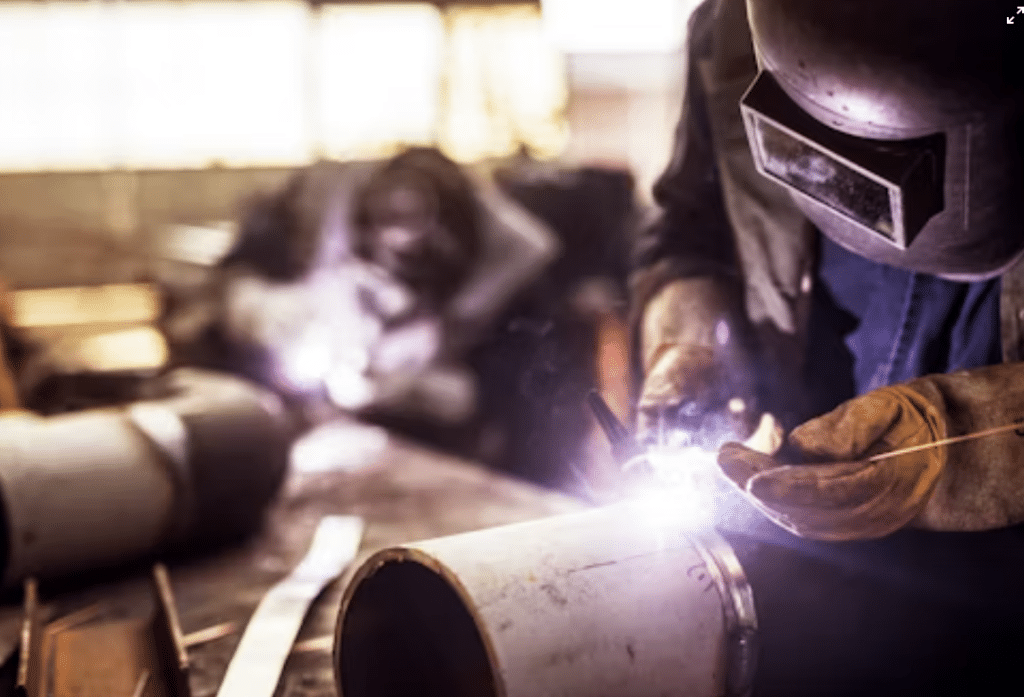
Cryogenic welding needs tighter control than standard welding because low-temperature toughness matters more than room-temperature strength. In LNG tanks, pipelines, and other cold-service systems, a small weld defect can turn into a crack much faster than many teams expect. In this guide, we’ll show you which metals are commonly used, when TIG or MIG makes […]
Welding Heat-Resistant Alloys: Challenges and Best Practices
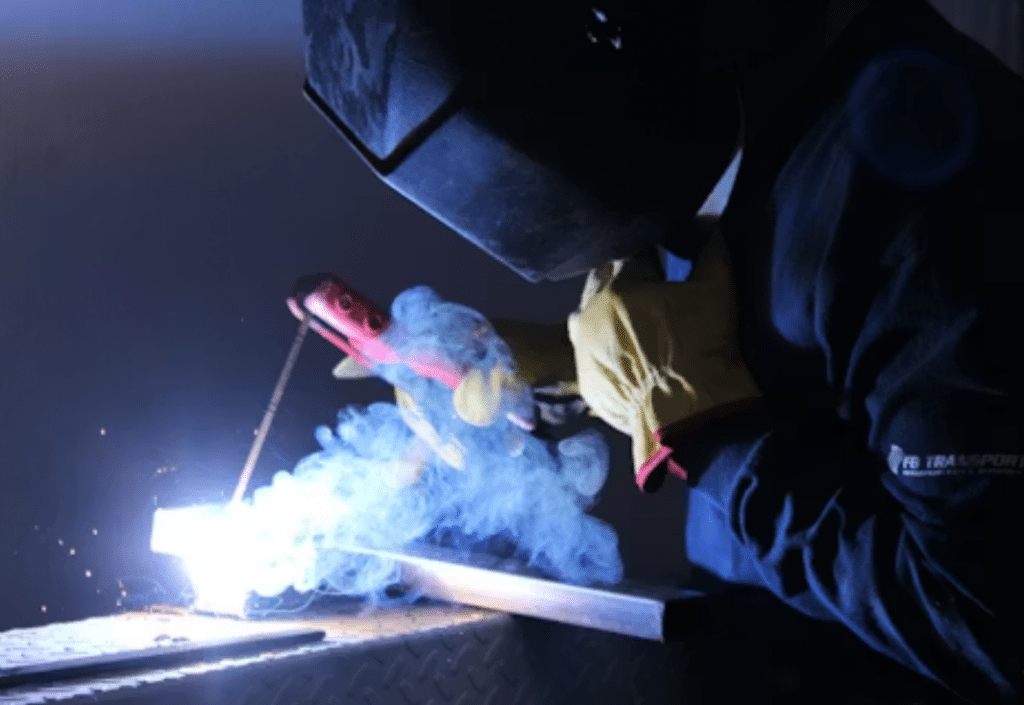
Welding heat-resistant alloys is harder than welding standard steel because small mistakes can turn into early service failures. If the joint is dirty, the filler is wrong, or heat control slips, a weld that looks acceptable at first may not last long in high-temperature service. In this guide, we’ll show you where these welds usually […]
Welding in Extreme Environments: Safety Challenges, Equipment, and Best Practices
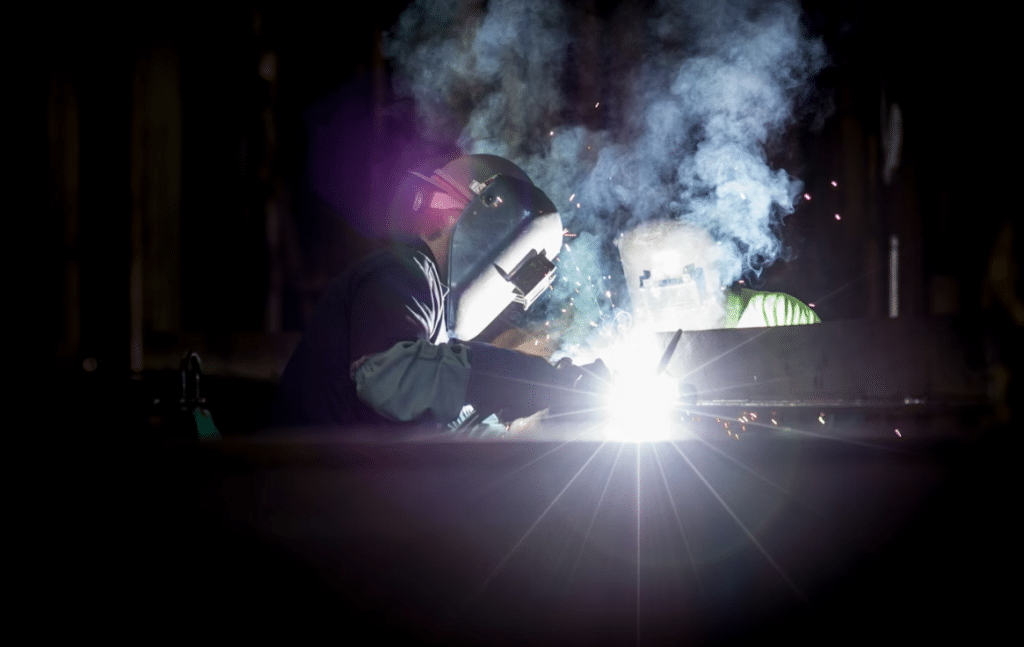
Welding in Extreme Environments gets harder the moment weather, moisture, poor footing, salt, dust, or tight access start affecting control. In real job-site conditions, those factors do more than make the work uncomfortable. They can disrupt shielding gas, raise shock and fire risk, damage equipment, and lead to weak welds before you catch the problem. […]
Outdoor Welding Safety: Risks, PPE, and Weather Protection Tips
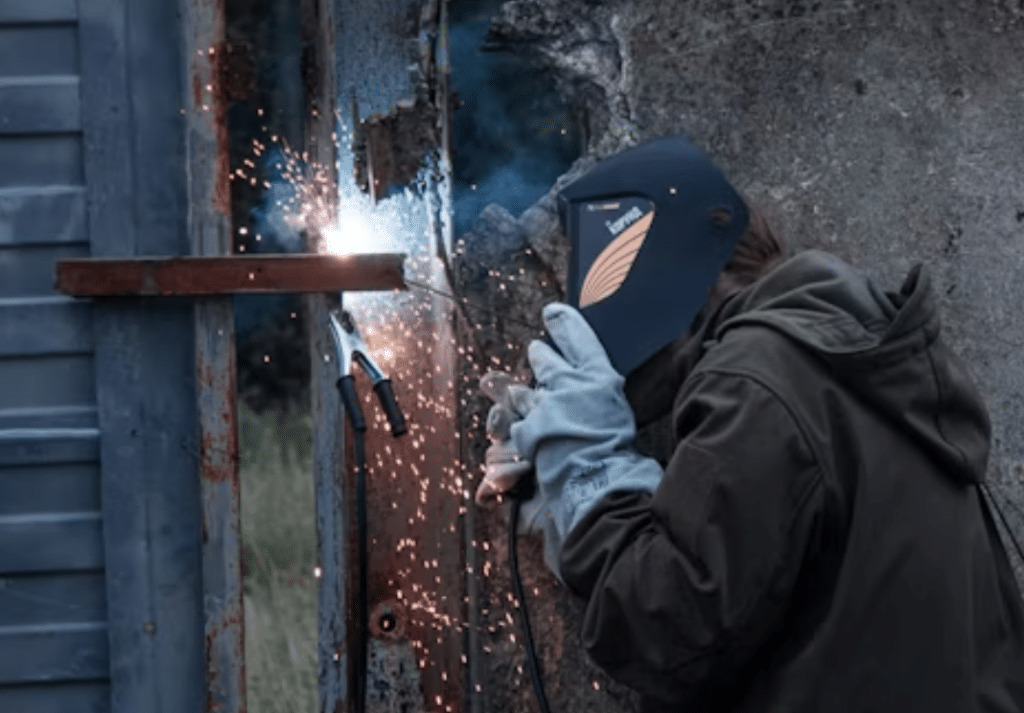
Outdoor welding safety starts with control. Once wind, wet ground, poor footing, and changing light get involved, a routine weld can turn risky fast. If you weld outside often, you’ve probably seen how quickly a simple setup can become harder to manage than it first appears. In this guide, we’ll walk through the biggest outdoor […]
SMAW vs Other Welding Processes: When Should You Use Stick Welding?
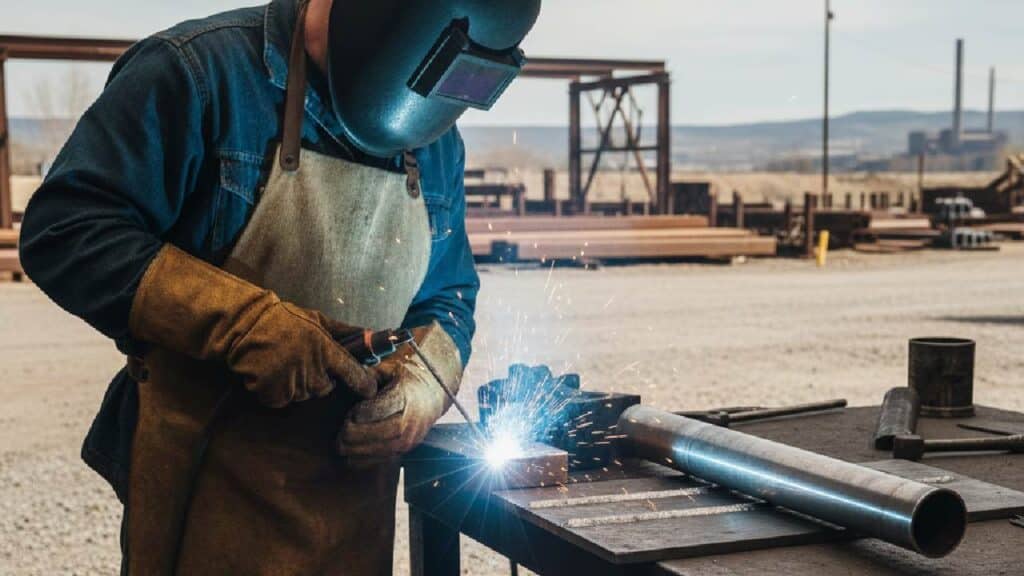
Stick welding (SMAW) is the right choice when you need strong welds in tough conditions—wind, dirt, rust, and remote job sites. It’s not the fastest or cleanest-looking process, but it keeps working when shielding gas fails. In this guide, we’ll compare SMAW with MIG, TIG, and FCAW. You’ll see the real differences in speed, cost, […]
MIG Welding Settings Chart: Voltage, Wire Speed & Gas Guide
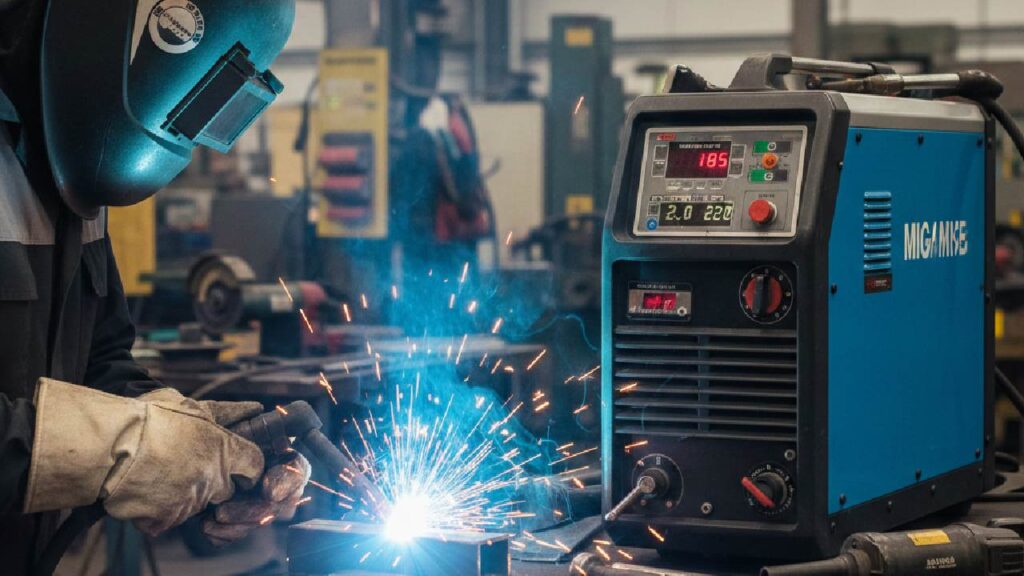
The best MIG welding settings match voltage, wire feed speed, and shielding gas to your metal thickness and wire diameter. For mild steel using 75/25 Argon-CO₂, thin metal (1–2 mm) typically runs at 15–17 volts and 90–150 IPM. Thicker sections (3–6 mm) require 17–21 volts with higher wire speed. If your machine is set correctly, […]