Blog

Heavy-Duty Welding Equipment
Blog

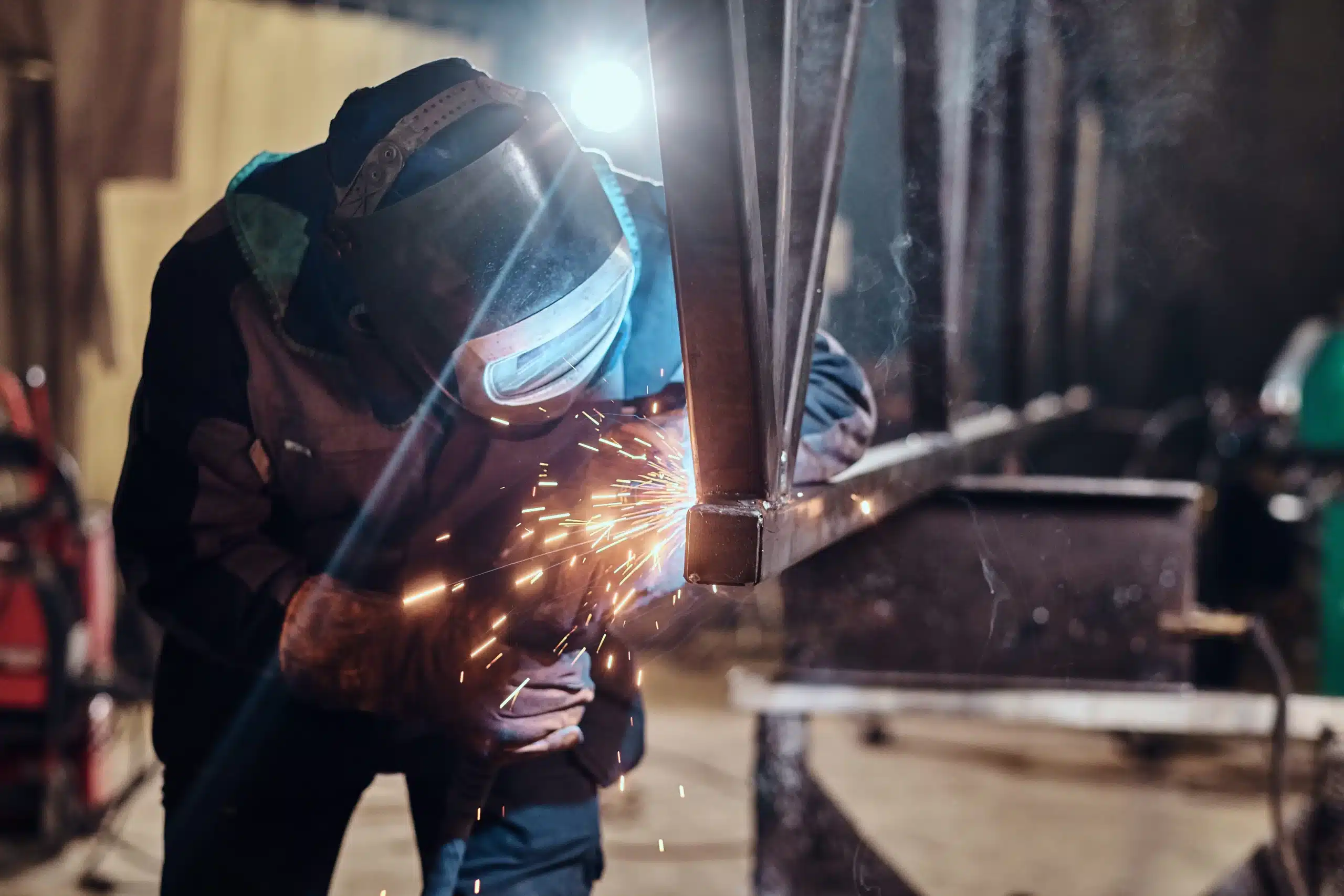
What to Know Before Buying Heavy-Duty Welding Equipment

A large welding machine is built for serious work. It handles thick metal, long welds, and high heat without constant shutdowns.If your jobs involve structural steel, fabrication lines, or heavy repairs, a small welder will slow you down fast. This guide focuses on one thing: helping you decide whether you

Read More »
Easiest Welding to Learn
Blog

Easiest Welding to Learn: What Type of Welding Is Best for Beginners?

MIG welding is the easiest type of welding to learn, with flux-core welding a close second. Both processes give beginners a stable arc, simple setup, and fast progress without constant frustration. If you’ve ever watched welding videos and thought, “There’s no way I can do that,” you’re not alone. Welding

Read More »
Understand the best starter welder and best welder for beginners. Get clear tips on power, processes, features, and what to look for in your first welding machine.
Blog

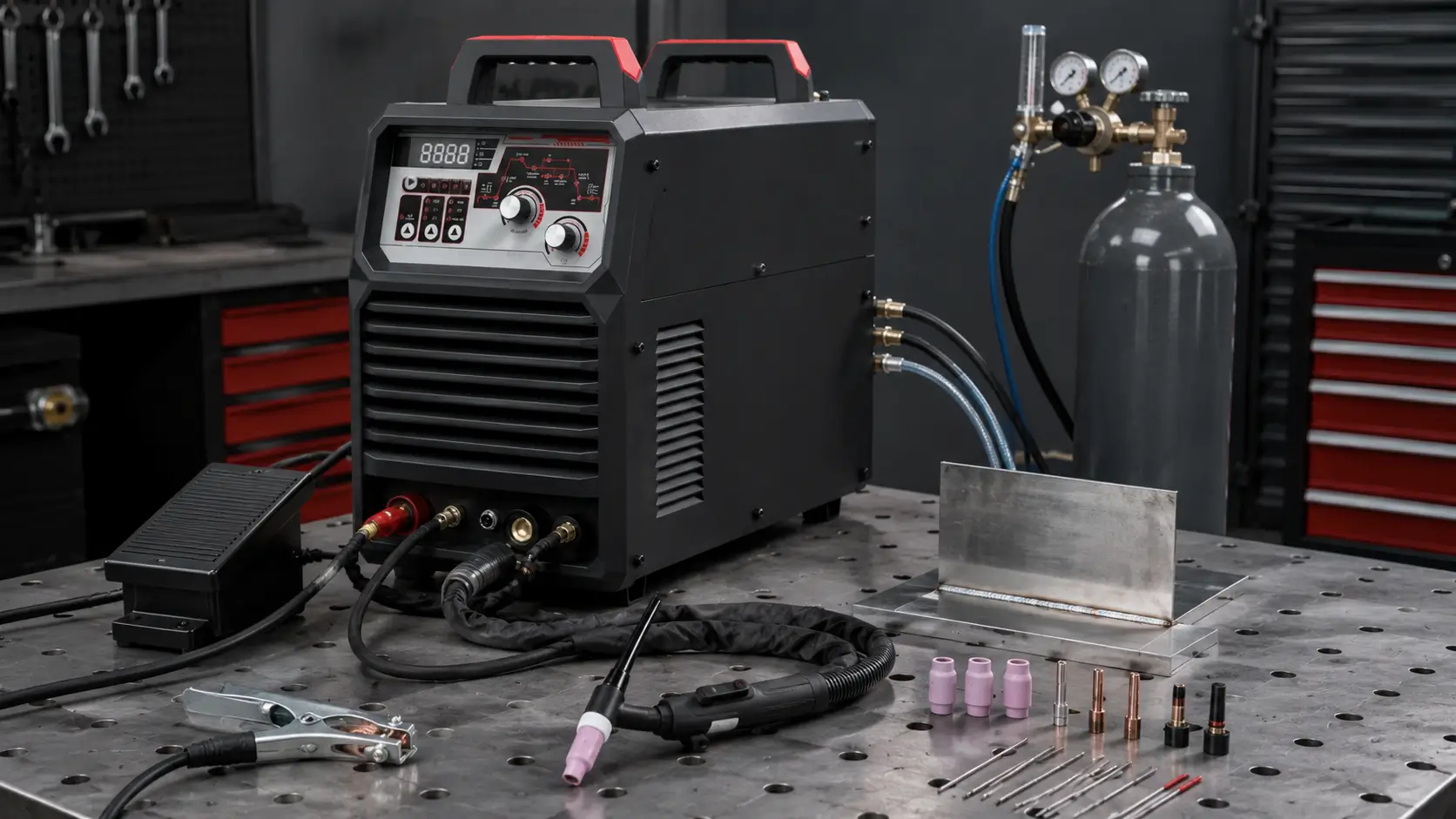
Best Beginner Welding Machines: What to Learn and Buy

Starting welding is exciting—until every machine claims it’s “perfect for beginners.” If you want the easiest learning curve, most beginners should start with a compact MIG or MIG/flux-core welder that runs on a standard 110–120V outlet. These machines give you stable arcs, simple controls, and enough power for real projects

Read More »
Know how to choose the best 110V welding machine for home use. Compare power, duty cycle, materials, and features to avoid common beginner mistakes.
Blog

Best 110V Welding Machine: How to Choose the Best for Home Use?

A 110V welding machine lets you weld at home using a standard wall outlet—no shop rewiring, no electrician required.For DIY repairs, auto body work, and light fabrication, it’s often the most practical choice if you pick the right one. In this guide, we’ll break down what a 110V welder can

Read More »
Welding Wire Suppliers
Blog

Welding Wire Suppliers: How to Choose the Best Supplier for Your Shop

Choosing the right welding wire supplier directly affects your weld quality, productivity, and rework rate. If your wire feeds smoothly and stays consistent, your arc stays stable, penetration improves, and your welds come out clean. When wire quality drops, the problems show up fast—spatter, porosity, uneven beads, and wasted time

Read More »
Wire Feed Welding
Blog

Wire Feed Welding Tips: The Complete Guide to Better MIG Welds

Clean MIG welds depend on steady wire feed control. If your MIG welder has spatter, uneven beads, or arc stutter, the wire feed setup is usually the problem—not your skill. Wire feed welding works best when wire speed, voltage, tension, and technique stay balanced. When they do, the arc remains

Read More »
Blog

How to Choose the Right Setting for Welding Voltage?

When you start welding, one thing becomes clear fast: your welds look better and stay stronger when you choose the right setting for welding voltage. Voltage affects the arc, the puddle, and the way your bead forms on the metal. Run the voltage too high, and the bead spreads wide

Read More »
How to Weld Thin Metal Without Burning Through
Blog

How to Weld Thin Metal Without Burning Through: Expert Techniques

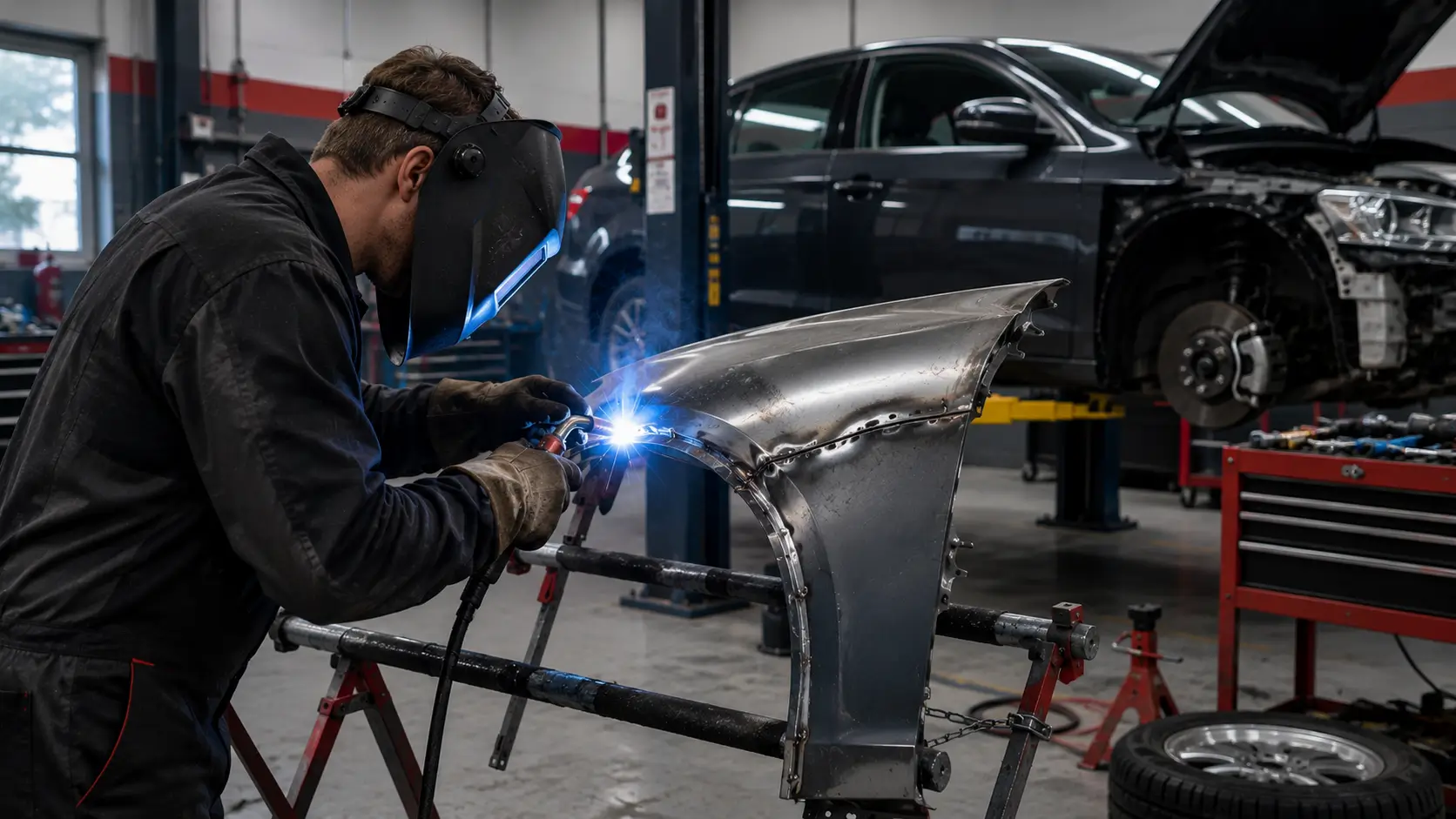
Welding thin metal burns through easily because it heats up fast and has very little mass to absorb excess heat.  The solution is simple: lower your heat, weld in short bursts, and control the puddle carefully. Whether you’re repairing automotive panels, fabricating HVAC ducting, or working with light-gauge steel, this

Read More »
Welding Sheet Metal
Blog

Welding Sheet Metal: A Professional Guide for Fabrication

Welding sheet metal is difficult because thin metal heats up fast and warps easily—but with the right technique, it’s completely manageable. In simple terms, welding sheet metal means joining thin metal panels using low heat, short welds, and careful control to avoid burn-through and distortion. This is very different from

Read More »