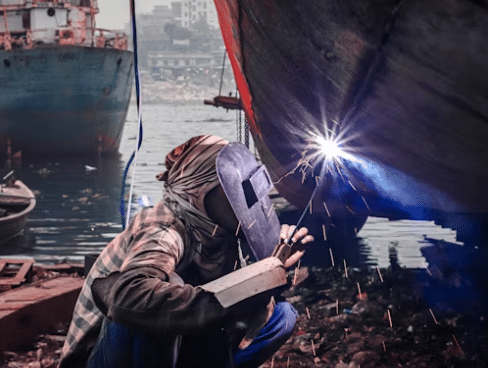
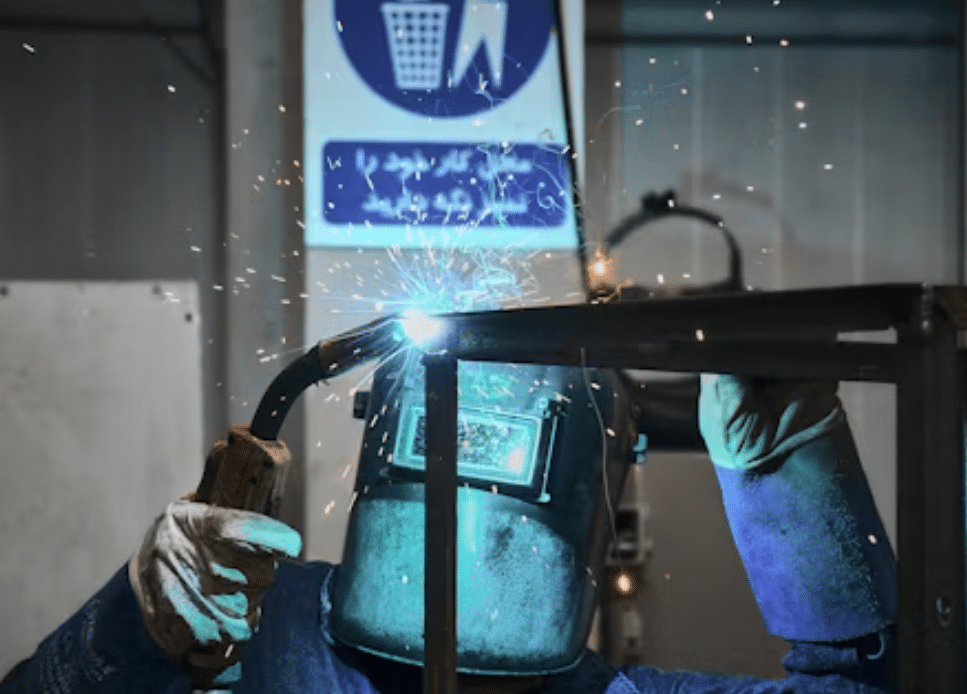
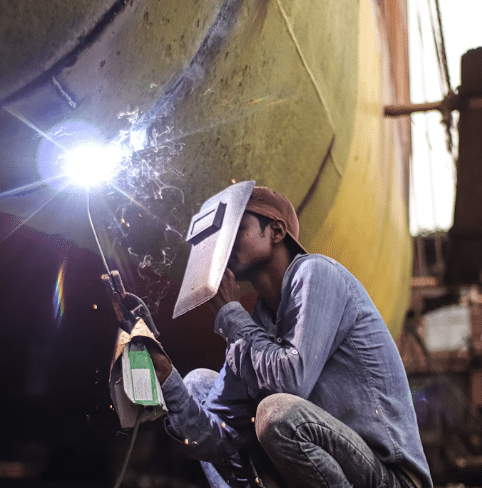
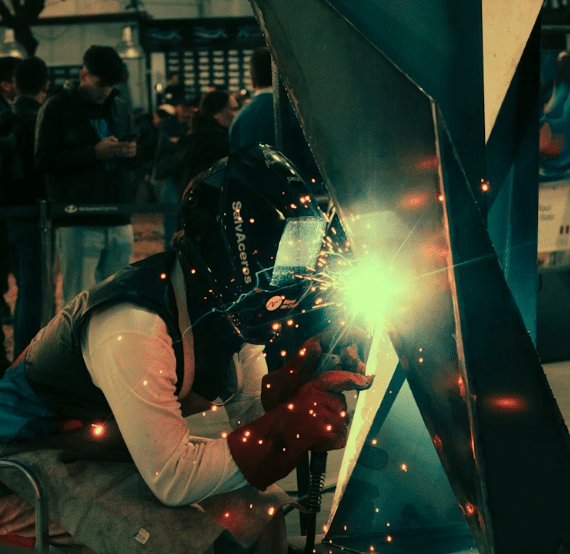
A large welding machine is built for serious work. It handles thick metal, long welds, and high heat without constant shutdowns.
If your jobs involve structural steel, fabrication lines, or heavy repairs, a small welder will slow you down fast.
This guide focuses on one thing: helping you decide whether you actually need a heavy-duty welding machine—and how to buy the right one if you do.
We’ll cover real use cases, key buying factors, common mistakes, and when a large welder makes sense (and when it doesn’t).
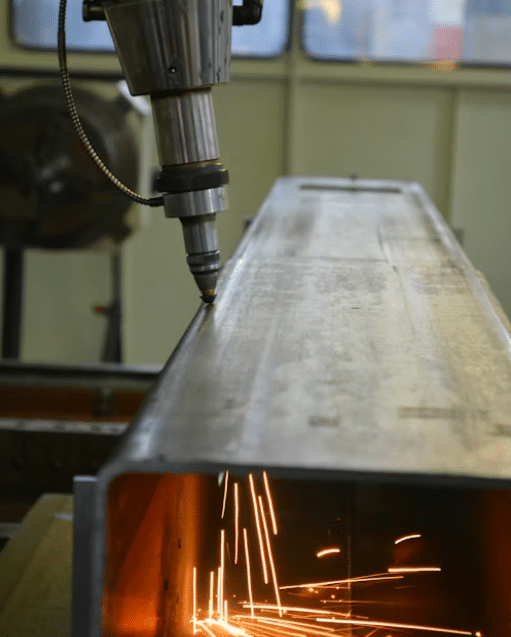
Do You Actually Need a Large Welding Machine?
You need a large welding machine if thick material, long welds, or continuous operation are part of your daily work.
In real shops, this point usually becomes obvious over time. Small or mid-size welders start overheating, penetration becomes inconsistent, and operators spend more time waiting than welding.
Large welding machines are built for situations where:
- Material thickness is no longer occasional
- Welds run long and uninterrupted
- Production schedules leave little room for cooldowns
A simple rule of thumb: if overheating, shallow penetration, or constant pauses are already limiting your output, you’ve likely outgrown a smaller machine.
How to Choose the Right Large Welding Machine for Your Work
Choosing a heavy-duty welding machine isn’t about buying the biggest unit available. It’s about matching the machine to how you actually weld.
Before looking at models, answer these questions honestly:
What Material Thickness Do You Weld Every Day?
Heavy plate, structural steel, and thick aluminum demand higher amperage and better heat control. If thin sheet metal dominates your work, a large machine adds cost without benefit.
In practice, this decision should be based on your daily workload—not occasional one-off jobs.
How Long Do You Weld Without Stopping?
Long, continuous welds require high duty cycles. Short, intermittent welds do not.
How Production-Driven Is Your Workflow?
High-volume or repetitive work favors machines built for endurance and consistency, not just peak output.
High-volume or repetitive work favors machines built for endurance and consistency, not just peak output.
If welding is part of a steady production line, small delays add up fast. Frequent cooldowns, thermal shutdowns, or inconsistent arc performance slow operators and disrupt schedules. In these environments, reliability over long shifts matters far more than headline amperage numbers.
A machine that runs all day at stable settings will outperform a more powerful unit that constantly needs breaks.
What Really Matters When Choosing a Large Welding Machine?
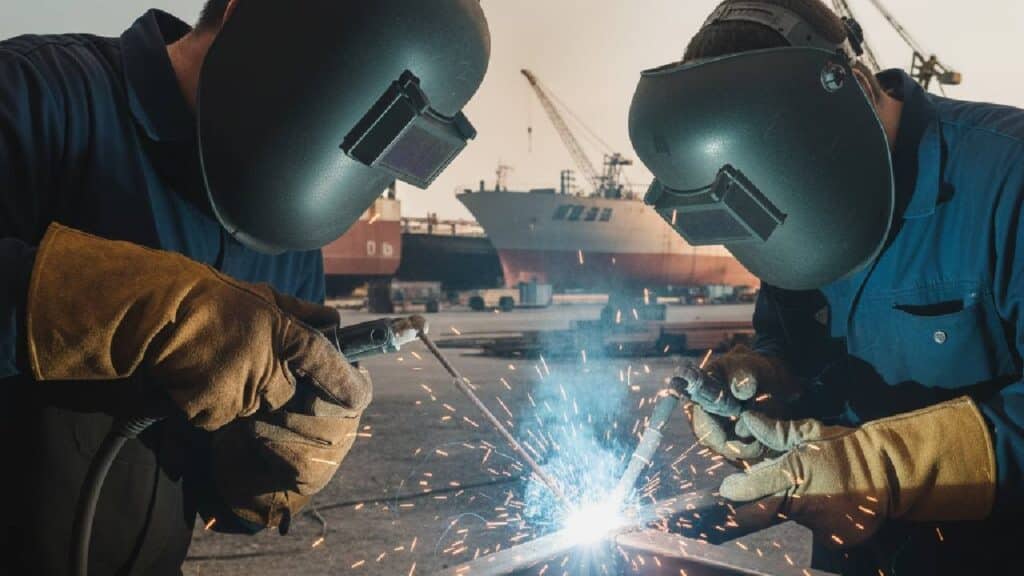
Specs matter, but only when they connect to real work. These are the factors that actually influence buying decisions.
Power and Amperage Range
Most large welding machines deliver 250 to 600 amps.
- 250–300 amps: Covers medium industrial fabrication and thicker material that smaller welders struggle with.
- 350–450 amps: Common for structural steel and heavy plate where speed and penetration matter.
- 500+ amps: Built for high-output, production environments running hard all day.
More amperage isn’t always better. Oversizing increases electrical demands, footprint, and cost without improving weld quality if you rarely use it.
Duty Cycle and Continuous Operation
Duty cycle decides whether the machine works with you—or forces you to wait.
- 60% at high amperage: Weld six minutes, cool four.
- 100% at moderate amperage: Weld continuously during normal cycles.
In fabrication shops, frequent thermal shutdowns disrupt workflow and push jobs behind schedule. If long welds are routine, duty cycle should be a priority, not an afterthought.
Power Supply and Electrical Reality
Large welding machines don’t plug in like hobby units.
Common setups include:
- 220–240V single-phase: Works for some mid-size industrial machines but limits output.
- 380V or three-phase: Standard for production welding.
- Generator-compatible systems: Used for pipelines, field repairs, and remote sites.
Installing new power infrastructure can cost more than the welder itself. Electrical capacity should guide your choice before purchase—not surprise you later.
Material Thickness and Heat Control
Large machines perform best when penetration and heat stability matter more than finesse.
They’re commonly used on:
- Carbon and structural steel plate
- Structural beams and frames
- Stainless steel tubing and plate
- Heavy aluminum plate and extrusions
For light fabrication or thin material, this level of power is unnecessary. But once thickness increases, large machines stop fighting the metal—and weld quality improves.
What Welding Processes Do Large Welding Machines Support?
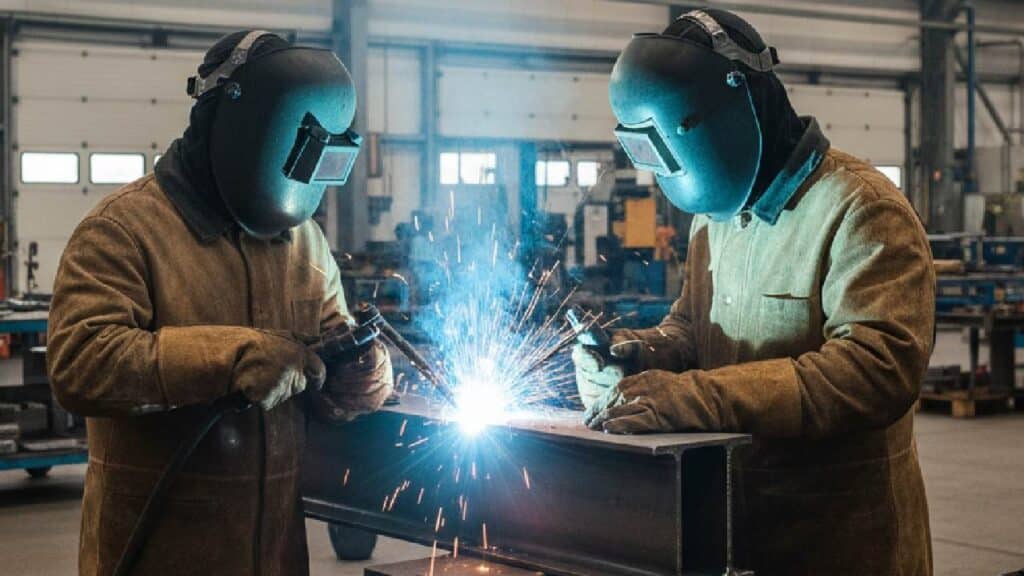
Most large welding machines support multiple processes, depending on configuration.
Common applications include:
- Heavy MIG Welding: High deposition and fast travel speeds
- Flux-Cored Welding: Structural and outdoor work
- Stick Welding: Field repairs and maintenance
- TIG Welding: Precision work on thick materials
- Submerged Arc Welding: Automated, high-production environments
Multi-process capability adds flexibility, especially in mixed fabrication shops.
How a Large Welding Machine Affects Productivity
Large welding machines increase productivity by reducing downtime and stabilizing weld quality.
In practice, this means:
- Faster travel speeds
- Fewer cooling breaks
- Consistent penetration
- Less rework and repair
When machines run all day without interruption, output rises naturally. In production environments, that consistency matters more than peak specs.
Common Mistakes Buyers Make with Large Welding Machines
Most buying mistakes have nothing to do with weld quality—they come from planning gaps.
Common issues include:
- Ignoring electrical requirements
- Underestimating duty cycle needs
- Buying far more amperage than necessary
- Skipping proper ventilation and cooling
- Not accounting for floor space and layout
Planning these details early prevents expensive upgrades and regret later.
Is a Large Welding Machine Right for You?
Large welding machines are best suited for:
- Structural fabrication shops
- Manufacturing plants
- Heavy equipment repair facilities
- Shipyards and trailer fabrication shops
They are usually unnecessary if you:
- Weld thin material only
- Work intermittently
- Lacks an adequate power supply
- Have limited shop space
In those cases, a smaller industrial welder often performs better with fewer tradeoffs.
Maintenance and Long-Term Ownership Considerations
Heavy-duty machines stay reliable only with routine care.
Basic maintenance includes:
- Cleaning cooling vents
- Inspecting cables and connectors
- Checking wire feeders
- Updating software on digital systems
Preventive maintenance protects uptime and extends service life under heavy load.
Conclusion: Buy for Your Work, Not the Spec Sheet
A large welding machine is built for power, endurance, and serious fabrication. It supports thick materials, long welds, and high production without constant stops.
The right choice depends on:
- What you weld
- How long do you weld
- The power your shop supports
If your work involves structural steel, heavy plate, or continuous welding, a large welding machine improves consistency and productivity.
If you want help narrowing options or comparing machines for your specific setup, start with how thick you weld and how often—and choose from there.
FAQs about Heavy-Duty Welding Equipment
The golden rule in welding is to always maintain proper heat control and joint preparation. Clean material, correct settings, and consistent technique matter more than raw power. Even the best machine can’t fix poor prep or rushed welds.
These refer to welding positions used in training and certification:
–1G: Flat position
–2G: Horizontal
–3G: Vertical
–4G: Overhead
–5G: Pipe welded horizontally, no rotation
–6G: Pipe welded at a 45° angle, no rotation (most difficult)
The highest-paying welding jobs usually involve specialized or high-risk work, such as pipeline welding, underwater welding, industrial shutdowns, and aerospace welding. Pay depends more on skill, certification, and job conditions than on the welding process itself.
A “good” welder depends on the work:
–140–200 amps: Light fabrication and maintenance
–250–350 amps: Structural steel and industrial work
–400+ amps: Heavy plate and production welding
More amps only help if your material thickness and duty cycle demand it.
Welding is worth it if you enjoy hands-on work, problem-solving, and building tangible results. Skilled welders with the right certifications often have strong job security, especially in construction, energy, and manufacturing. The trade rewards skill and experience more than formal degrees.