Cold welding and welding in cold weather are often confused, but they solve very different problems. Cold welding uses pressure without heat, while cold-weather welding relies on heat but introduces risks like cracking and moisture.
In this guide, we’ll help you avoid confusion by explaining the key differences and offering practical tips for welding in cold conditions.
Are Cold Welding and Welding in Cold Weather the Same Thing?
No, cold welding and welding in cold weather are completely different processes, even though their names sound similar.
What is cold welding?
Cold welding is a process where two metals join together using pressure instead of heat. According to TWI on their page “What is Cold Welding?”, the bond forms when clean metal surfaces come into direct contact and their atoms connect.
There is no melting, no arc, and no filler metal. The metals simply join when enough pressure is applied. This process happens in controlled environments like factories. You will not use it in normal repair or construction work.
What does welding in cold weather mean?
Welding in cold weather means you are using normal welding processes like MIG welder, TIG welder, or stick welder, but the surrounding temperature is low.
The base metal starts cold, and the air pulls heat away from the weld. This changes how the weld forms and increases the chance of problems.
Why do beginners confuse these two terms?
Beginners often confuse cold welding and welding in cold weather because both involve the word “cold.” Here’s the simple breakdown:
- Cold Welding Uses No Heat: The bond is formed through pressure alone, with no melting involved.
- Welding in Cold Weather Uses Heat: MIG, TIG, and stick welding still rely on heat, even when the temperature is low.
- Cold Metal Transfer Isn’t Cold Welding: Cold metal transfer still uses an arc, making it a form of arc welding, not pressure-based cold welding.
How Does Cold Welding Actually Work?
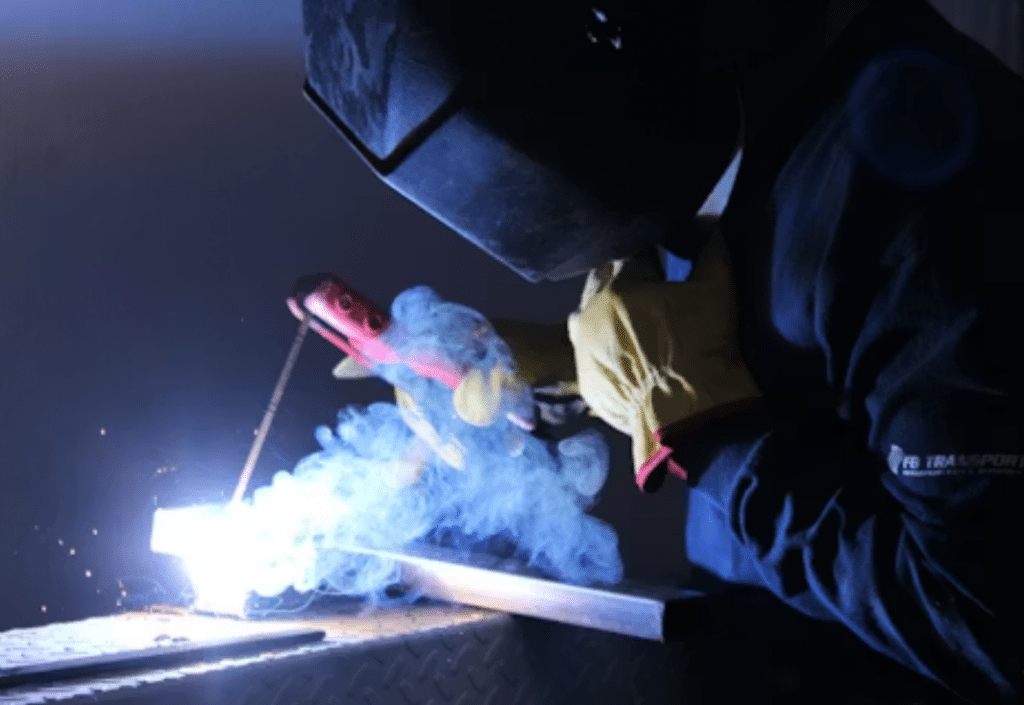
Cold welding works by pressing clean metal surfaces together, causing their atoms to bond without heat.
- Pressure Without Melting: Cold welding uses high pressure to join clean, smooth metal surfaces. When the pressure is applied, the atoms bond directly, creating a solid connection. There’s no molten pool, no sparks, and no heat source involved.
- Clean Surfaces Are Crucial: Even the smallest amount of contamination, like oil or oxidation, will block bonding. This is why industries clean surfaces using wire brushing, chemical cleaning, or vacuum systems before applying pressure.
What metals are more suitable for cold welding
Cold welding works best with soft and ductile metals because they deform easily under pressure.
Common examples include:
- Copper: Used in electrical wires and connectors
- Aluminum: Used in cables and aerospace parts
- Gold and Silver: Used in electronics
Hard metals like carbon steel resist deformation, so they are difficult to cold weld.
Where cold welding is commonly used
Cold welding is used in controlled and precise environments.
You will find it in:
- Electrical wire joining
- Aerospace systems
- Microelectronics
It is not used in outdoor welding jobs or general fabrication work.
What Happens When You Weld in Cold Weather?

Welding in cold weather becomes harder because metal cools faster, and the risk of moisture increases.
Why do low temperatures make welding more difficult
Low temperatures make welding harder because the base metal absorbs heat quickly. This reduces weld pool temperature and makes it harder to achieve proper fusion.
How does faster cooling affect weld quality?
Faster cooling makes welds brittle. When the weld cools too quickly, it becomes harder but less flexible. This increases the risk of cracking, especially in thick steel sections.
Why are moisture and hydrogen becoming bigger risks
Cold weather often brings moisture, which introduces hydrogen into the weld. This can cause delayed cracking hours after the weld is complete.
- How Cold Affects Equipment: Cold temperatures can affect your welding equipment in several ways. Cables become stiff and harder to move, gas flow can become unstable, and electrodes and wires can absorb moisture. Machines may also take longer to start or operate smoothly.
- Prepare Your Equipment: Failure to properly prepare your equipment in cold conditions will lower weld quality and performance.
Cold Welding vs Welding in Cold Weather: What Are the Main Differences?
Cold welding and welding in cold weather differ significantly in terms of heat use, equipment, materials, and risks. Here’s a quick comparison to highlight the differences:
| Feature | Cold Welding | Welding in Cold Weather |
| Heat Source | No heat, pressure only | Uses arc or flame heat |
| Equipment | Pressure tools, controlled systems | MIG, TIG, and stick welders |
| Work Environment | Factory or lab setting | Outdoor or jobsite conditions |
| Common Materials | Copper, aluminum, gold | Steel, stainless steel, alloys |
| Main Risk | Poor bonding due to contamination | Cracking, moisture, weak fusion |
| Real Use | Rare for field welders | Common in daily work |
This comparison shows that most welders deal with cold-weather welding, not cold welding.
Can You Do Cold Welding With a Regular MIG, TIG, or Stick Welder?
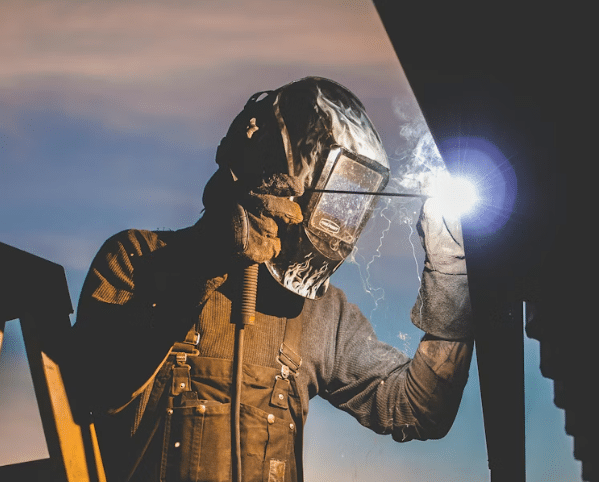
No, you cannot perform true cold welding with a regular MIG, TIG, or stick welder.
Why true cold welding is not the same as arc welding
Cold welding uses pressure only, while arc welding melts metal using heat. These processes are completely different in how they join metals.
What MIG, TIG, and Stick actually do
MIG welding, TIG, and stick welding all use heat to fuse metal.
- MIG welding feeds wire and creates a continuous arc
- TIG welding uses a tungsten electrode for precise control
- Stick welding uses coated rods for strong outdoor welds
If you are using any of these methods, you are not performing cold welding.
Why most welders are really dealing with cold-weather welding instead
Most welders work outdoors or in environments where temperature changes.
That means cold-weather welding is what you actually deal with in real jobs.
This is where reliable machines from a trusted welding equipment supplier help you maintain stable performance even in harsh conditions.
When a regular welder is still the right tool
A regular welder is the right tool for almost all real-world work. Use a MIG welder when you need fast welding on thicker materials like structural steel. Use a Tig welder when you need clean and precise welds on thinner metals like stainless steel.
What Are the Best Practices for Welding in Cold Weather?
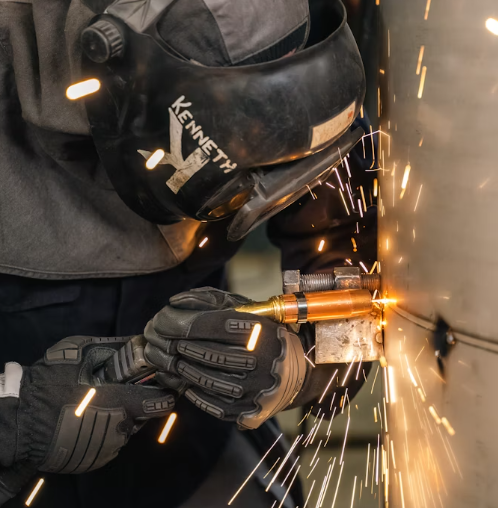
Use the following cold-weather welding practices if you want cleaner fusion and fewer cracks:
- Preheat the Base Metal: Warm thicker steel before welding so the joint does not cool too fast. In many cases, preheat falls somewhere between 50°C and 150°C, depending on the material and section thickness.
- Choose Low-Hydrogen Consumables: Use options like E7018 rods when the job calls for better crack resistance. This lowers the chance of hydrogen getting trapped in the weld.
- Keep Wire and Rods Dry: Store consumables in sealed containers or rod ovens. Once they pick up moisture, your weld quality can drop fast.
- Check Your Equipment Before You Strike an Arc: Inspect gas flow, cable flexibility, and machine performance before you start. Cold weather can make small setup problems worse.
- Slow Down a Little: Give the weld enough time to fuse properly instead of rushing the pass.
- Control the Work Area: Use welding curtains, wind barriers, or a tent to keep moisture and drafts away from the joint.
What Are the Biggest Misunderstandings About These Two Terms?
Many beginners misunderstand these terms and apply the wrong approach.
“Cold welding means welding outside in winter.”
Cold welding does not mean welding in winter. It is a pressure-based process with no heat.
“Cold welding is just another name for winter welding.”
These are two completely different processes with different tools and results.
“A regular MIG or TIG welder can do true cold welding.”
Regular welders cannot perform cold welding because they rely on heat.
“Cold-weather welding only affects comfort, not weld quality.”
Cold weather directly affects weld strength, structure, and long-term performance.
Which One Matters More for Beginners?
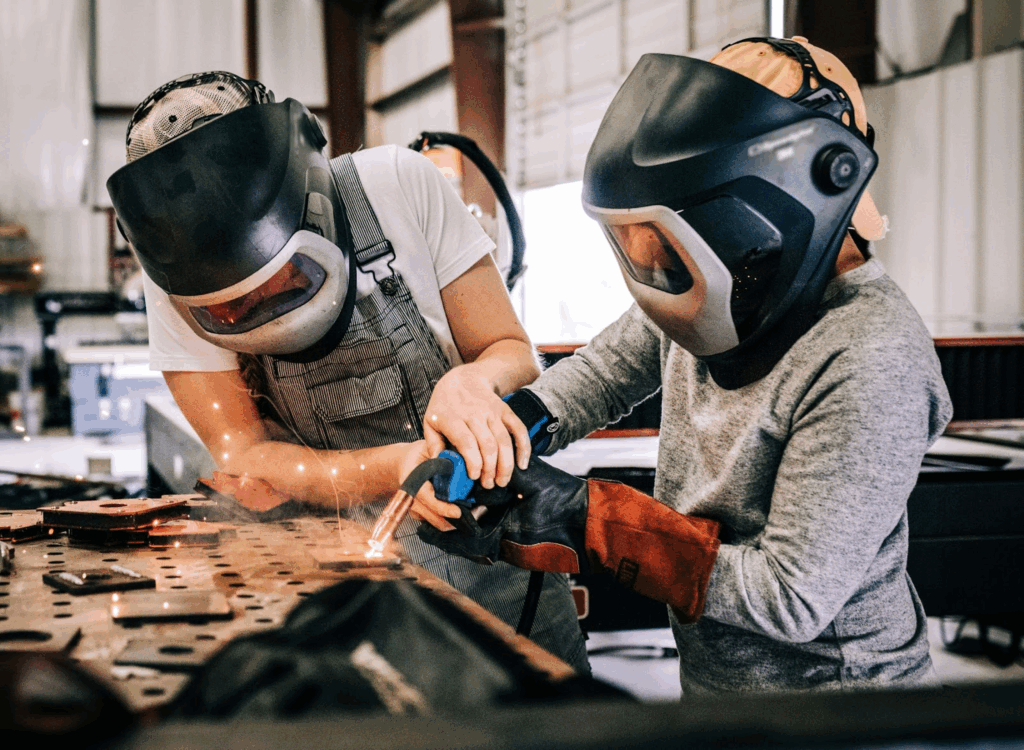
Cold-weather welding matters more for beginners because it applies to real-world jobs.
Why most beginners will never use true cold welding
Cold welding is limited to specialized industries like electronics and aerospace.
Why cold-weather welding is much more relevant in real jobs
Most welding jobs happen outdoors or in environments where temperature changes. You will likely face cold conditions during your work.
What beginners should learn first?
Focus on heat control, moisture management, and proper preparation. These skills improve weld quality and reduce defects.
Knowing the difference still helps
Understanding both terms helps you avoid confusion and choose the correct method for your work.
Conclusion
Cold welding and welding in cold weather sound similar, but they solve very different problems. Cold welding belongs to controlled industrial settings, while cold-weather welding is the issue most beginners and field welders actually face. If you want stronger welds in winter conditions, focus on preheat, dry consumables, and steady technique before you worry about anything else.
Your next step: Check your machine setup, review your consumables, and make sure your welding process fits the temperature you’re working in. Start welding with confidence!
Frequently Asked Questions
No, cold welding uses pressure without heat, while welding in winter still uses heat in cold conditions, which impacts weld quality.
No, MIG and TIG welders use heat to melt metal, so they cannot perform true cold welding, which relies solely on pressure.
Cold weather causes metal to cool faster, introduces moisture risks, and makes equipment harder to handle, all of which complicate welding.
Not always, but thicker and high-strength materials often require preheating to prevent cracking and improve fusion in cold conditions.
Cold welding works best with soft, ductile metals like copper, aluminum, and gold, which bond easily under pressure without heat.