Cryogenic welding needs tighter control than standard welding because low-temperature toughness matters more than room-temperature strength. In LNG tanks, pipelines, and other cold-service systems, a small weld defect can turn into a crack much faster than many teams expect.
In this guide, we’ll show you which metals are commonly used, when TIG or MIG makes more sense, and what welding practices help you build more reliable cryogenic-service welds.
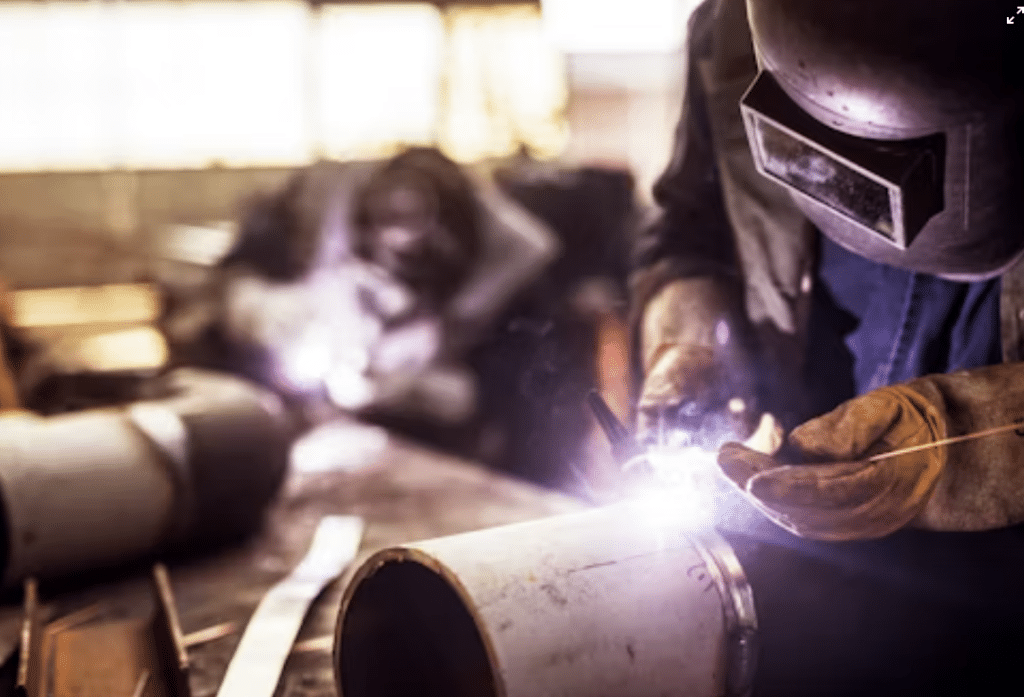
What Does “Cryogenic Service” Mean in Welding?
Cryogenic service refers to welding parts that will operate at very low temperatures, typically below -50°C and sometimes as low as -196°C (such as liquid nitrogen). The critical challenge is not only strength but ensuring that the weld and heat-affected zone (HAZ) remain tough enough to withstand cracking under cold conditions.
What temperature range counts as cryogenic?
In welding, cryogenic service usually starts below -50°C. Some applications go much lower, especially in liquid gas storage and transport systems. LNG, liquid nitrogen, and similar media can push service temperatures into a range where metal behavior changes fast.
Where are cryogenic-service welds used?
You’ll usually see cryogenic welds in systems that store, move, or contain liquefied gases, such as:
- LNG storage tanks
- Pressure vessels
- Transfer pipelines
- Offshore gas systems
- Low-temperature processing equipment
Why do low temperatures change weld behavior?
Very low temperatures reduce ductility and make brittle fracture more likely. In simple terms, the metal loses some of its ability to bend or absorb stress before it breaks. A weld that looks acceptable at room temperature can fail much faster in cold service if its toughness is not high enough.
Why toughness matters more than simple strength
For cryogenic applications, toughness matters more than basic room-temperature strength because brittle welds can crack without much warning. That is why cryogenic welding procedures focus so heavily on filler choice, heat control, and impact performance, not just tensile strength on paper.
Which Metals Are Commonly Used in Cryogenic Service?
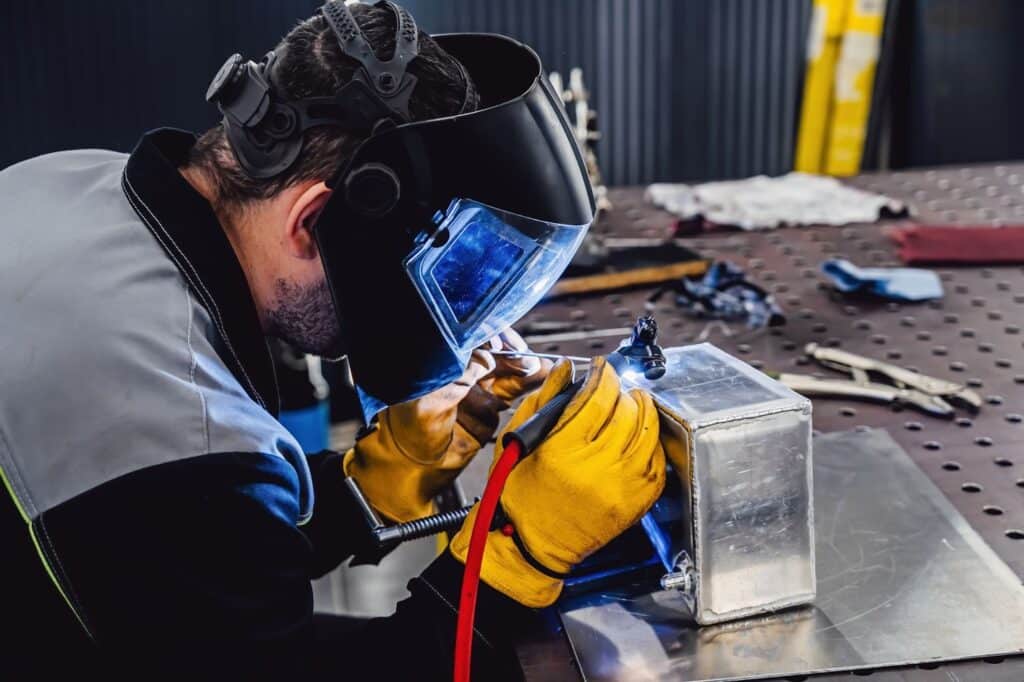
The metals most commonly used in cryogenic service include austenitic stainless steels, nickel steels, and specific aluminum alloys. These materials maintain toughness and strength at extremely low temperatures, unlike ordinary carbon steel, which tends to become brittle.
Austenitic stainless steels such as 304L and 316L
304L and 316L are common choices for cryogenic systems because they stay ductile at very low temperatures and are relatively familiar to many fabrication teams. You’ll often see them in LNG piping, storage systems, and process equipment where corrosion resistance also matters.
9% nickel steel and other low-temperature nickel steels
9% nickel steel is widely used in large LNG tanks and other heavy-duty cold-service structures. It combines high strength with low-temperature toughness, but only when the welding procedure is tightly controlled. This is one of those materials where filler choice, heat input, and qualification testing matter a lot.
Aluminum alloys such as 5083 and 5086
5083 and 5086 are common cryogenic aluminum alloys because they keep good mechanical performance in cold environments and also offer strong corrosion resistance. They are often used when weight, corrosion exposure, or fabrication needs make aluminum a better fit than steel.
Why ordinary carbon steel is usually a weaker choice
Ordinary carbon steel usually loses toughness too quickly at low temperatures, which makes brittle fracture a bigger risk. That is why it is often avoided in true cryogenic service unless the design, alloy selection, and testing requirements say otherwise.
Quick material takeaway
If you need a simple starting point, use this rule:
- Stainless steel works well when you need ductility and corrosion resistance
- 9% nickel steel makes sense for demanding LNG tank work
- Aluminum alloys fit cryogenic service when weight and corrosion matter
- Carbon steel is usually the wrong place to start for very low-temperature applications
Why Is Welding for Cryogenic Service More Demanding?
Cryogenic welding is more demanding because small defects, wrong fillers, or poor heat control can lead to failure at low temperatures.
Small weld defects become more dangerous at low temperatures
Tiny cracks or porosity that seem minor at room temperature can grow quickly in cold conditions.
Filler metal choice affects low-temperature toughness
Filler metal must match or exceed the base metal’s toughness. According to Elga Welding, weld metal often controls the final toughness of the joint.
Heat input can change weld metal and HAZ performance
Too much heat can weaken the heat-affected zone (HAZ). For example, TWI notes that interpass temperature should be controlled for nickel steels.
Ferrite, inclusions, and contamination can reduce toughness
Impurities like sulfur, oxygen, or slag inclusions reduce impact strength.
Cleanliness matters more than many welders expect
Clean surfaces improve weld quality. Dirt, oil, or moisture can introduce hydrogen and cause cracking.
Is TIG or MIG Better for Metals Used in Cryogenic Service?
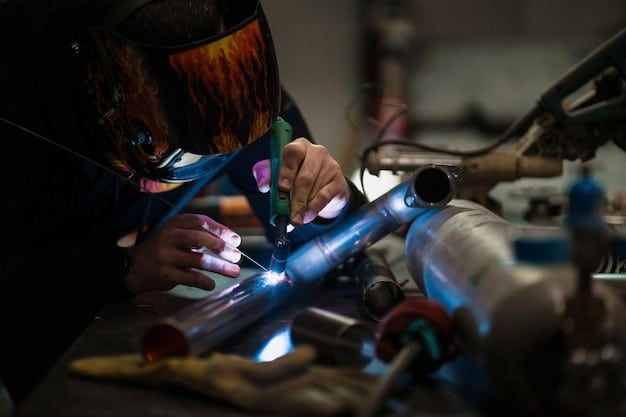
TIG is typically better for precise control, clean root passes, and high-quality welds on thinner materials. MIG is more suitable when working with thicker sections, longer welds, and requiring faster production speeds.
When TIG is the better choice
TIG welding is a strong choice for cryogenic welding when you need:
- Clean root passes
- Better arc control on thin material
- Precise puddle control on stainless steel
- Lower risk of weld contamination in critical joints
This is why TIG is often preferred for thinner sections, pipe roots, and jobs where weld cleanliness matters as much as strength.
When MIG can improve productivity
MIG welder becomes more attractive when you are welding thicker material or longer seams and need better deposition rates. In production work, a well-set-up MIG process can help you move faster without giving up control, as long as the procedure is qualified for the material and service temperature.
Can stick welding still be used?
Yes, but usually in a narrower range of situations. Stick welding can still work for repair jobs or field conditions where a TIG or MIG setup is less practical. The key point is that the electrode has to meet low-temperature toughness requirements. If it does not, the convenience is not worth the risk.
What should guide your process choice?
In practice, process selection should come down to four things:
- Material type
- Section thickness
- Joint design
- Required weld quality and qualification level
As a quick example, thin stainless steel often favors TIG for root quality and control, while thicker nickel-steel work may lean toward MIG or a multi-process setup to balance quality and productivity.
How Do You Choose the Right Filler Metal?
Choose filler metal based on service temperature and required toughness, not just base metal matching. In cryogenic service, the filler often determines whether the weld will pass or fail under low-temperature conditions.
Why filler selection should start with service temperature
Start with the lowest operating temperature. If the weld cannot maintain toughness at that temperature, failure can occur even if the weld looks acceptable during inspection.
Matching fillers vs nickel-based fillers
Matching fillers work well for many stainless steels, while nickel-based fillers are often used to improve toughness in more demanding cryogenic conditions, especially where impact performance is critical.
Why low-temperature toughness matters more than convenience
Choosing filler based on convenience often leads to poor results. In cryogenic applications, always select fillers that meet low-temperature impact requirements, not just ones that are easy to use.
What can go wrong with the wrong filler metal?
Using the wrong filler can lead to brittle welds, cracking, and early failure, especially when the weld is exposed to sudden temperature drops or impact loading.
What Welding Practices Help Protect Weld Quality in Cryogenic Service?
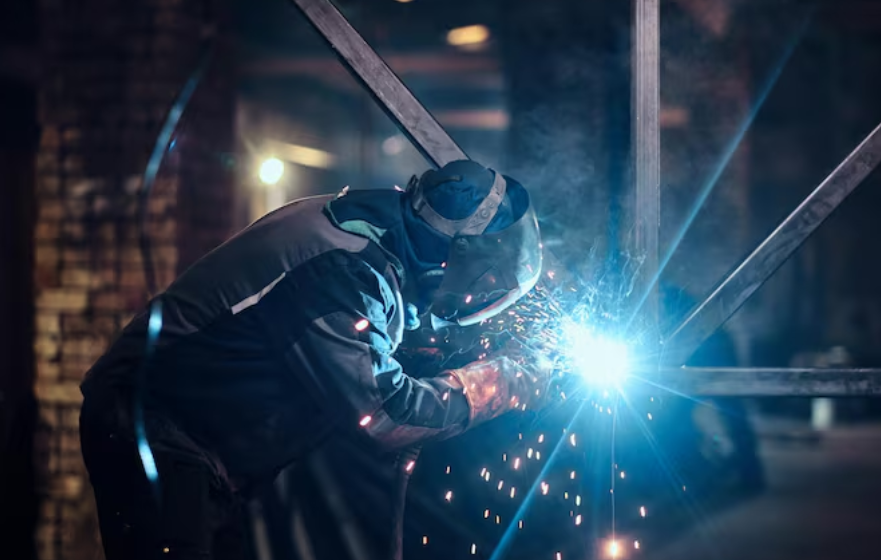
To ensure weld quality in cryogenic service, follow strict practices including thorough cleaning, precise heat control, stable shielding, and continuous inspection. In low-temperature applications, even small mistakes can cause welds to fail under stress.
Clean the joint thoroughly before welding
Clean joints remove oil, rust, and moisture that can weaken weld quality. Use proper solvents and clean tools so contaminants do not become defect points once the weld is exposed to low temperatures.
Control heat input and interpass temperature
Keep the heat input stable throughout the weld. For example, nickel steels often require interpass temperatures below 150°C because excessive heat can reduce toughness in the weld metal and heat-affected zone.
Avoid contamination from tools, gloves, and consumables
Use clean gloves and dedicated tools to avoid introducing impurities into the joint area. In cryogenic welding, even minor contamination can reduce impact performance and make cracking more likely.
Maintain stable shielding and consistent technique
Stable shielding gas protects the weld pool from oxidation and helps reduce defects such as porosity. Consistent technique also matters because uneven travel speed or arc control can change weld quality from pass to pass.
Inspect the weld for defects that matter in cold service
Inspect for cracks, porosity, and inclusions using both visual inspection and non-destructive testing. In cryogenic service, defects that seem minor at room temperature can become much more serious once the weld is exposed to extreme cold.
Cryogenic Welding Risk Table
Cryogenic welding risks increase as service temperature drops, so defects, heat input, filler selection, and cleanliness all need to be controlled carefully.
| Risk Factor | What Happens | How to Control It |
| Low Temperature Brittleness | Metal becomes brittle and cracks under stress | Use tough materials such as 304L or 9% Ni that maintain strength at low temperatures |
| Wrong Filler Metal | Weld loses low-temperature impact resistance | Always select fillers rated for cryogenic service, matching the material’s requirements |
| High Heat Input | Weakens the heat-affected zone (HAZ), leading to brittleness | Keep heat input controlled and consistent, especially in nickel-based alloys |
| Contamination | Causes porosity, inclusions, and potential cracking | Clean surfaces thoroughly using proper solvents and use clean tools to avoid impurities |
| Poor Shielding | Leads to oxidation, porosity, and other defects | Maintain steady gas flow and stable welding technique to protect the weld pool from contamination |
What Tests and Qualifications Matter for Cryogenic-Service Welds?
Cryogenic welds require thorough procedure qualification, impact testing to ensure toughness at low temperatures, and compliance with relevant project codes and industry standards.
Why procedure qualification matters in cryogenic work
Procedure Qualification Records (PQR) confirm that welds meet performance requirements.
When impact testing may be required
Impact testing is required for many cryogenic applications to confirm toughness at low temperatures.
Why room-temperature strength alone is not enough
Room-temperature strength does not reflect performance in extreme cold.
How project requirements and codes affect welding decisions
Codes define filler selection, testing methods, and acceptance criteria.
What Are the Most Common Mistakes When Welding Metals for Cryogenic Applications?
Common mistakes include wrong filler selection, poor heat control, and ignoring cleanliness.
Choosing filler metal by habit instead of performance
Using familiar fillers instead of tested ones leads to weak welds.
Assuming room-temperature strength is enough
This assumption causes failure in cold environments.
Using too much heat
Excess heat reduces toughness and damages the weld zone.
Ignoring contamination and purge risks
Poor shielding or contamination leads to defects.
Treating all cryogenic-service metals the same way
Different metals require different procedures and fillers.
Can a Standard Shop Welder Be Used for Cryogenic-Service Metals?
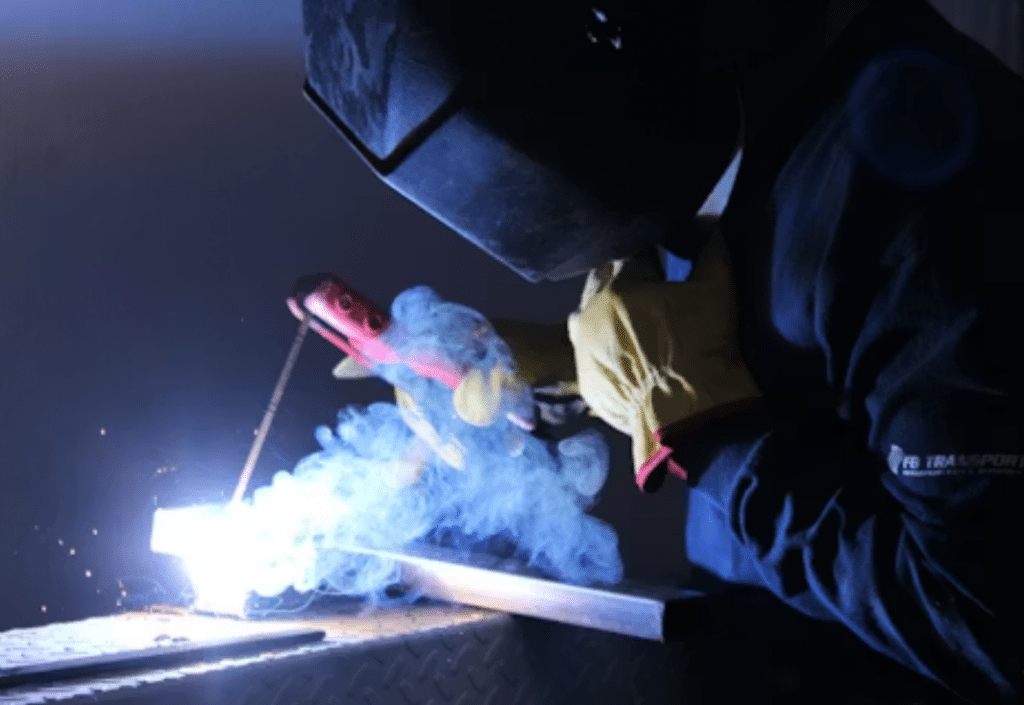
A standard welder can be used if it provides stable arc control and supports the right process and consumables.
What the machine can do vs what the application requires
The machine must deliver consistent output and support TIG, MIG, or stick processes.
Why arc stability and control matter
Stable arcs produce cleaner welds with fewer defects.
Why process, consumables, and qualification matter as much as the welder
Even the best machine cannot fix poor filler choice or bad technique.
When a multi-process welder makes practical sense
Multi-process welders give flexibility for different materials and job-site conditions.
Final Thoughts
Cryogenic welding demands precision at every step—starting with the right materials and processes. Ensuring low-temperature toughness is essential to avoid failure, and small mistakes can lead to big risks.
For a successful cryogenic welding operation, make sure you’re using reliable equipment and following proven procedures. Partner with a trusted welding equipment supplier who has experience in low-temperature applications. They can help you choose the best welding machines for both TIG and MIG applications, giving you the control and performance needed to tackle real-world jobsite challenges.
Ready to get started? Contact our team today to discuss your cryogenic welding needs and find the equipment that will ensure your success.
FAQs
Austenitic stainless steels, nickel steels like 9% Ni, and aluminum alloys such as 5083 are widely used due to their ability to maintain toughness at extremely low temperatures, unlike carbon steel, which tends to lose toughness and become brittle.
TIG is preferred for precision welds, such as root passes, on thinner materials, while MIG is better suited for thicker sections and higher production speeds.
Filler metal selection ensures the weld maintains adequate toughness under low temperatures. Using an inappropriate filler can lead to early failure.
Ordinary carbon steel is usually not suitable for cryogenic service because it becomes brittle at low temperatures. It should only be used if special treatments are applied.
Yes, impact testing is crucial to confirm that welds can withstand impact at low temperatures without fracturing.
Welding Procedure Specifications (WPS) and Procedure Qualification Records (PQR) ensure the welding procedure produces welds with the required strength and toughness.