MIG welding is the easiest type of welding to learn, with flux-core welding a close second. Both processes give beginners a stable arc, simple setup, and fast progress without constant frustration.
If you’ve ever watched welding videos and thought, “There’s no way I can do that,” you’re not alone. Welding looks intense—sparks flying, metal glowing, machines humming. The good news is that not all welding methods are hard to learn. Some are designed to be forgiving, predictable, and beginner-friendly.
In this guide, we’ll break down the easiest welding to learn, compare MIG, flux-core, Stick, and TIG welding, and help you choose the best starting point based on control, setup, and learning speed.
What Is the Easiest Type of Welding to Learn?
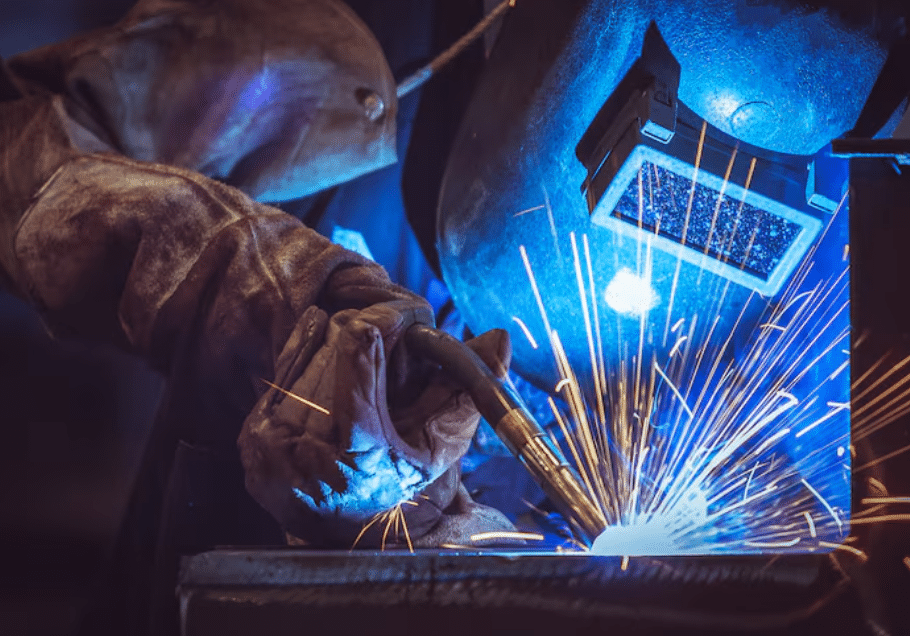
MIG welding is widely considered the easiest welding process for beginners.
MIG welding uses a continuous wire feed and a stable arc, so you spend less time restarting welds and more time learning how to move the gun and shape a clean bead. That simplicity matters when you’re new.
Most beginners can produce usable welds with MIG in their first few practice sessions. That early success builds confidence and keeps people from quitting.
Why MIG Welding Is the Easiest Welding to Learn
MIG welding feels easier because the machine handles much of the complexity for you.
Instead of juggling multiple variables at once, you can focus on the basics—angle, travel speed, and bead shape.
MIG welding is beginner-friendly because:
- The Wire Feeds Automatically, so you don’t manage rod length
- The Arc Stays Stable, which reduces sticking and spatter
- The Weld Puddle Is Easy to See, making control simpler
- Hand Movements Stay Simple, with fewer coordination demands
- Starts Feel Smooth, not abrupt or jerky
Think of MIG welding like driving an automatic car. You still need to steer and pay attention, but you’re not fighting the controls the entire time.
What Makes a Welding Process Easy or Hard to Learn?
A welding process feels easy or difficult based on how much control it demands and how forgiving it is when you make mistakes.
The biggest factors include:
- Arc Stability – Does the arc stay consistent without constant adjustment?
- Setup Complexity – How many settings must be dialed in correctly?
- Puddle Visibility – Can you clearly see what the metal is doing?
- Error Tolerance – Does it forgive small mistakes in speed or angle?
- Post-Weld Cleanup – Is slag removal or heavy spatter involved?
Processes that forgive small errors help beginners progress faster and stay motivated.
How does flux-core welding compare for beginners?
Flux-core welding is also easy to learn and ranks just behind MIG welding for beginners.
How Does Flux-Core Welding Compare for Beginners?
Flux-core welding is also easy to learn and ranks just behind MIG welding for beginners.
Flux-core uses a tubular wire filled with flux, which means you don’t need shielding gas. That makes setup simpler and allows welding outdoors without wind issues.
Flux-core welding works well for beginners because:
- No Gas Setup Is Required, reducing equipment complexity
- Outdoor Welding Is Easier, even in light wind
- Penetration Is Strong, especially on thicker steel
- Machines Often Cost Less, which helps beginners start affordably
The tradeoff is more spatter and slag. You’ll spend extra time cleaning welds, but the learning curve is still gentle.
Is Stick welding easy to learn?

Stick welding is harder to learn than MIG or flux-core, but it’s still manageable with practice.
Stick welding requires you to manually feed the electrode while maintaining proper arc length. That added coordination challenges for beginners early on.
Stick welding feels harder because:
- The Electrode Burns Away, changing arc length constantly
- Arc Control Takes Practice, especially during restarts
- Slag Must Be Removed, adding another step after welding
- Restarts Are Tricky, until muscle memory develops
That said, stick welding teaches solid fundamentals and works well outdoors. Many beginners learn it successfully—it just takes more patience.
Is TIG welding the easiest welding to learn?
TIG welding is the hardest welding process to learn and is not beginner-friendly.
TIG demands precise coordination between both hands and, often, a foot pedal. You control heat, arc length, and filler rod placement at the same time.
TIG welding is difficult because:
- Arc Length Must Stay Exact
- Filler Rod Feeding Is Manual
- Heat Control Is Constant
- Puddle Control Takes Time to Master
TIG produces beautiful, clean welds, but it’s best learned after you’re comfortable with easier processes.
Which Welding Process Should Beginners Start With?
Beginners should start with MIG welding or flux-core welding.
These processes let you build skills quickly without overwhelming you. You’ll learn:
- Proper travel speed
- Bead shape and consistency
- Basic heat control
- Muscle memory for torch movement
Once those skills feel natural, moving to Stick or TIG becomes far easier.
What equipment makes welding easier to learn?
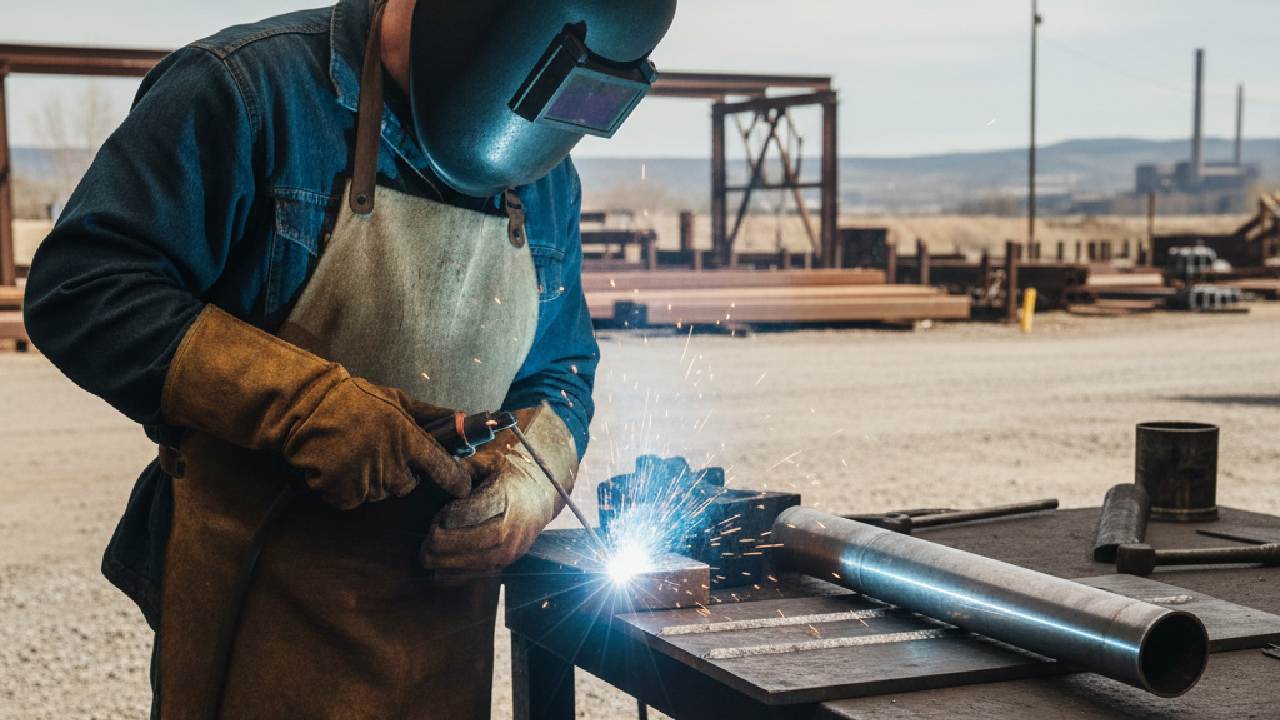
Beginner-friendly equipment removes distractions and helps you focus on technique.
Helpful starter gear includes:
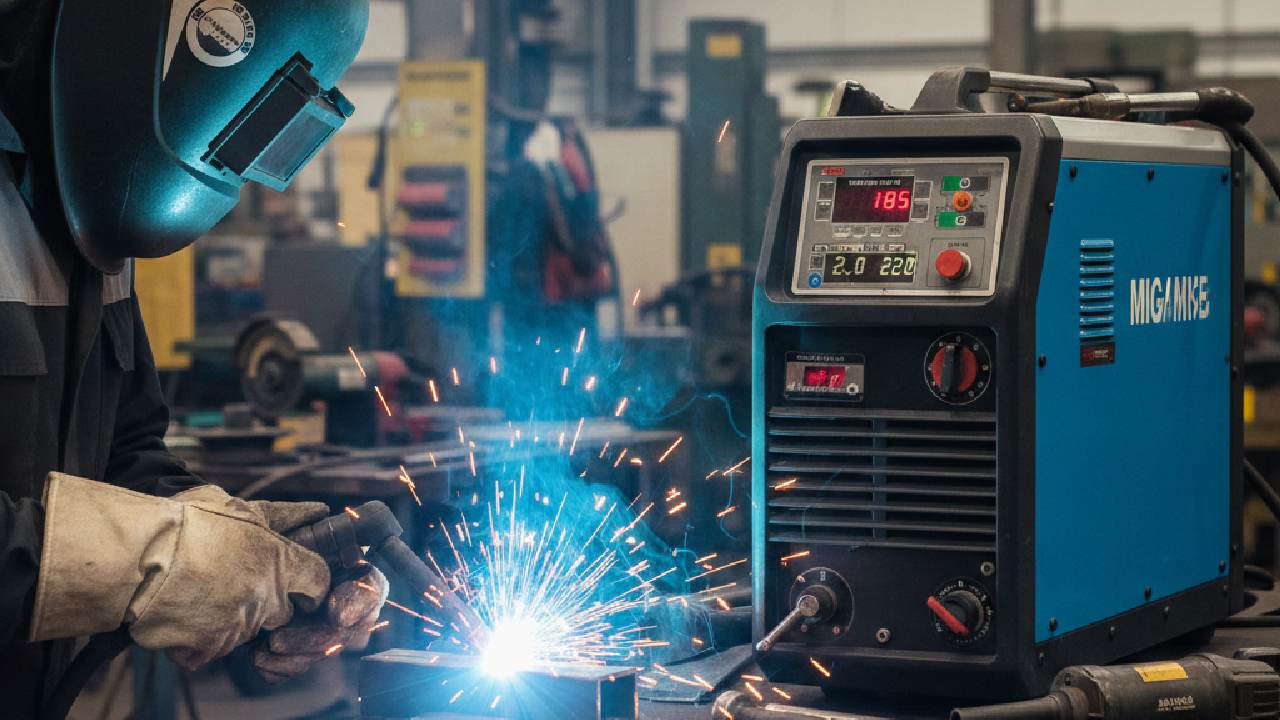
- A MIG or Flux-Core Welder with stable output
- An Auto-Darkening Helmet for clear visibility
- A Solid Ground Clamp for consistent arc starts
- Clean Wire and Consumables to avoid feeding issues
Simple, reliable gear shortens the learning curve more than advanced features ever will.
Does the power source affect how easy welding is to learn?
Lower-power welders are easier for beginners to control.
Most beginners learn faster using:
- 110–120V Welders
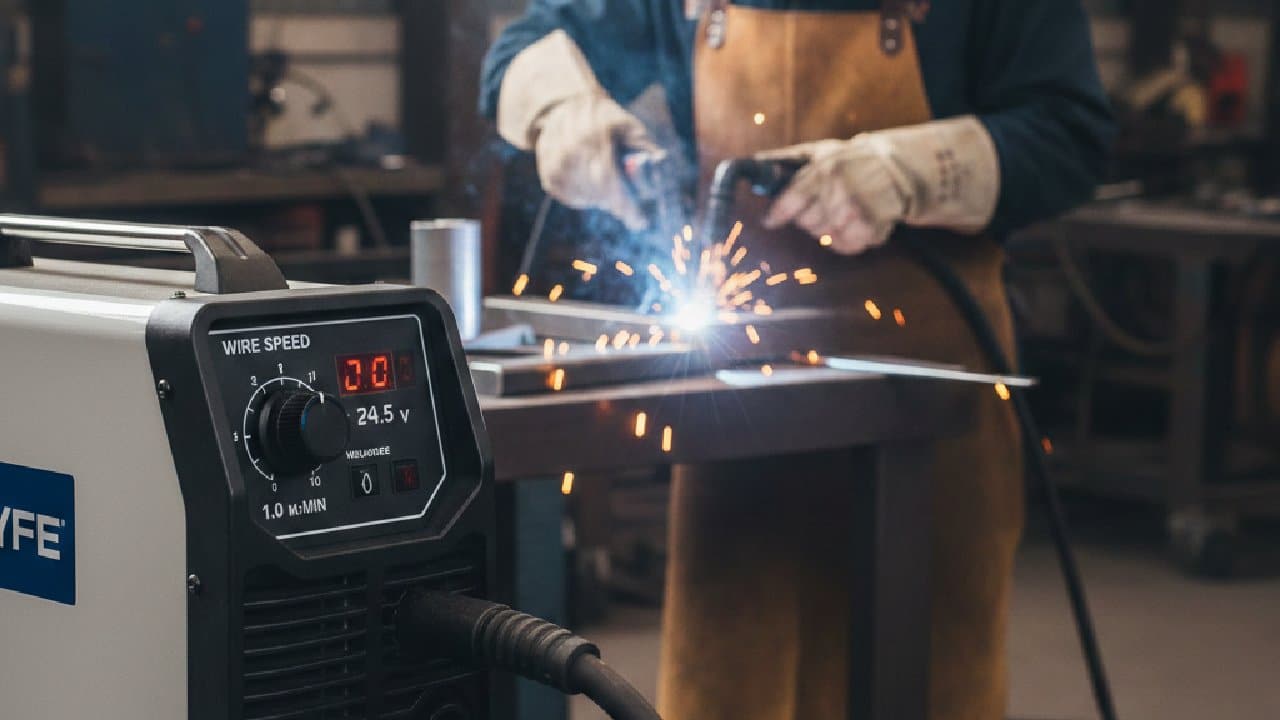
- Machines With Adjustable Voltage and Wire Speed
- Setups Designed for Thin Metal
Lower power reduces burn-through and helps you focus on technique instead of fighting excess heat.
What materials are easiest to learn welding on?
Mild steel is the easiest material to learn welding on.
It’s predictable, affordable, and forgiving.
Mild steel works well because:
- It Melts Evenly
- It Resists Cracking
- It Tolerates Small Mistakes
- It’s Easy to Source
Avoid aluminum and stainless steel until your basics feel solid.
What common mistakes make welding harder to learn?
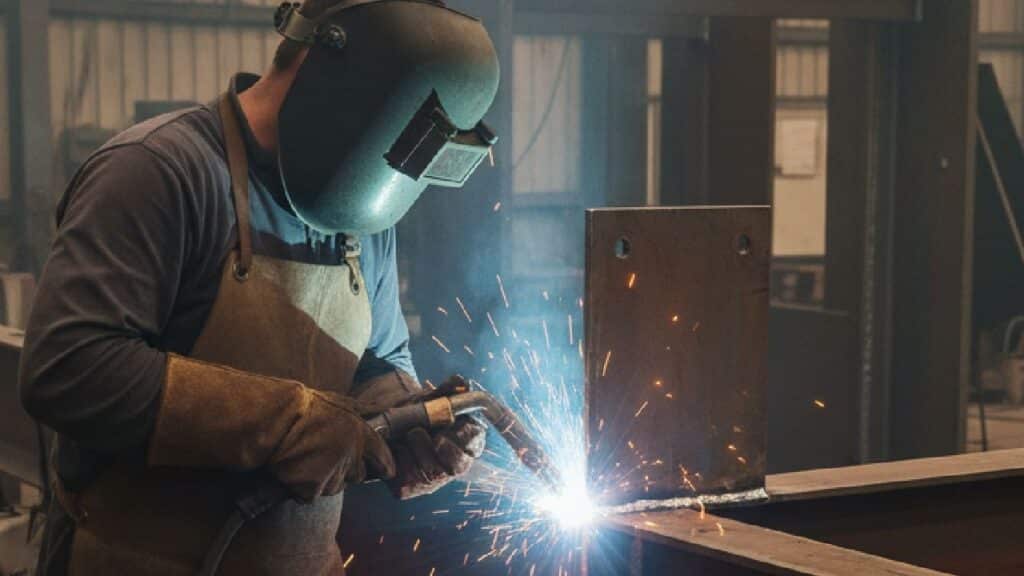
Most beginner problems come from setup issues, not a lack of talent.
Common mistakes include:
- Incorrect voltage or wire speed
- Long arc length
- Moving too fast or too slow
- Welding on dirty metal
- Choosing the wrong process
Fixing setup problems often improves weld quality immediately.
How long does it take to learn basic welding?
Most beginners learn basic welding skills within a few weeks of regular practice.
With consistent practice:
- Clean beads often appear within days
- Basic joints feel comfortable in 2–3 weeks
- Control improves steadily with repetition
Time spent practicing matters far more than natural ability.
How should beginners practice welding?
The fastest way to improve is through short, focused practice sessions.
Effective practice includes:
- Running straight beads on scrap steel
- Adjusting settings in small steps
- Watching puddle behavior closely
- Listening to arc sound
Simple drills build confidence faster than complex projects.
Can beginners learn welding at home?
Yes, beginners can learn welding safely at home with proper equipment and ventilation.
Home welding works well in:
- Small garages
- Outdoor work areas
- Light fabrication setups
Always follow safety guidelines and wear proper protective gear.
What Is the Best Learning Path for New Welders?
The easiest learning path builds skills step by step.
A practical progression looks like this:
- Learn MIG or flux-core basics
- Practice flat joints on mild steel
- Add lap and fillet joints
- Learn Stick welding fundamentals
- Explore TIG when ready
This approach keeps frustration low and progress steady.
Final Thoughts: The Easiest Welding to Learn
MIG welding is the easiest welding to learn, followed closely by flux-core welding. These methods offer stable arcs, simple setup, and fast results—exactly what beginners need.
Start with mild steel, use flat joints, and keep practice sessions short and focused. Don’t rush into complex processes too early.
If you’re choosing your first welder or setting up a beginner-friendly workspace, explore our beginner welding guides or reach out for practical recommendations based on what you plan to weld.
FAQs
The 8 basic types of welding are:
–MIG Welding (GMAW) – Easy to learn, great for beginners and clean welds
–TIG Welding (GTAW) – Precise and clean, but difficult to master
–Stick Welding (SMAW) – Simple equipment, works well outdoors
–Flux-Core Welding (FCAW) – Similar to MIG, no gas required
–Oxy-Fuel Welding – Uses flame instead of electricity, mostly for repairs
–Plasma Arc Welding – High precision, used in industrial applications
–Resistance Welding – Common in factories, especially automotive work
–Laser Welding – Highly precise and automated, used in advanced manufacturing and robotics.
High-paying welding jobs are typically pipe welding, underwater welding, and specialized TIG work in oil, gas, and power industries.
Yes. Welding offers strong job demand, clear skill progression, and solid pay without requiring a four-year degree, especially for skilled tradespeople.
No. Most welding jobs use basic measurements and simple math, with hands-on skill far more important than calculations.
No. Automation handles repetitive factory welding, but field work, repairs, and custom fabrication still rely heavily on skilled human welders.