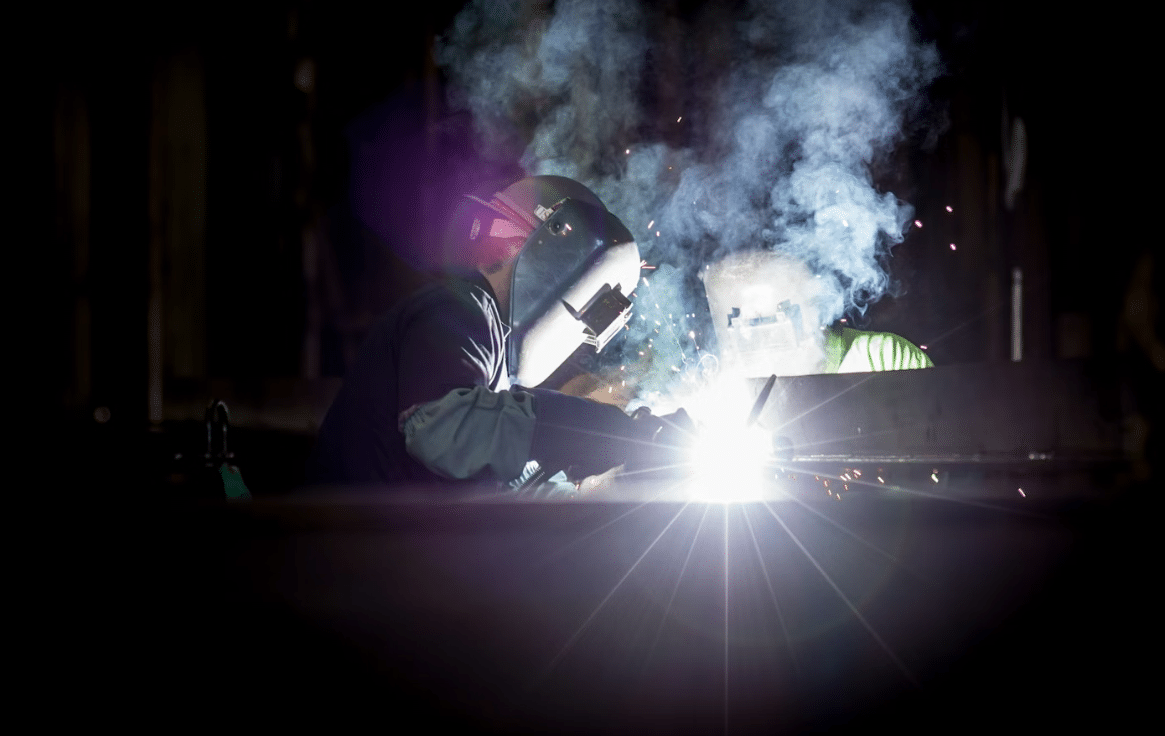
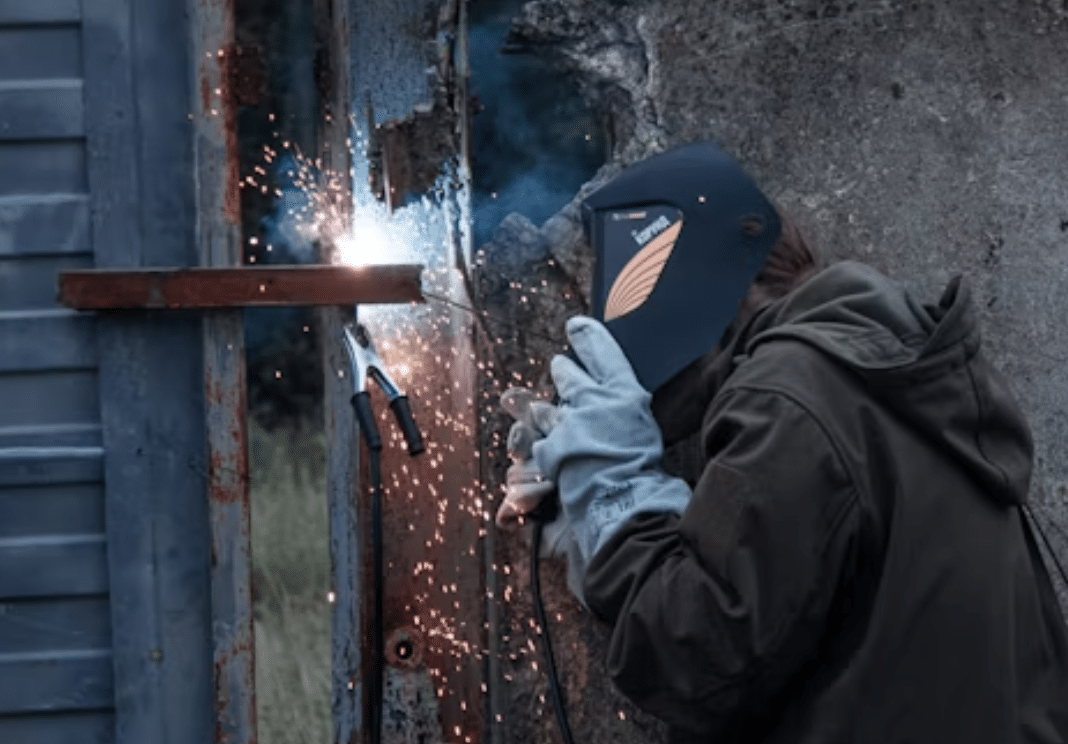
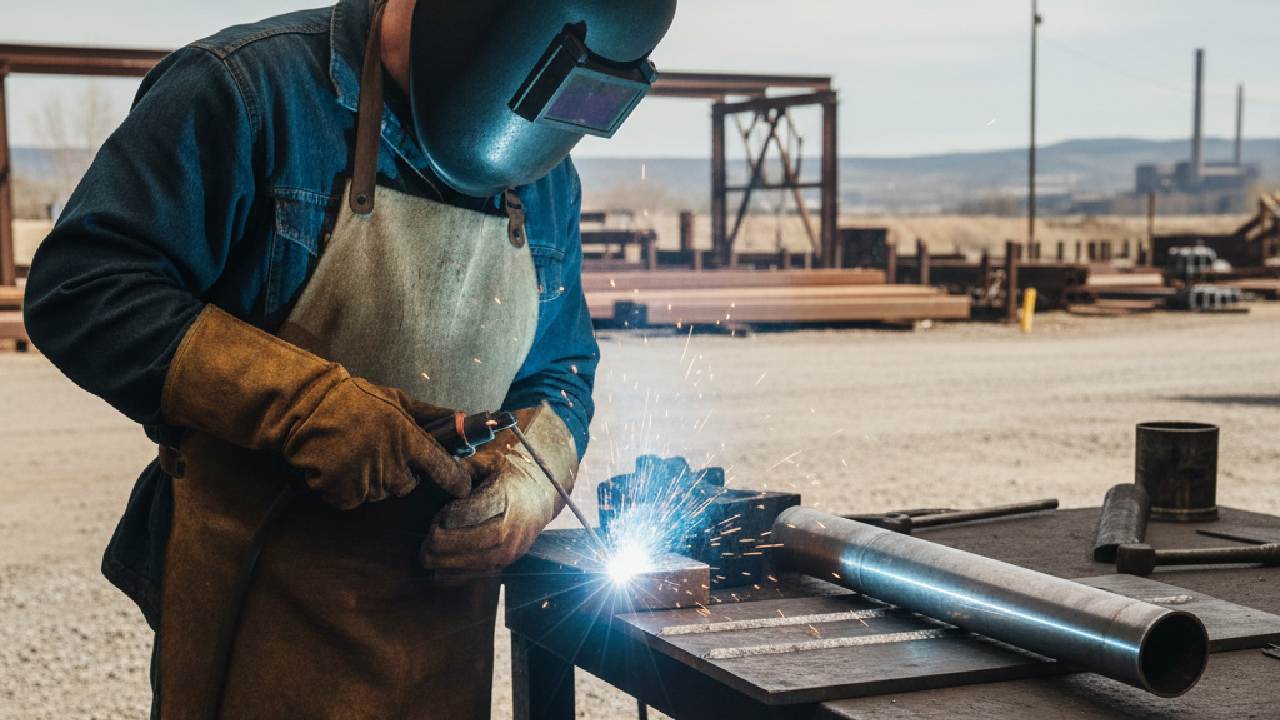
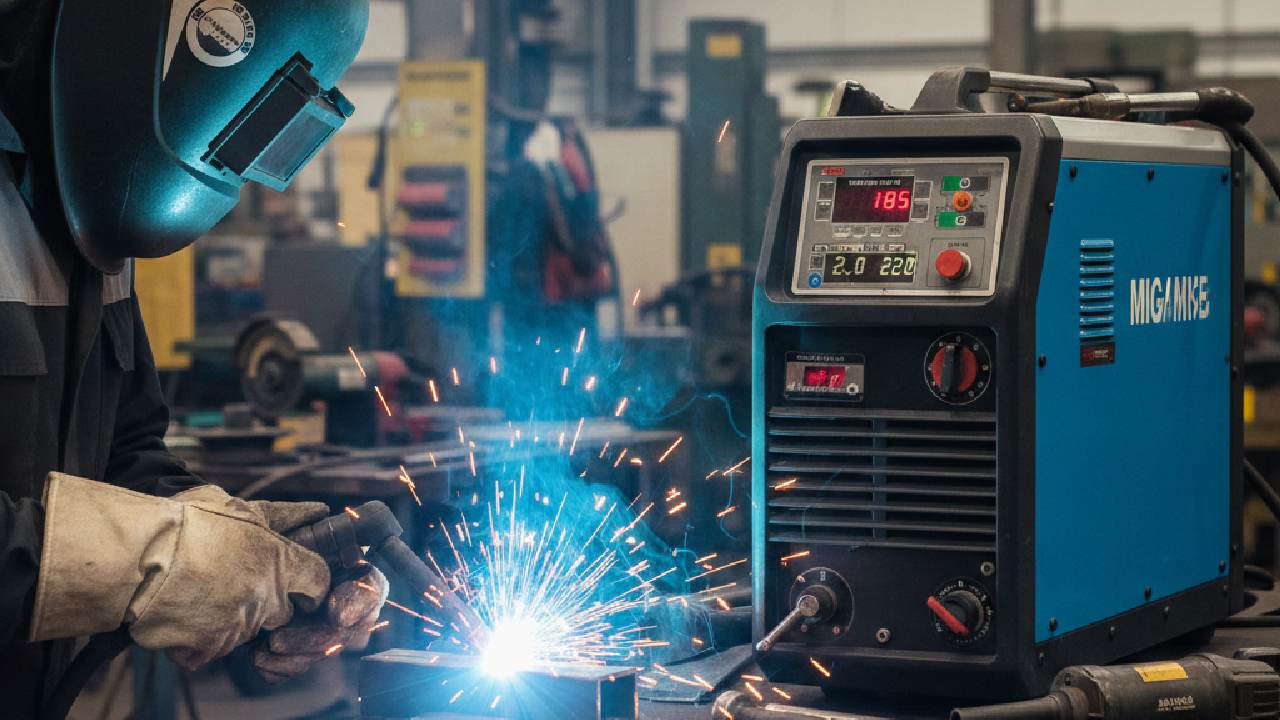
Outdoor welding safety starts with control. Once wind, wet ground, poor footing, and changing light get involved, a routine weld can turn risky fast. If you weld outside often, you’ve probably seen how quickly a simple setup can become harder to manage than it first appears.
In this guide, we’ll walk through the biggest outdoor welding risks, the PPE you actually need, how weather changes the job, and when it makes more sense to stop than to push through.
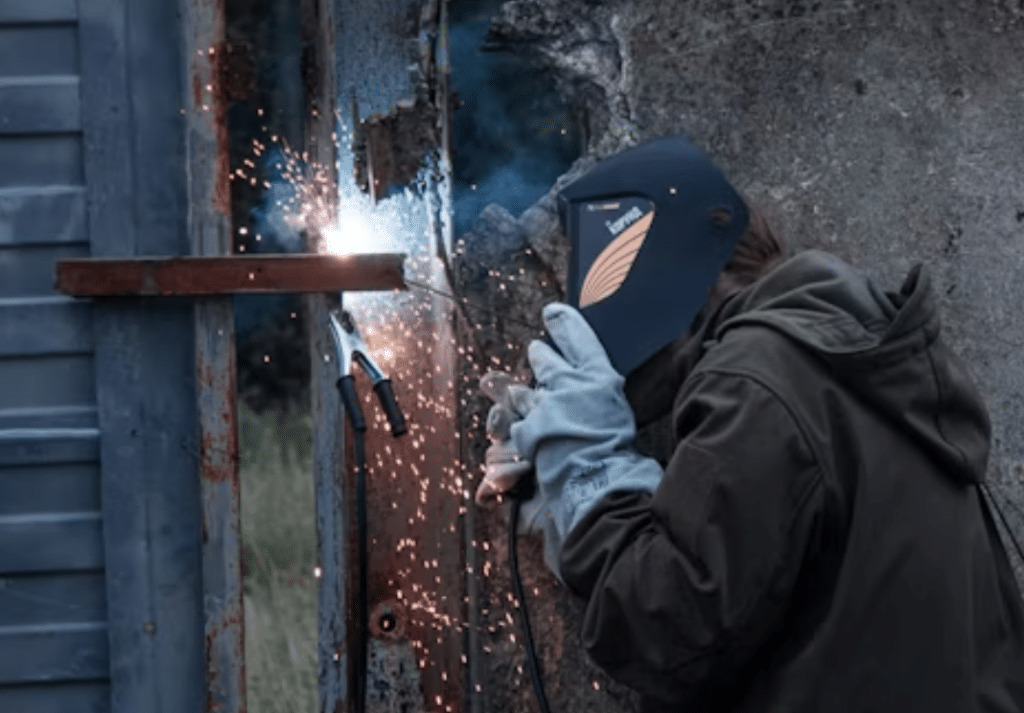
Why Is Outdoor Welding More Dangerous Than Indoor Welding?
Outdoor welding is more dangerous because the job site changes while you work, and every change hits safety and weld quality at the same time.
Weather Can Change Faster Than Your Setup
Wind, rain, and temperature swings do not wait for you to finish a pass. A job can start in calm conditions and turn messy in a few minutes. When that happens, your arc gets harder to control, shielding gas becomes less reliable, and sparks can travel farther than you expected.
Ground Conditions Make Simple Tasks Less Simple
Indoor welding usually gives you a flat, controlled surface. Outdoor work does not. Dirt, gravel, slopes, mud, and wet patches make it easier to slip or lose balance, especially when you are moving leads, repositioning material, or handling hot metal.
Outdoor Hazards Tend To Stack Up
That is the real problem. Outside, risks rarely show up one at a time. Wind can hurt your weld and spread sparks. Rain can reduce footing and raise shock risk. Poor light can make it harder to see your puddle and your cable path. Once control starts slipping in 2 or 3 places at once, the job gets dangerous fast.
What Are the Main Risks of Outdoor Welding?
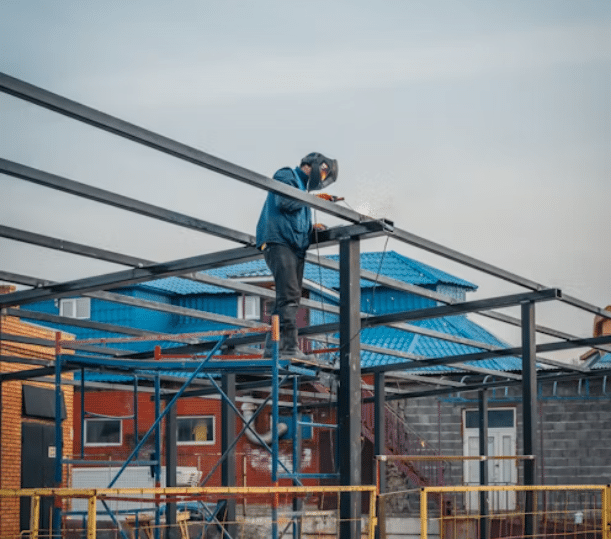
The main outdoor welding risks are fire, shock, fume exposure, burns, arc-eye injuries, and falls. The trouble is that outdoor jobs often combine several of these at once instead of giving you just one problem to manage.
Fire Can Spread Farther Than You Think
Fire is one of the biggest outdoor welding hazards because sparks do not stay where you want them. Dry grass, sawdust, wood, fuel, and trash can catch fast once sparks or hot slag land in the wrong spot. Under OSHA hot work fire precautions, appreciable combustible material within 35 feet of welding or cutting operations must be removed, protected, or managed with added fire controls when needed.
If you are welding outside, do not just check the area under your boots. Check the wider area too.
Shock Risk Goes Up Fast On Wet Jobsites
Outdoor welding becomes much more dangerous once water gets involved. Wet ground, damp gloves, soaked sleeves, and damaged leads can all increase electrical exposure. What looks like “just a little moisture” is often enough to turn a routine setup into a bad one.
Fumes Still Matter Outside
Open air helps, but it does not eliminate fume exposure. CDC/NIOSH guidance on welding fumes notes that welding fumes and gases are linked to adverse respiratory and other health effects, especially when exposure is prolonged or involves more toxic metals.
Burns And Arc-Eye Happen In Seconds
Arc flash and hot metal do not need much time to do damage. OSHA says workers doing welding or cutting need suitable eye protection with the right filter shade because radiant energy from welding can injure the eyes quickly.
And outside, nearby workers are easier to miss because there are no walls or screens controlling the area for you.
Trips And Falls Turn Small Mistakes Into Bigger Ones
Loose leads, poor cable routing, scattered tools, and uneven ground create the kind of hazards people tend to ignore until they are already carrying hot material or trying to move fast. Outside, a small trip can turn into a burn, a dropped torch, or a damaged machine in a split second.
Outdoor Welding Risk Table
Use this outdoor welding risk table to spot the biggest hazards before you start. The main goal is simple: catch the problem early, before it affects both your safety and your weld quality.
| Risk Type | Common Outdoor Cause | What Can Happen | How To Reduce It |
| Fire | Sparks, Hot Slag, Dry Grass, Fuel, Wood Debris | A small spark turns into a fast-moving fire | Clear the work area, protect nearby combustibles, and keep an extinguisher within reach |
| Shock | Wet Ground, Damp PPE, Damaged Leads, Poor Connections | Electric shock or loss of machine control | Keep the setup dry, inspect cables, and replace wet gloves or sleeves before welding |
| Fumes | Partial Covers, Corners, Tents, Coated Metal | Eye, throat, and breathing irritation | Improve airflow, avoid trapping fumes, and use respiratory protection when needed |
| Burns And Arc-Eye | Arc Exposure, Spatter, Hot Metal, Unprotected Bystanders | Skin burns and eye injury | Wear full PPE, block the area, and protect nearby workers from the arc |
| Trips And Falls | Loose Cables, Uneven Ground, Scattered Tools | Falls, dropped tools, or secondary burns | Route leads away from walk paths and keep the ground clear before you weld |
How Do Weather Conditions Affect Outdoor Welding Safety?
Weather affects outdoor welding safety by changing arc control, footing, visibility, fire risk, and physical fatigue. Once the weather starts hurting control, the safe move is usually to pause and reset instead of forcing the job.
Wind Hurts Arc Stability And Fire Control
Wind is one of the first things to check before outdoor welding, especially if you are using MIG or TIG. It can blow shielding gas away from the weld zone, increase porosity risk, and push sparks farther across the site. A job that looks fine at the stinger can still be unsafe 20 feet away if sparks are landing near dry material.
Rain Changes The Job From Difficult To Unsafe
Rain and standing water raise shock risk fast. They also reduce footing, soak gloves, and make leads harder to manage. Under OSHA wet-condition shock protection rules, personnel using arc welding or cutting equipment must be protected from possible shock when floors or work surfaces have been wet down. If the ground, gear, or PPE is getting wet, that is usually your sign to stop, not to improvise.
Heat Wears You Down Before You Notice It
Hot weather does not just make the job uncomfortable. It slows your reactions, cuts concentration, and makes rushed mistakes more likely. That matters outside because you are already managing more moving parts than you would indoors.
Cold Cuts Dexterity And Traction
Cold weather makes outdoor welding harder by reducing finger control, grip strength, and patience. Thick gloves help with protection, but they can also make fine control harder. Add frost, frozen steel, or slick ground and the job gets less forgiving fast.
Sudden Weather Shifts Are A Stop-Work Warning
This is the part people underestimate. Outdoor welding usually becomes unsafe before it becomes impossible. A quick drop in light, a gusty wind shift, or unexpected moisture can all be enough to justify a pause. If you cannot keep the arc stable, see clearly, and move safely, the job is no longer under control.
Quick Stop-Work Signs for Outdoor Welding
Use this quick stop-work table when outdoor conditions start changing during the job. If any of these signs show up, it is usually safer to pause, reset, or stop work entirely.
| Stop-Work Sign | What It Means |
| Shielding Gas Becomes Unstable | Porosity, sputtering, or visible gas disruption means wind is already affecting weld quality. |
| Water Reaches PPE Or Connections | Wet gloves, wet leads, or soaked ground mean the job has crossed into a higher-risk setup. |
| You Lose Clear Sight Of The Weld | Glare, fading light, or blowing dust can make a routine pass unsafe. |
| Footing Changes Mid-Job | Mud, frost, loose gravel, or slick steel surfaces can turn a stable setup into a fall risk. |
What PPE Do You Need for Outdoor Welding?
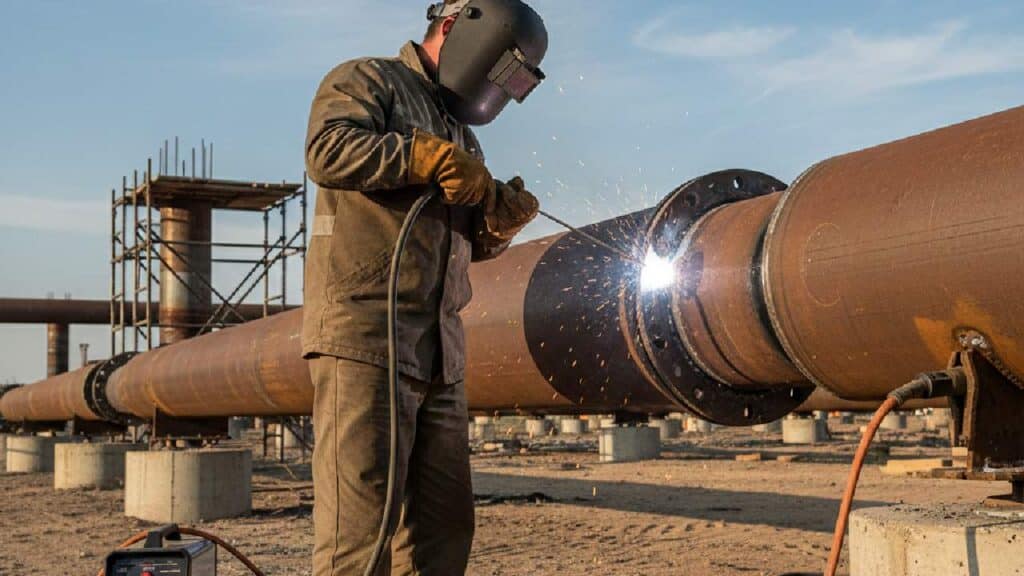
Outdoor welding PPE should protect your eyes, skin, hands, feet, and lungs while also matching the weather and ground conditions on site.
Eye And Face Protection Comes First
Start with a welding helmet that has the right shade for your process and amperage. Outdoor light can shift fast, so an auto-darkening helmet usually makes the job easier. You also need safety glasses under the helmet because grinding, chipping, and flying debris do not stop when the hood goes down.
Flame-Resistant Clothing Needs Full Coverage
Wear flame-resistant clothing that covers your arms, legs, and upper body. Outside, sparks can bounce in odd directions, especially when the wind picks up or you are working near steel, concrete, or equipment frames. A jacket, sleeves, and full-length pants give you much better protection than a “quick repair” setup in a T-shirt.
Dry Gloves And Stable Boots Help You Keep Control
Gloves do more than block heat. Outdoors, they also help reduce shock risk when the air is damp or the ground is less than ideal. And if you’ve ever tried to work on wet gravel or muddy concrete, you already know how fast bad footing can throw off a simple repair.
Respiratory Protection Still Matters Outside
Open air helps, but it does not remove all fume risk. You still need to pay attention when you are welding near walls, under covers, inside temporary structures, or on coated material. NIOSH notes that welding exposure can affect the eyes, skin, lungs, and nervous system, so respiratory protection still belongs in the conversation even on outdoor jobs.
Weather Gear Should Match The Day
Your PPE should change when the site changes. In hot weather, lighter flame-resistant layers and regular water breaks help you stay focused. In cold weather, you need warmth without losing hand control. In wet weather, the priority is not “toughing it out.” It is keeping your gloves, clothing, and electrical setup dry enough to work safely.
Outdoor Welding PPE Checklist
Use this outdoor welding PPE checklist before every job:
- Welding Helmet With The Correct Shade: Protects your eyes from arc flash and changing outdoor light.
- Safety Glasses Under The Helmet: Adds protection during grinding, chipping, and setup work.
- Flame-Resistant Jacket and Full-Length Pants: Reduces burns from sparks, slag, and hot metal.
- Dry Welding Gloves in Good Condition: Helps protect against heat and reduces shock risk.
- Steel-Toe Boots With Non-Slip Soles: Improves footing on gravel, mud, wet concrete, and uneven ground.
- Respiratory Protection When Airflow Is Limited: Lowers fume exposure near covers, corners, and coated material.
- Weather-Appropriate Outer Layers: Keep you protected in heat, cold, or damp conditions without losing too much mobility.
How Should You Set Up a Safe Outdoor Welding Area?
A safe outdoor welding area should be dry, stable, clear of combustibles, and arranged so you can control sparks, cables, and visibility from start to finish.
Start With Dry, Stable Ground
Set up on firm ground that gives you a solid footing and stable machine placement. Mud, loose gravel, slopes, and standing water make simple jobs harder than they need to be. If the ground feels sketchy while you are still setting up, it will feel worse once you are holding a live stinger or torch.
Clear The Fire Zone First
Move or protect dry grass, wood, paper, fuel containers, oily rags, and other combustibles before you weld. OSHA uses a 35-foot distance as the main hot-work benchmark for nearby combustibles, which makes it a useful rule for outdoor setups, too.
Route Cables Where People Will Not Fight Them
Keep leads and hoses out of walk paths and away from sharp edges, puddles, and traffic areas. Good cable routing does more than prevent trips. It also helps you move, reposition, and shut down faster if conditions change.
Use Windbreaks Carefully
Windbreaks can help protect shielding gas and reduce spark travel, but placement matters. Set them where they block wind without trapping fumes around your breathing zone. A cover that solves one problem and creates another is not helping you.
Keep The Work Area Easy To See
You need a clear view of the weld zone, your footing, and your cable path. Outdoor light changes faster than indoor light, especially late in the day. If glare, shadow, or site clutter keeps stealing your attention, fix that before you strike an arc.
What Fire and Electrical Safety Rules Matter Most Outdoors?
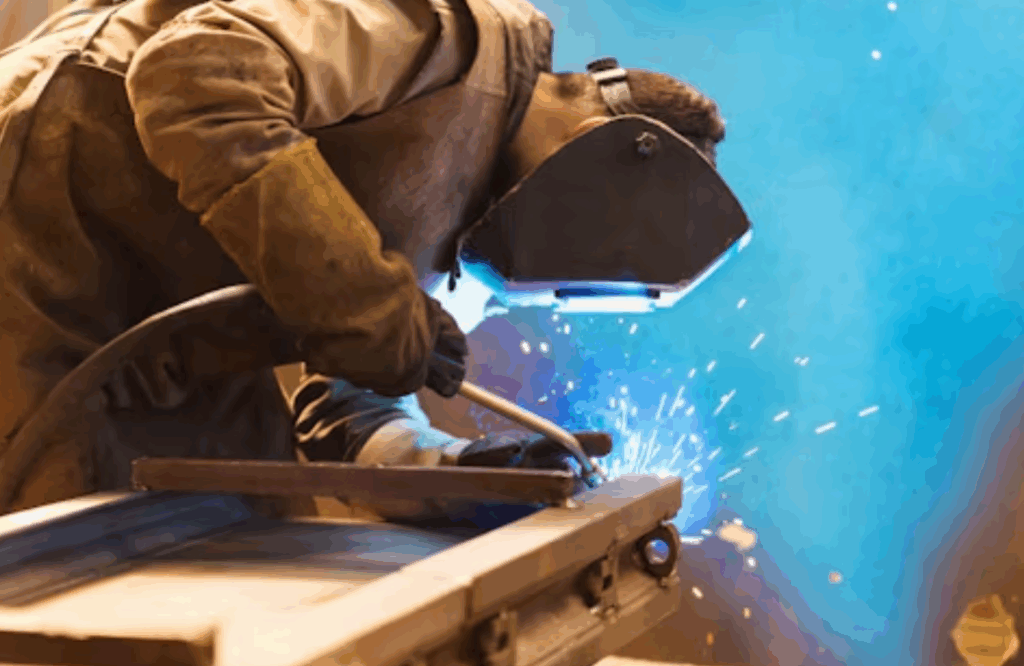
The most important outdoor fire and electrical rules are to inspect equipment before every job, keep the setup dry, control nearby combustibles, verify grounding, and stay on fire watch after the work ends.
Inspect Equipment Before You Start
Check the machine, leads, electrode holder, ground clamp, plugs, and connections before every job. Outdoor sites are rougher on equipment than indoor shops. Dirt, moisture, dragging, and impact damage all show up faster in the field.
Keep Fire Protection Within Reach
Do not start welding and then wonder where the extinguisher is. Keep it close enough to grab fast, and make sure the people on site know where it is. That sounds obvious, but it is one of those steps people skip right up until the day they need it.
Do Not Weld With Wet Gear Or On Wet Ground
Water and damaged insulation are a bad combination. OSHA’s welding standard says wet conditions require shock protection for people using arc welding or cutting equipment, which is a clear sign that moisture changes the risk level fast.
Verify Grounding And Power Connections
Secure grounding and clean power connections are even more important outside because setups tend to be temporary and spread out. Loose clamps, poor contact points, and damaged cords can turn into heat buildup, unstable arc performance, or electrical exposure before you notice what is happening.
Keep A Fire Watch After The Weld
A fire risk does not end when the arc stops. Under OSHA fire watch requirements, the hot-work area must be monitored for at least 30 minutes after welding or cutting ends, and the watch period may need to be extended if conditions still present a fire hazard.
When Should You Delay or Stop Outdoor Welding?
You should delay or stop outdoor welding as soon as conditions start taking away your control. If you cannot keep the area dry, see the weld clearly, manage sparks, or move safely, the job should pause.
Stop Immediately During Lightning Or Storm Activity
A thunderstorm changes the whole risk picture. Once lightning is close, outdoor welding is no longer something you should try to work around. Shut down, secure the area, and wait until conditions are clearly safe again.
Pause When Wind Starts Fighting The Process
If wind is disrupting shielding gas, pushing sparks farther than expected, or making it harder to hold a steady arc, stop and reset the setup. This matters most with gas-shielded processes, but it is also a fire-control issue for the whole site.
Stop If Water Starts Reaching The Work Zone
If the ground is wet, your gloves are damp, or moisture is getting onto leads, connectors, or the machine, the job has crossed into a higher-risk situation. OSHA’s welding rule specifically says wet-down conditions require shock protection for personnel using arc welding or cutting equipment.
Do Not Push Through Heat, Cold, Or Fatigue
Extreme temperatures do not just make the job harder. They make mistakes more likely. If you are losing focus, rushing simple tasks, or struggling with grip and footing, treat that as a safety issue instead of a toughness test.
Stop When Visibility Or Footing Drops Off
You should not keep welding if glare, fading light, mud, clutter, or unstable ground is forcing you to guess. Outdoor jobs often become unsafe before they become impossible. That is usually the point where the right call is to stop.
What Best Practices Help You Stay Safe While Welding Outdoors?
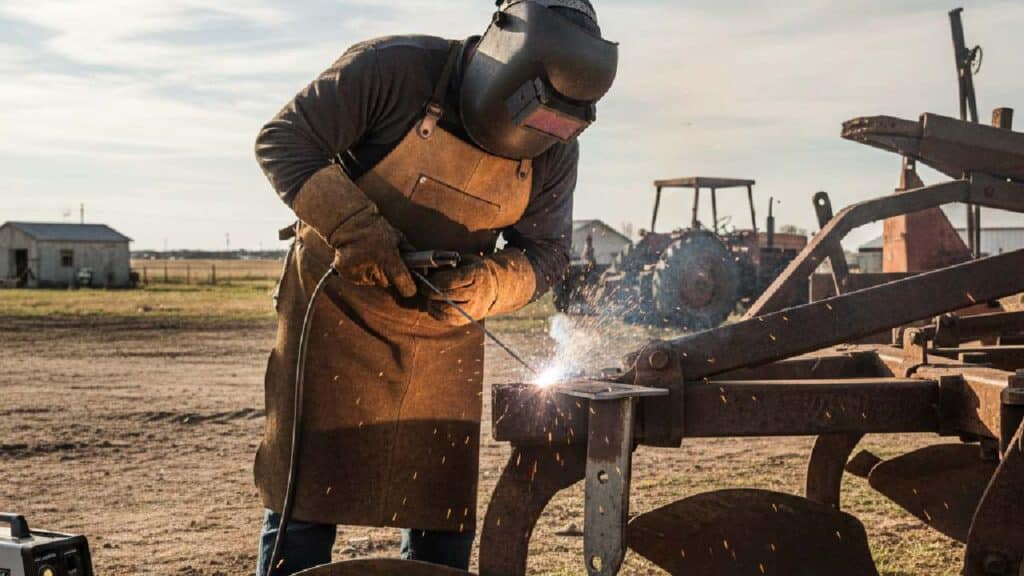
The best outdoor welding practices are simple: plan the site before you strike an arc, use the process that fits the conditions, wear the right PPE all the way through, and stop early when the job starts slipping out of control.
Walk The Site Before You Set Up
Take a few minutes to check the ground, nearby combustibles, cable paths, wind direction, and your exit route. That short walk usually tells you more than the equipment spec sheet will. It also helps you catch the kind of small problem that turns into a big interruption later.
Match The Process To The Conditions
Stick welding usually gives you the most forgiveness outdoors because the wind does not strip away shielding gas. MIG welding is faster and cleaner on the right job, but it needs better protection from the wind. TIG welding can deliver the cleanest result, but outside it is usually the least forgiving option because it depends on stable conditions and good control.
Wear PPE From Start To Finish
Do not treat PPE like something that matters only when the arc is on. Outdoor jobs include setup, repositioning, grinding, handling hot parts, and cleaning up. That means your helmet, glasses, gloves, boots, and flame-resistant clothing all need to stay part of the routine, not just the weld itself.
Keep Watching The Weather While You Work
Outdoor conditions change faster than indoor ones, and they do not always change in obvious ways. A slight wind shift, a darker sky, or more glare off the work surface can be enough to justify a pause. The safest outdoor welders are usually the ones who keep reassessing instead of assuming the setup is still fine.
Stop Early, Not Late
This is one of the best outdoor habits you can build. Do not wait until conditions become fully unsafe on paper. If arc control, footing, visibility, or fire control is getting worse, stop while you still have options. OSHA’s hot-work standard also requires area inspection, control of combustibles within 35 feet when applicable, and fire watch in higher-risk conditions, which supports the same mindset: deal with the hazard before it grows.
Conclusion
Outdoor welding gets dangerous when small problems start piling up. Wind affects the arc. Wet ground raises shock risk. Poor footing makes every cable, tool, and hot surface harder to manage. The safest approach is to control those basics before you weld, not after something goes wrong.
You now know the main risks, the PPE that matters most outdoors, and the warning signs that tell you when to stop. The next step is simple: review your field setup, tighten your PPE routine, and make sure your welding process actually fits the site conditions.
If you weld outside often, the next move is to compare outdoor-ready welding machines, tighten your fire-watch routine, and build one repeatable setup checklist you use on every field job. If you also need help choosing the right machine, your next stop should be an outdoor welder buying guide or a side-by-side process comparison.
FAQs about Outdoor Welding Safety
Yes, you can weld outside under a canopy or welding tent if the structure is stable, the airflow stays adequate, and the setup does not create a new fume problem. The cover should help control wind and light without trapping smoke around your breathing zone.
In many outdoor jobs, yes. Stick welding is usually the more forgiving choice because wind does not blow shielding gas away. MIG can still work well outside, but it usually needs a better-protected setup.
Yes. Wet PPE increases electrical risk fast, especially when the ground is also damp. OSHA specifically notes that when floors are wet down, personnel using arc welding or cutting equipment must be protected from possible shock.
Often, yes. OSHA requires a fire watch whenever conditions create more than a minor fire risk, including combustible material within 35 feet in some cases, and says the fire watch must continue for at least 30 minutes after hot work ends.
Keep machines, leads, rods, wire, and accessories dry whenever possible. Use covers during setup and shutdown, store consumables in sealed or protected containers, and do not leave electrical equipment sitting in wet ground or standing water.
The clearest sign is losing control in more than one way at the same time. If the wind is affecting the arc, the ground is getting slick, and visibility is dropping, the safest decision is usually to pause instead of trying to finish one more pass.