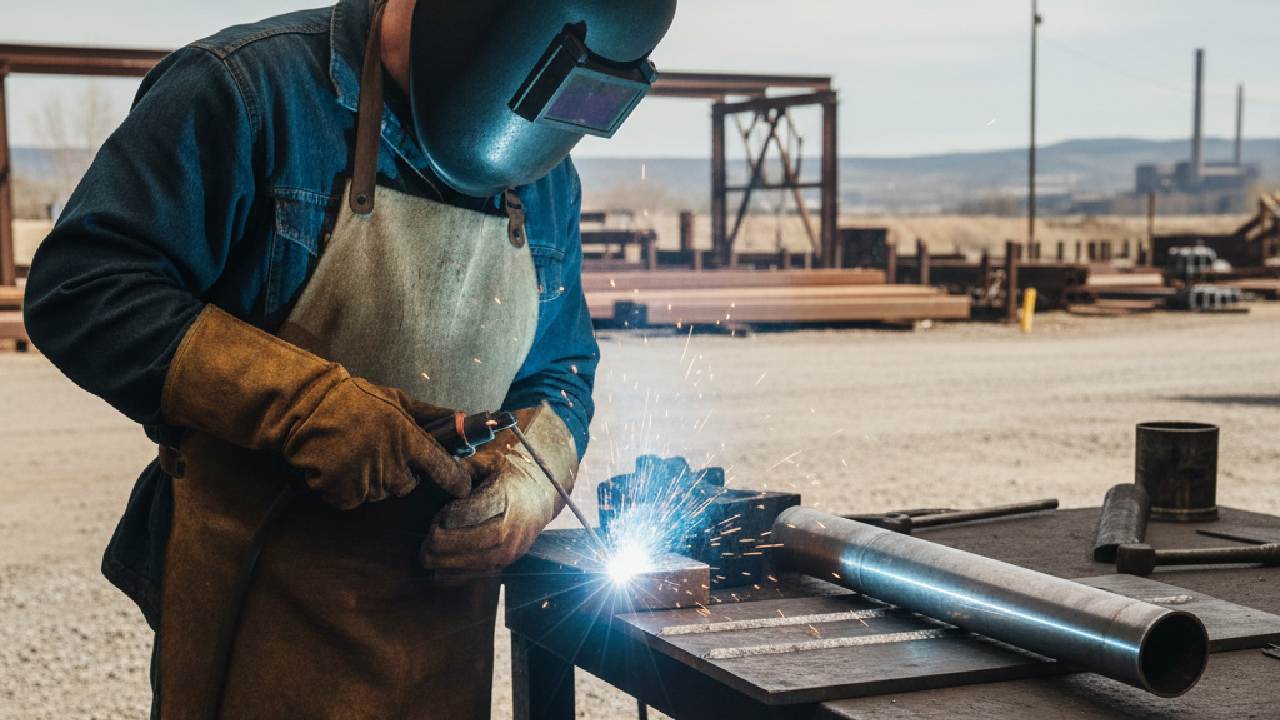
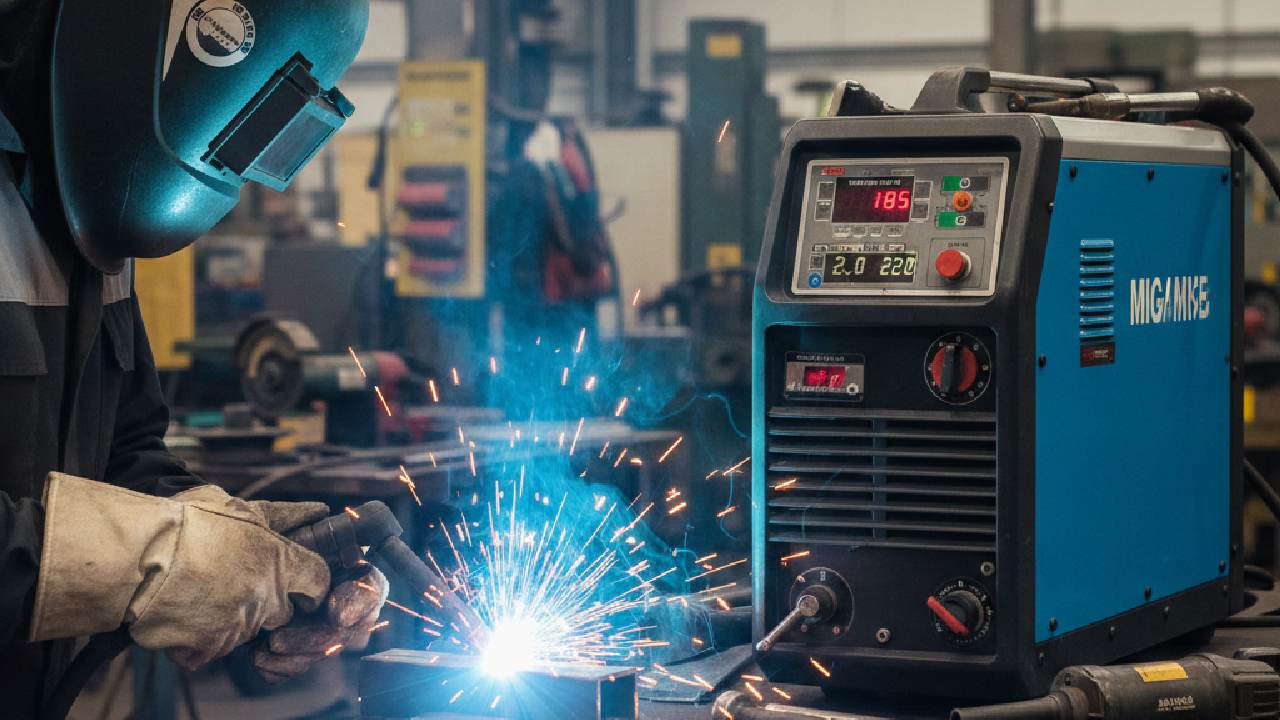
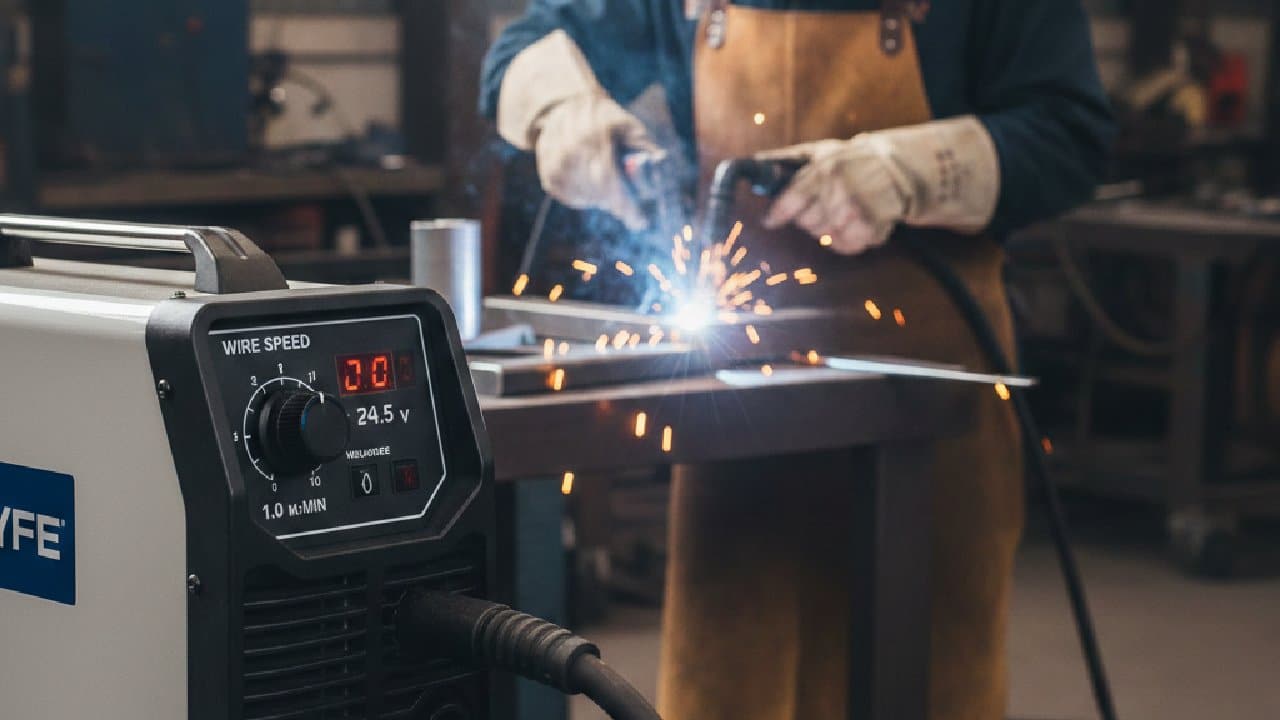
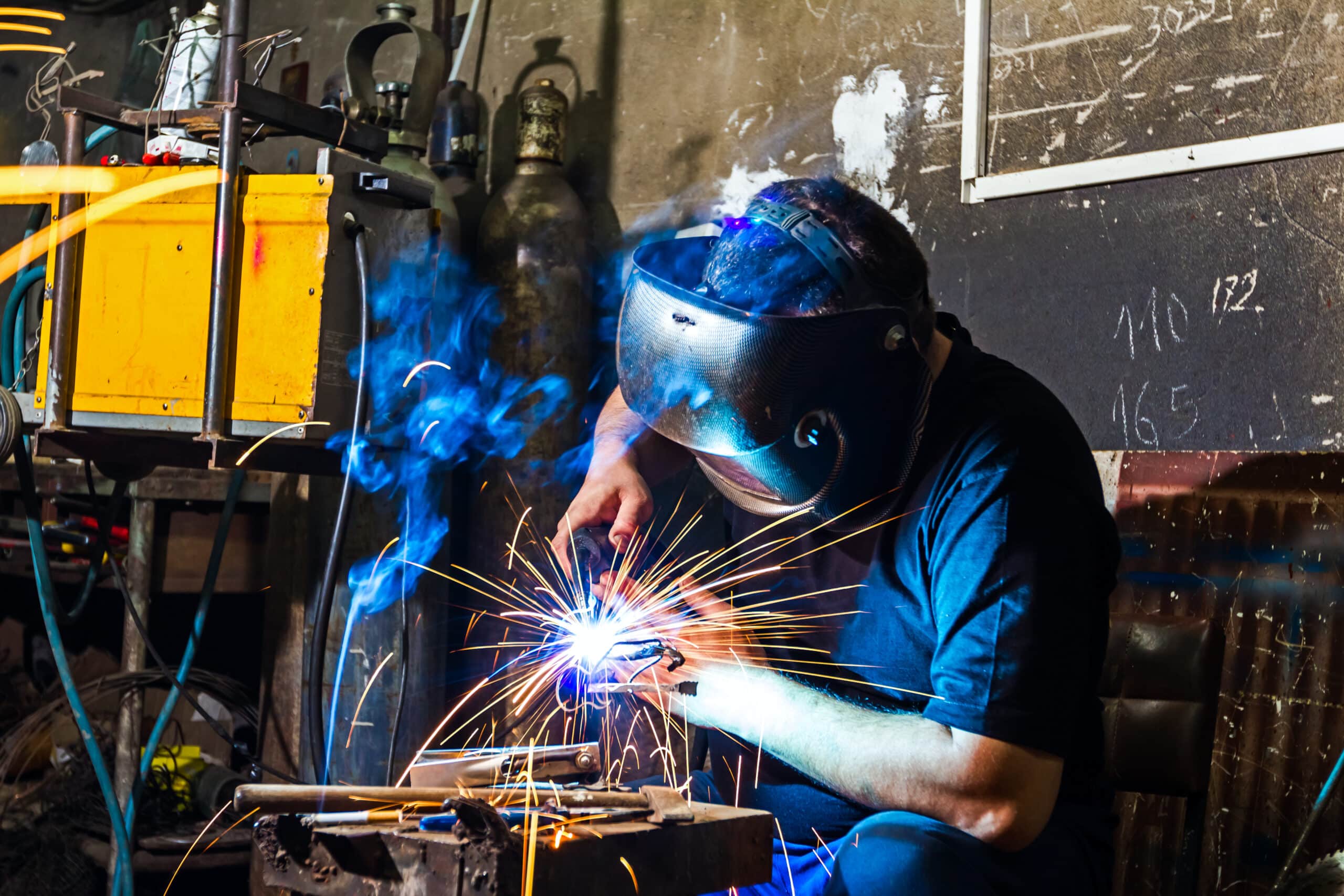
Stick welding tools are what you need to run SMAW safely and get consistent welds without fighting your setup. The basics are simple: a stick welder, solid leads and clamps, the right electrodes, a few hand tools for slag and prep, and PPE that protects you from UV and spatter. In this guide, you’ll learn what to buy first, what to upgrade later, and the common tool mistakes that cause sticking, spatter, and weak penetration.
What Tools Do You Actually Need for Stick Welding?
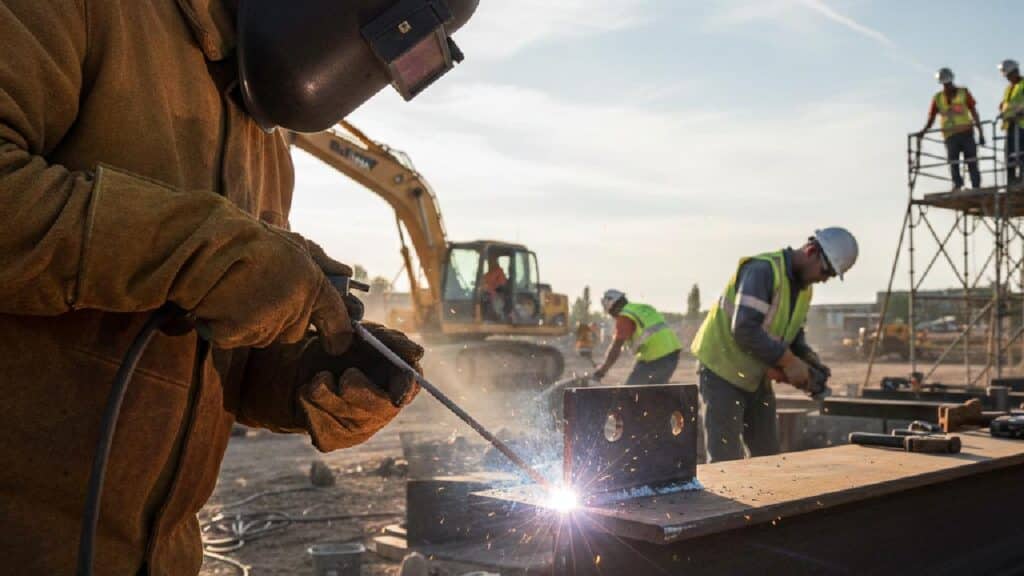
You only need a small group of core tools to run SMAW properly—but every one of them matters.
- Stick Welding Machine – Supplies AC or DC to melt the electrode and base metal.
- Electrode Holder (Stinger) – Holds the rod and transfers current without overheating.
- Ground Clamp – Completes the electrical circuit through the workpiece.
- Welding Leads – Carry current from the machine to the electrode and back.
- Stick Electrodes – Provide filler metal and flux shielding.
- Hand Tools – Handle slag removal, joint prep, and cleanup.
- PPE (Personal Protective Equipment) – Protects you from heat, UV light, sparks, and fumes.
If one of these tools is undersized or poorly maintained, the arc becomes unstable long before technique becomes the real problem.
How Do You Build a Simple and Reliable Stick Welding Tool Kit?
The smartest way to build a stick welding tool kit is to start with essentials, then upgrade only when your work demands it.
Core Essentials (Start Welding Immediately)
A basic SMAW kit should include:
- A stick welder
- Electrode holder and ground clamp
- Welding leads
- A small selection of electrodes
- Chipping hammer and a wire brush
- Angle grinder
- Welding helmet, gloves, and flame-resistant clothing
Tip: If you’re keeping the kit minimal, don’t skip the grinder. Joint prep fixes a lot of “weld problems” fast.
Upgrade Based on Job Type
- Light fabrication or hobby work: Better grinders, clamps, and layout tools improve accuracy.
- Field repairs: Longer, heavier welding leads and a portable inverter machine reduce setup limits.
- Structural or heavy repair: High-amperage machines, thick cables, and heavy-duty stingers handle sustained heat.
When Higher-Grade Tools Are Worth It
Upgrade when you notice hot leads, unstable arcs, clamp slippage, or frequent tool failures. Better tools reduce downtime and make consistent welds easier to repeat.
How Do You Choose the Right Stick Welder?
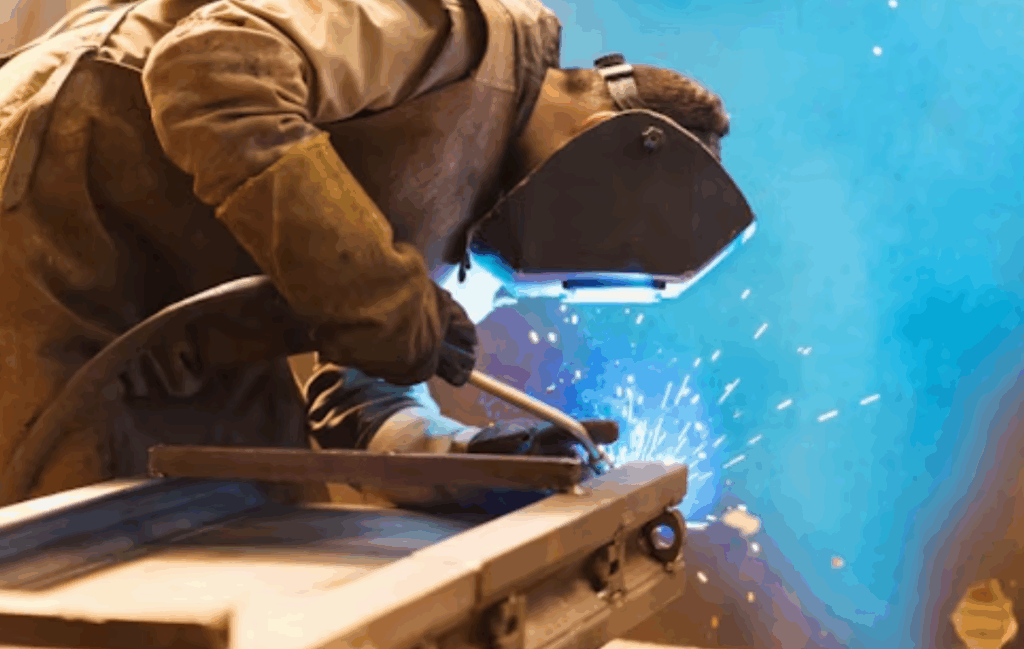
The right stick welder depends on the current type, amperage range, duty cycle, and portability.
AC vs DC Stick Welding Machines
- AC welders are usually more affordable and fine for basic tasks, but arc starts can feel harsher.
- DC welders offer smoother arcs, easier starts, and better control—especially with low-hydrogen rods like E7018.
Amperage and Material Thickness
- 90–140 amps: Light repairs and thin material
- 140–200 amps: General shop work and thicker mild steel
- 200+ amps: Heavy repair, structural welding, and long welds
Choosing too little power limits penetration. Too much power makes control harder and can increase spatter.
Duty Cycle and Portability
If you weld in short bursts, duty cycle matters less. For continuous work, a higher duty cycle prevents overheating. For field jobs, compact inverter welders are far easier to move than traditional transformer units.
Why Do Welding Leads and Grounding Matter So Much in SMAW?
Welding leads and grounding directly affect arc stability and weld penetration.
Welding Lead Size and Length
Long or undersized cables cause voltage drop and heat buildup. If you extend the lead length, increase the cable size to keep the current steady.
Electrode Holder Quality
A low-quality holder introduces resistance and heat. A properly rated stinger transfers current cleanly and improves control.
Ground Clamp Placement
Attach the clamp close to the weld area on clean metal. Poor contact leads to arc wandering, spatter, and inconsistent beads.
How Should You Handle and Store Stick Welding Electrodes?
Stick welding electrodes must stay dry to maintain strength and arc quality.
Rod Storage Containers
Sealed containers protect electrodes from moisture and dirt during transport and storage.
Rod Ovens and Dry Boxes
In humid environments, rod ovens maintain controlled temperature and dryness.
Low-Hydrogen Rod Moisture Control
Electrodes like E7018 absorb moisture easily. Damp rods can cause porosity, cracking, and weak welds, so proper storage matters most in structural and heavy repair work.
What Hand Tools Are Essential for Stick Welding?
Stick welding relies on hand tools for preparation and cleanup as much as for welding itself.
- Chipping Hammer: Removes slag after each pass so defects are visible early.
- Wire Brushes: Use carbon steel brushes for mild steel and stainless brushes only on stainless.
- Pliers and Clamps: Hold hot metal and keep joints aligned.
- Angle Grinder: Cleans rust, bevels joints, and smooths welds quickly.
- Grinding Wheels vs Flap Discs: Wheels remove material fast; flap discs offer better control and finish.
- Measuring and Layout Tools: Squares and markers help ensure accurate fit-up.
- Magnetic Holders: Helpful for setup, but avoid them on critical welds if they affect arc stability.
What PPE Is Non-Negotiable for Stick Welding?
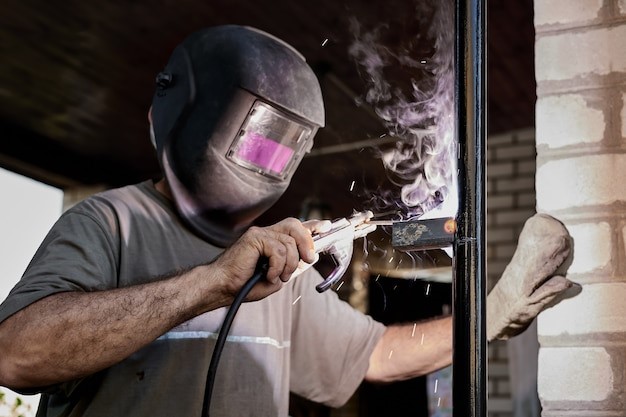
Proper PPE prevents burns, eye damage, and long-term health issues.
- Welding Helmet: Auto-darkening helmets improve visibility and productivity.
- Welding Gloves: Thick gloves protect against heat and spatter.
- Protective Clothing: Flame-resistant jackets, sleeves, and aprons block UV exposure.
- Safety Glasses: Protect against slag chips and grinding debris.
- Respiratory Protection: Needed in confined spaces or when welding coated metals.
- Hearing Protection: Helps protect you from grinder noise and repeated arc strikes.
How Do Stick Welding Tools Change by Use Case?
Tools for Beginners
Beginner setups focus on safety and easier arc control:
- Compact DC inverter welders
- Easy-starting electrodes like E6013
- High-quality helmets and gloves
Features like hot-start and arc-force can make learning smoother.
Tools for Outdoor and Field Welding
Field work prioritizes portability and durability:
- Lightweight inverter machines
- Long, heavy-gauge leads
- Weather-resistant grinders and accessories
Tools for Structural and Heavy Repair Work
Heavy work requires power and reliability:
- High-amperage welders
- Thick welding cables
- Heavy-duty electrode holders
- Reinforced grounding solutions
What Common Tool Mistakes Ruin Stick Welds?
Many welding problems come from equipment issues, not technique.
- Rod sticking: Low amperage or poor holder contact
- Unstable arc: Poor grounding or undersized leads
- Excessive spatter: Incorrect current or worn holders
- Slag inclusion: Slag not removed between passes
- Poor penetration: Low heat, damp rods, or poor joint prep
Fixing these issues often improves weld quality immediately.
Conclusion
Successful stick welding comes down to choosing the right tools, keeping them in good shape, and matching them to the job. SMAW is simple on paper, but every component—from the welder and leads to hand tools and PPE—affects arc stability and weld strength.
If you’re upgrading your setup, start with the parts that cause the most trouble in real work: leads, clamps, rod storage, and PPE. When you’re ready, YesWeder offers professional-grade SMAW equipment and accessories at wholesale and discounted pricing for different workloads and job environments.
FAQs
For a basic SMAW setup, you need a stick welder, an electrode holder, a ground clamp, welding leads, and stick electrodes. You’ll also want a chipping hammer, wire brush, and angle grinder for slag removal and joint prep, plus PPE such as a helmet, gloves, flame-resistant clothing, and safety glasses.
Some welders spray WD-40 to reduce rust during short-term storage, but it’s not recommended for welding. It can leave oily residue that contaminates the weld and increases the risk of porosity. A better approach is sealed storage, and for low-hydrogen rods like E7018, using a dry box or rod oven when moisture is a concern.
Stick welding is harder because you control arc length, travel speed, and electrode angle manually. Small setup issues—like damp rods, weak grounding, or the wrong amperage—can make the arc unstable quickly, even if your technique is decent.
Keep a short, consistent arc length, match amperage to electrode size, and keep a steady travel speed. Clean metal and solid grounding also matter more than most beginners expect.
Most E7018 electrodes run best between 90 and 180 amps, depending on rod diameter and position. A 1/8-inch (3.2 mm) 7018 rod commonly works well around 120–150 amps. Too low leads to sticking and weak penetration; too high increases spatter and makes the arc harder to control.