Welding in Extreme Environments gets harder the moment weather, moisture, poor footing, salt, dust, or tight access start affecting control. In real job-site conditions, those factors do more than make the work uncomfortable. They can disrupt shielding gas, raise shock and fire risk, damage equipment, and lead to weak welds before you catch the problem.
In this guide, we’ll break down what counts as an extreme environment, which hazards show up first, how to prepare the site, which welding processes hold up better outdoors, and when you should stop the job instead of pushing through.
What Counts as an Extreme Environment for Welding?
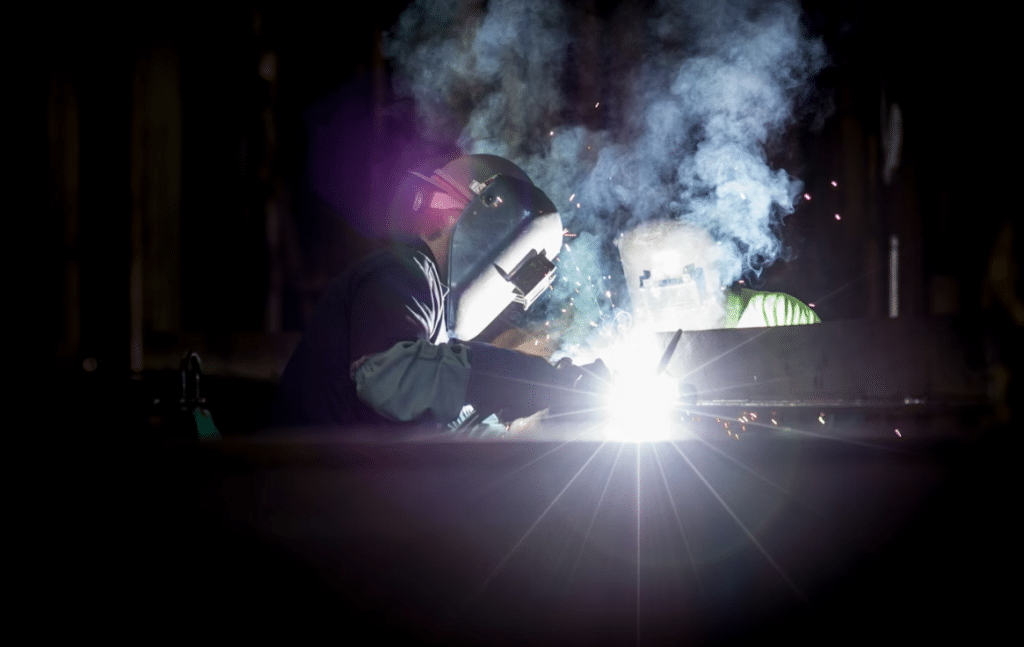
An extreme environment is any welding site where the weather, surface conditions, airflow, access, or contamination make the weld harder to control and the work less safe.
Heat, Cold, Moisture, and Wind
Heat, cold, moisture, and wind are the most common outdoor welding problems, and they rarely stay isolated. Heat wears you down faster than many welders expect, especially on long field jobs with heavy PPE. Cold reduces dexterity, slows reaction time, and makes puddle control less forgiving. Moisture raises shock risk and makes footing worse. Wind creates one of the biggest quality problems outdoors because it can strip shielding gas away before you notice the weld is already being affected.
Dust, Corrosion, Altitude, and Limited Access
Dusty sites, marine environments, elevated work areas, and tight-access spaces also count as extreme welding conditions. Dust and grinding fines can contaminate the joint. Salt air speeds up corrosion on cable ends, clamps, and exposed metal parts. High-altitude work adds fatigue and changing weather to the job. Confined or tight-access spaces create a different kind of risk because poor airflow, awkward movement, and delayed rescue can turn a routine weld into a serious safety issue.
Why These Conditions Change the Job So Fast
These conditions change the job fast because they affect more than one variable at the same time. You are not just managing the arc. You are also managing footing, visibility, cable safety, heat loss, contamination, ventilation, and worker fatigue. That is why an outdoor site can look manageable at the start of the shift and become unsafe an hour later.
Why Does Welding Become Harder and Riskier in Extreme Environments?
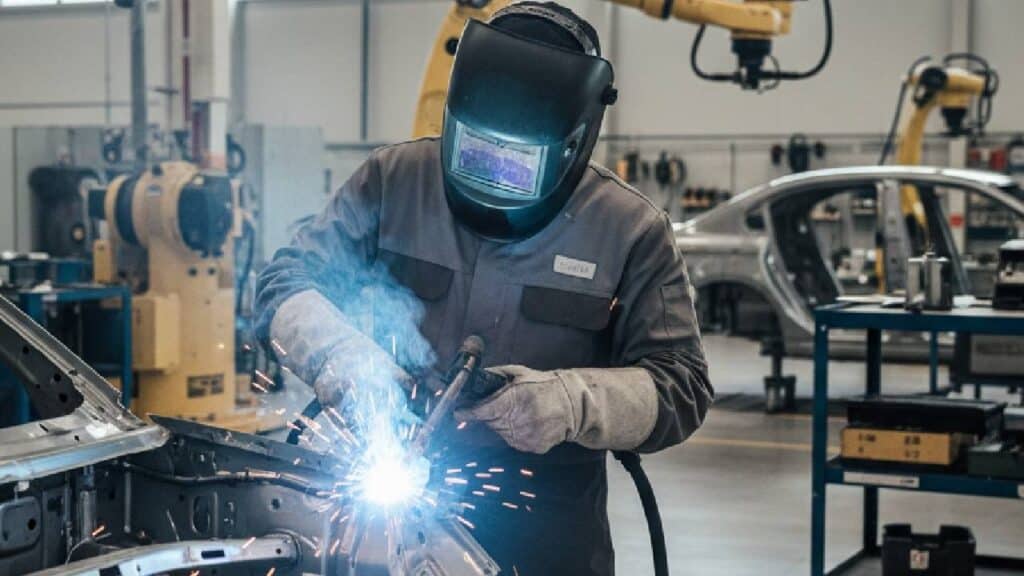
Welding becomes harder and riskier in extreme environments because the welder, the equipment, the base metal, and the consumables all become less predictable at the same time.
Workers Lose Focus Faster
Workers lose focus faster in heat, glare, cold, noise, and awkward body positions. That matters more outdoors because field welding usually demands more checking, more repositioning, and more adaptation than shop welding. Once fatigue starts showing up, skipped steps follow quickly. A missed cable check, a rushed restart, or one bad footing decision can be enough to create both a safety problem and a quality problem.
Equipment Behaves Less Predictably
Equipment also becomes less predictable when leads drag through dirt, connectors take repeated impact, or the power source sits near moisture and debris. In a controlled shop, you can often catch small issues early. On a rough site, the same issue gets worse faster because the environment keeps working against the setup.
Materials and Consumables React Differently
Base metals and consumables react differently outside, too. Cold steel pulls heat away from the weld and can make fusion harder to maintain. Damp filler, dirty wire, and poor joint prep increase the chance of porosity, unstable starts, and weak weld quality. That is why storage and handling matter more in harsh conditions than many crews first assume.
Weld Quality Gets Harder to Control
Weld quality gets harder to control because arc stability, puddle visibility, travel speed, joint cleanliness, and shielding conditions all become less stable. And once conditions start shifting, defects can show up fast. What looks like a small problem at the beginning of the pass can turn into rework later if you do not catch it early.
What Are the Main Safety Risks of Welding in Extreme Environments?
The main safety risks in extreme welding environments are fire, explosion, shock, fume exposure, burns, arc flash, poor visibility, slips, falls, and fatigue-related mistakes.
Fire and Explosion Hazards
Fire and explosion risks rise quickly when sparks reach combustibles, coatings, hidden residues, dry debris, or flammable vapors. This is especially important on repair jobs, outdoor maintenance work, and older structures where you cannot always see what is on the other side of the surface. A work area can look clear and still hold a serious fire risk if residues, insulation, or stored materials were never checked.
Electrical Shock Risks
Electrical shock risks increase when gloves are wet, leads are damaged, the ground is damp, or power connections are poorly protected. Even a simple setup becomes dangerous when water gets into the equation. Wet conditions do not just affect the machine. They also affect the worker’s footing, grip, and reaction time.
Fume Exposure and Ventilation Problems
Fume exposure and ventilation problems become much more serious in pits, tanks, marine spaces, and enclosed work areas. In those environments, the risk is not only what you are welding. It is also what the space allows to build up around you. Poor airflow, coatings, and restricted escape paths can all make hot work more dangerous than it looks at first.
Burns, Arc Flash, and Vision Hazards
Burns, arc flash, and vision hazards are constant welding risks, but harsh environments make them harder to manage. Glare, blowing dust, poor lighting, and awkward positioning can all reduce visibility. Once you lose a clear view of the puddle and the surrounding area, both safety and weld consistency start to suffer.
Slips, Trips, Falls, and Fatigue-Related Mistakes
Slips, trips, falls, and fatigue-related mistakes are common on muddy ground, uneven steel, ladders, grating, and cluttered access paths. Cables, hoses, wet surfaces, and loose debris can turn a normal movement into a bad fall. And once fatigue sets in, workers are more likely to skip checks, ignore changing conditions, or try to finish a pass they should have stopped.
How Should You Prepare the Worksite Before Welding Begins?
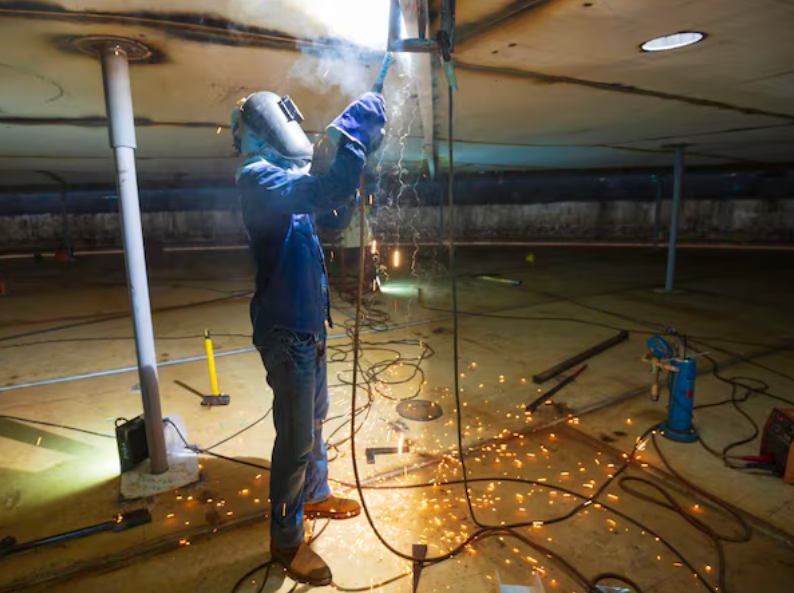
Prepare the worksite by making it stable, dry, fire-safe, easy to move through, and ready for emergency response before the first arc starts.
Assess the Site Before Setup
Assess the site before setup, not after the machine is already in place. Walk the area and check for standing water, poor footing, combustibles, overhead hazards, poor airflow, nearby traffic, and restricted movement. In confined or permit-controlled spaces, make sure the required testing and approvals are already handled before you treat the job as ready.
Stabilize the Ground and Work Area
Stabilize the ground and work area before you start laying leads and setting equipment. Use dry, level footing where possible, and secure platforms, boards, and supports so they do not shift during the job. If the welder cannot stand and move safely, the setup is not ready yet.
Remove Fire Risks and Protect Nearby Materials
Remove fire risks and protect nearby materials before welding begins. Move combustibles out of the area when possible. Cover what cannot be moved. And do not stop at what you can see directly in front of you. Check the other side of walls, floors, tanks, or panels too, because hidden materials and trapped residues are common reasons a job turns dangerous.
Route Cables, Hoses, and Power Safely
Route cables, hoses, and power safely so they stay clear of walk paths, traffic routes, sharp edges, and standing water. This sounds basic, but poor routing is one of the easiest ways to create avoidable injuries on outdoor and maintenance jobs. It also puts your equipment at risk before the weld even begins.
Keep Emergency Access and Communication Open
Keep emergency access and communication open throughout the setup. Leave exits clear, make sure someone can be reached quickly, and confirm that radios, phones, or standby support actually work at that location. In marine work, elevated work, and tight-access jobs, delayed communication can make a manageable incident much worse.
Quick Hazard-Control Reference for Extreme Welding Sites
Before you start welding, use this quick reference to check whether your setup is still safe and under control.
| Condition | What Can Go Wrong | What To Do |
| Strong wind | Shielding gas loss, spark spread | Use wind blocks or switch to a more shielded process like stick welding |
| Wet ground | Electrical shock, slips and falls | Stop work, dry the area, and inspect leads, connections, and power sources before restarting |
| Dust and debris | Joint contamination, weak fusion | Re-clean the joint right before welding and protect the area from blowing debris |
| Extreme heat | Fatigue, reduced focus, slower reaction | Add hydration, shade, and scheduled breaks before performance drops |
| Extreme cold | Stiff hands, poor puddle control | Keep materials dry, warm the work area if possible, and use preheat when required |
| Confined space | Fume buildup, delayed rescue | Test the atmosphere, ensure ventilation, and set up rescue and monitoring procedures |
Which Welding Processes and Technique Adjustments Work Best in Harsh Conditions?
The best welding process in harsh conditions is the one that keeps shielding, control, penetration, and weld quality stable on the actual site, not just the one that works best in a shop.
Match the Process to the Environment
Match the process to the environment first. A MIG welder can work well when conditions are controlled, and you need speed on clean material, but it becomes harder to trust once wind starts interfering with shielding gas. Stick welding is often the safer field choice for outdoor work, thicker steel, remote jobs, and less-than-perfect surfaces because it handles rougher conditions with fewer shielding problems. TIG welder still makes sense when precision, appearance, or cleaner thin material work matters most, but it is usually the least forgiving option in unstable outdoor conditions.
Use More Shielded Methods in Windy Areas
Use more shielded methods in windy areas because wind can hurt weld quality before the problem is obvious. If you cannot keep gas coverage stable, a gas-dependent setup becomes harder to justify. That is why many crews move toward stick welding or add wind control before they keep going.
Control Heat Input More Carefully in Cold Conditions
Control heat input more carefully in cold conditions. Cold base metal pulls heat away faster, which can make penetration and fusion less reliable. If the procedure calls for preheat, do not skip it just because the weld seems manageable at first. Cold-weather weld problems often show up later as weak starts, poor tie-in, or extra rework.
Watch Arc Stability and Travel Speed Closely
Watch arc stability and travel speed closely throughout the job. Wind, poor fit-up, changing temperature, and surface contamination can all shift puddle behavior faster outdoors than they do in a controlled shop. Small corrections early are easier than fixing defects after the joint has cooled.
Prepare the Joint More Carefully Than Usual
Prepare the joint more carefully than usual. Remove rust, dust, oil, paint, moisture, salt, and loose debris before you weld. In harsh environments, prep quality matters more because the site is already working against consistency. You do not have much margin left for dirty surfaces.
What Equipment, Consumables, and PPE Do You Need in Extreme Environments?
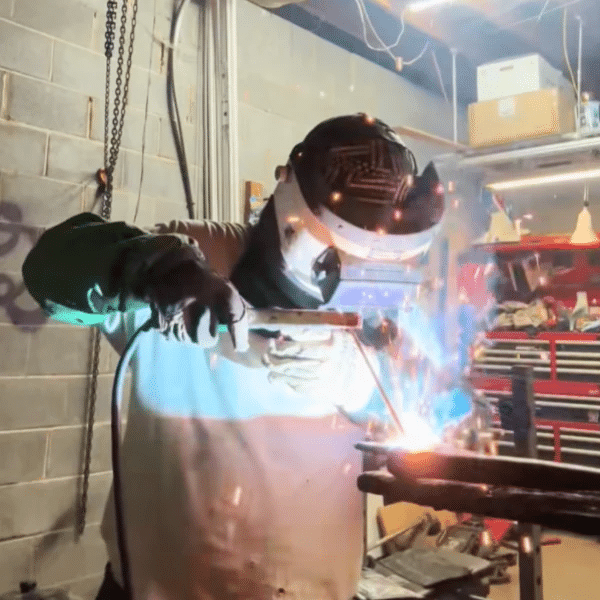
You need durable equipment, protected electrical connections, dry consumables, stable gas handling, and PPE chosen for both the welding process and the environment around it.
Choose Equipment That Can Handle Field Use
Choose equipment that can handle field use, not just basic welding output. Outdoor and harsh-site work puts more stress on casings, connectors, cables, switches, and cooling paths. If the machine can weld well in a clean shop but cannot hold up to dirt, impact, moisture, and repeated moving, it is the wrong fit for the job.
Protect Leads, Connectors, and Power Sources
Protect leads, connectors, and power sources before every shift starts. Inspect insulation, plugs, clamps, and machine casings for wear, cracks, or moisture exposure. Keep machines dry and elevated when the ground is wet, dirty, or uneven. A strong weld setup starts with safe power, not just the right amperage.
Store Electrodes, Wire, and Filler Materials Properly
Store electrodes, wire, and filler materials properly so they stay clean, sealed, and dry. Damp filler, dirty wire, and contaminated rods are easy ways to create avoidable defects outdoors. When the site already adds risk, poor storage only makes consistency harder.
Manage Gas Cylinders and Shielding Gas Carefully
Manage gas cylinders and shielding gas carefully. Secure cylinders upright, protect regulators and hoses, and recheck gas coverage whenever wind or setup changes. Shielding problems are easy to underestimate because the weld may look acceptable at first and still develop quality issues later.
Wear PPE That Matches the Environment, Not Just the Process
Wear PPE that matches the environment, not just the process chart. Gloves, helmet setup, jacket weight, footwear, and eye protection all need to match the heat, moisture, footing, and visibility on site. For example, glove choice affects both protection and control, while poor boot traction can turn a normal weld into a fall risk before the weld itself becomes the issue.
How Should You Weld in Hot or Cold Weather?
Weld in hot or cold weather by protecting the worker first, then adjusting the setup before fatigue, stiffness, or poor footing start affecting weld quality.
Heat Drains Energy and Focus Fast
Heat drains energy and focus fast, especially when the job already requires heavy PPE, awkward positioning, and repeated movement. The problem is not just discomfort. Heat-related fatigue slows decisions, shortens attention span, and makes workers more likely to miss changing hazards around them.
Hydration, Shade, and Break Timing Help in Hot Weather
Hydration, shade, and break timing help in hot weather because they protect judgment as much as they protect comfort. If breaks only happen after someone is already fading, the control problem has already started. Plan them early, not after quality begins slipping.
Cold Reduces Dexterity and Increases Slip Risk
Cold reduces dexterity, stiffens hands, and increases slip risk. That matters because cold-weather welding often demands steadier control at the same time the worker is losing fine hand movement. Add wet steel, frost, or poor footing, and a routine weld becomes less predictable very quickly.
Preheating and Dry Materials Improve Cold-Weather Results
Preheating and dry materials improve cold-weather results because they help maintain puddle control, improve fusion, and reduce cold-start defects. Dry welding gloves, dry filler, and dry base material matter too. In cold environments, a technically correct process can still go wrong if the setup stays damp and the material stays too cold.
What Challenges Do Wet, Marine, and Corrosive Environments Create?
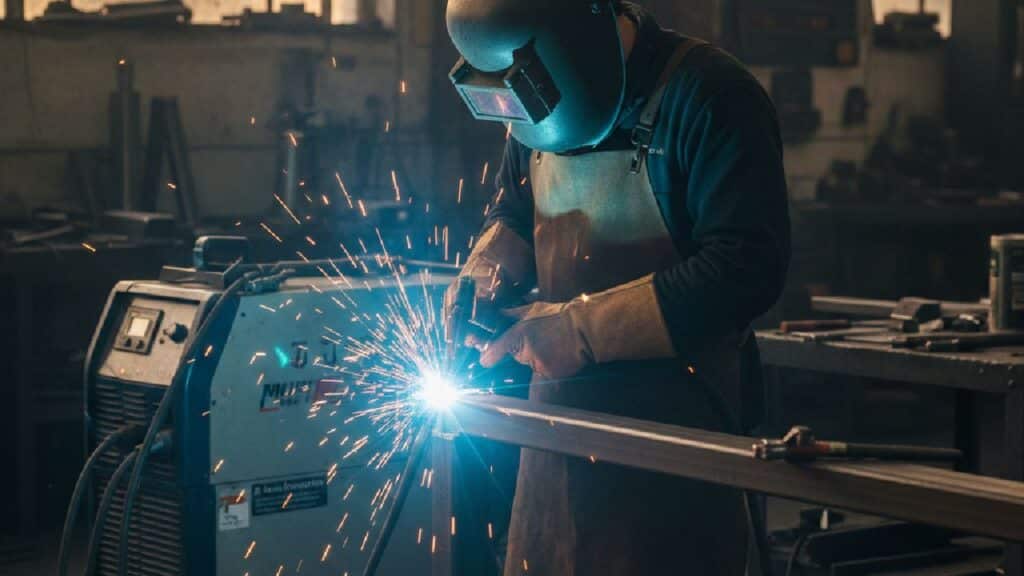
Wet, marine, and corrosive environments raise shock risk, accelerate equipment damage, and make clean, repeatable weld prep much harder.
Water Raises Shock Risk and Surface Problems
Water raises shock risk and surface problems immediately. Rain, condensation, spray, and splash zones can all affect footing, cable safety, insulation, and surface cleanliness. Once moisture reaches the wrong part of the setup, the job is no longer just inconvenient. It is a power and control problem.
Salt Speeds Up Corrosion on Equipment and Connections
Salt speeds up corrosion on connectors, clamps, cable ends, and exposed metal surfaces. Marine environments can shorten equipment life faster than crews expect if cleaning and inspection are inconsistent. A setup that looks usable at the start of the week may already be degrading underneath.
Contaminated Surfaces Hurt Weld Consistency
Contaminated surfaces hurt weld consistency because salt film, rust, oil, moisture, and surface residue interfere with clean fusion. Prep has to be more deliberate in these environments, especially when appearance, corrosion resistance, or repeatable quality matter. If the surface is not truly clean, the process choice matters less than most people think.
Access and Rescue Planning Matter More in Marine Work
Access and rescue planning matter more in marine work because ladders, narrow walkways, vessel movement, wet surfaces, and restricted paths can slow down response when something goes wrong. Jobs near water are not just about corrosion. They also change how quickly a worker can exit and how quickly help can reach them.
How Do Wind, Dust, Altitude, and Confined Spaces Affect Welding?
Wind, dust, altitude, and confined spaces affect shielding, contamination control, breathing safety, worker stamina, and emergency response.
Wind Disrupts Shielding Gas and Spreads Sparks
Wind disrupts shielding gas, changes arc behavior, and spreads sparks farther than expected. That creates both a weld-quality problem and a fire-risk problem. If wind control is inconsistent, the process choice may need to change, the setup may need barriers, or the job may need to pause. Speed stops mattering once gas coverage stops being reliable.
Dust and Debris Contaminate the Weld Area
Dust and debris contaminate the weld area by landing on the joint after prep is already finished. That is why outdoor welding often requires rechecking the surface right before the pass, not just cleaning it once at the beginning. Grinding fines, dirt, and blowing debris are easy ways to create avoidable defects.
High Altitude Increases Fatigue and Weather Uncertainty
High altitude increases fatigue and often makes weather shifts less predictable. Workers may tire faster, temperatures can change faster, and conditions that looked manageable in the morning may not stay stable later in the shift. A flexible plan matters more when the environment changes quickly.
Confined Spaces Need Ventilation, Monitoring, and Rescue Planning
Confined spaces need ventilation, atmosphere checks, monitoring, and rescue planning before hot work begins. In these spaces, the hazard is not only the weld itself. It is also the buildup of fumes, limited movement, restricted exits, and slower rescue. If those controls are not in place first, the space is not ready for welding.
When Should You Delay or Stop Welding?
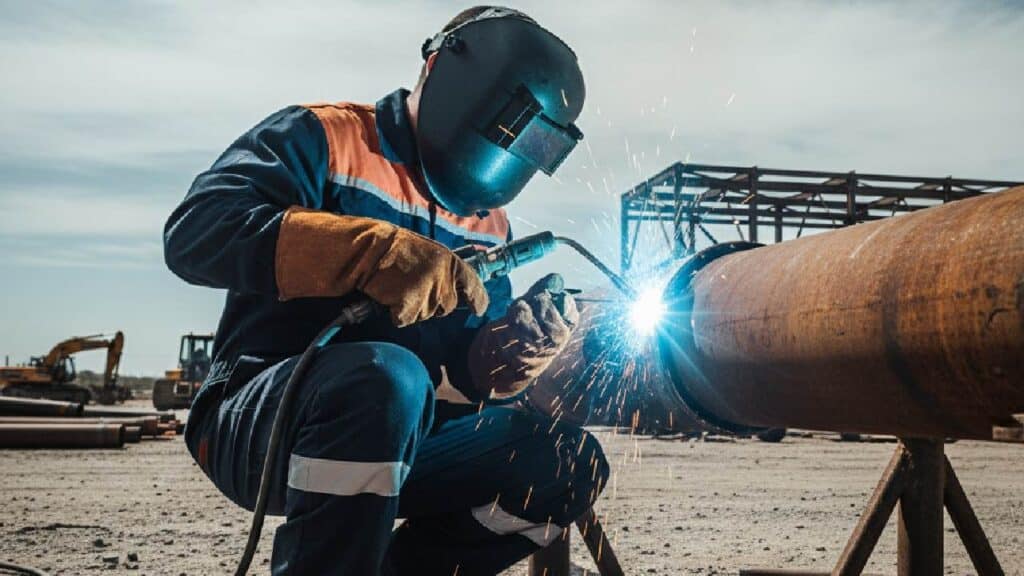
Delay or stop welding when control, visibility, electrical safety, site stability, or worker judgment drop below a safe level.
Stop if the weather or Visibility Breaks Control
Stop if the weather or visibility breaks control. Rain, rising wind, glare, blowing dust, or poor puddle visibility are enough to pause the job. If you cannot clearly see the weld and trust the setup, you should not keep pushing through it.
Stop if Water, Damaged Equipment, or Unsafe Power Conditions Are Present
Stop if water, damaged equipment, or unsafe power conditions are present. Wet electrical gear, exposed connections, damaged leads, and unstable power are not “work carefully” problems. They are stop-work problems.
Stop if Worker Fatigue Starts Affecting Judgment
Stop if worker fatigue starts affecting judgment. Shaking hands, skipped checks, slow reactions, poor attention, and frustration are all warning signs. On outdoor and high-risk jobs, fatigue does not stay personal for long. It turns into setup mistakes, bad movement, and avoidable defects.
Restart Only After Conditions Are Rechecked
Restart only after conditions are fully rechecked. Do not assume the site is safe again just because the rain eased up or the wind feels lighter. Recheck footing, power safety, gas coverage, visibility, and surface condition before the job resumes.
What Best Practices Help You Stay Safe and Keep Weld Quality Consistent?
The best practices are straightforward: plan for the site you actually have, inspect often, adjust early, and stop before small problems turn into unsafe ones.
Plan for the Environment Instead of Fighting It
Plan for the environment instead of fighting it. Choose your process, PPE, joint prep, and setup around the real site conditions, not the conditions you wish you had. Outdoor and harsh-site welding goes better when the plan fits the job from the start.
Check Equipment Before Every Shift
Check equipment before every shift. Look at leads, connectors, gas gear, machine condition, filler storage, and work surfaces before the first arc. A quick pre-shift check is cheaper than a failed weld, damaged machine, or stop-work incident later.
Reassess Conditions as the Day Changes
Reassess conditions as the day changes. Wind, temperature, moisture, glare, and footing can all shift during one job. Conditions that were acceptable in the morning may not stay acceptable through the afternoon.
Adjust Settings and Technique Early
Adjust settings and technique early when puddle behavior, shielding, visibility, or heat input start changing. Small corrections now usually save more time than rework later, especially on field jobs where repair takes longer.
Stop Before Small Problems Turn Into Unsafe Ones
Stop before small problems turn into unsafe ones. Good outdoor welding is not about proving you can work through anything. It is about knowing when the setup still supports safe, consistent results and when it no longer does.
Conclusion
Welding in Extreme Environments goes better when you treat weather, footing, contamination, equipment condition, and worker fatigue as part of the weld itself. The core rule is simple: choose a process that fits the site, prepare the joint more carefully than usual, protect power and consumables, and stop the job as soon as control starts slipping.
If you’re reviewing your current setup, start by checking whether your welding equipment, PPE, and field process choices actually match the conditions you work in most often. That is usually where safer welds and more consistent quality begin.
FAQ About Welding in Extreme Environments
Yes. Standard welding skills are not enough on their own when the job involves weather exposure, confined access, marine conditions, or unstable footing. In these environments, welders often need extra training on hazard recognition, hot work controls, emergency response, and site-specific procedures. If the work involves permits, confined spaces, or elevated structures, crews may also need additional certifications or supervisor sign-off before the job begins.
That decision usually belongs to more than one person. The welder should stop and report unsafe conditions as soon as control starts slipping, but supervisors, safety staff, and site managers also play a role in deciding whether the job can continue. On better-run sites, stop-work authority is shared, not pushed onto one person at the end of the chain. That makes it easier to pause the job before a small problem becomes an incident.
Yes, especially on larger projects, regulated jobs, or work that may need later quality review. A short record of weather, surface conditions, access limits, and any special controls can help crews stay consistent and show why certain decisions were made. It also helps when a weld needs inspection later, and someone asks whether site conditions may have affected the result. Good documentation is not paperwork for its own sake. It protects both quality tracking and jobsite accountability.
In many cases, yes. Welds made in unstable, dirty, wet, or high-wind conditions deserve closer review because there is less margin for hidden problems. Even when the weld looks acceptable at first glance, the site conditions may have increased the risk of contamination, poor fusion, or inconsistent penetration. That does not always mean advanced testing is required, but it does mean post-weld inspection should be taken more seriously instead of being treated like a routine final glance.
The best way is to solve part of the problem before the crew arrives on site. That includes planning the process early, checking equipment readiness, confirming PPE availability, reviewing access and rescue limits, and deciding whether the job should be delayed, shielded, or broken into safer stages. Companies that reduce risk well usually do not rely on welders to “figure it out live.” They remove avoidable uncertainty before the first arc starts.