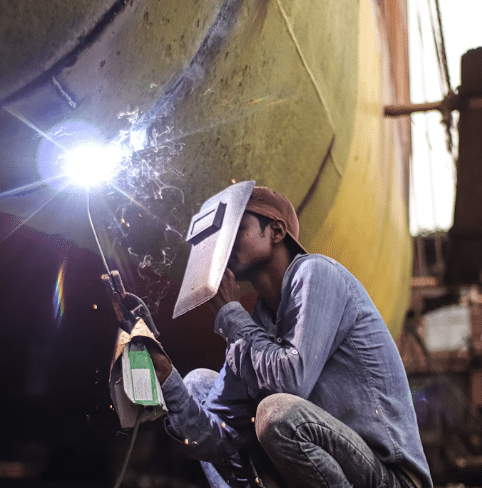
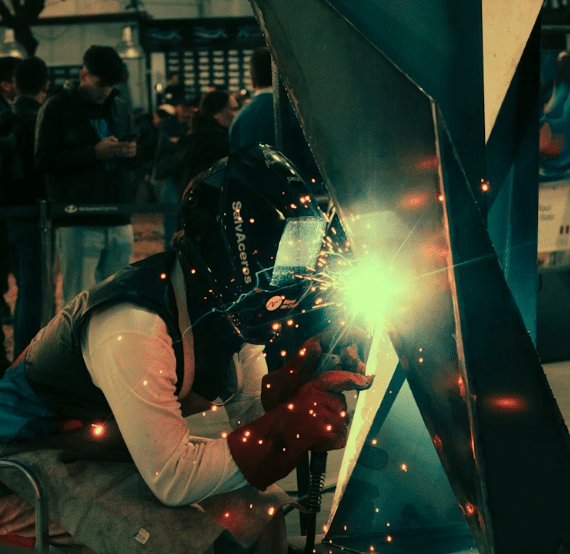
Are you looking for practical guidance on Safety Regulations in Welding? The short answer is simple: good welding safety rules help you prevent burns, electric shock, fire, and fume exposure before they injure someone or shut down your job.
In this guide, we’ll walk you through the emergency steps, PPE checks, and work-area controls that welders and supervisors should review before striking an arc.
Why Are Welding Safety Regulations Important for Emergencies?
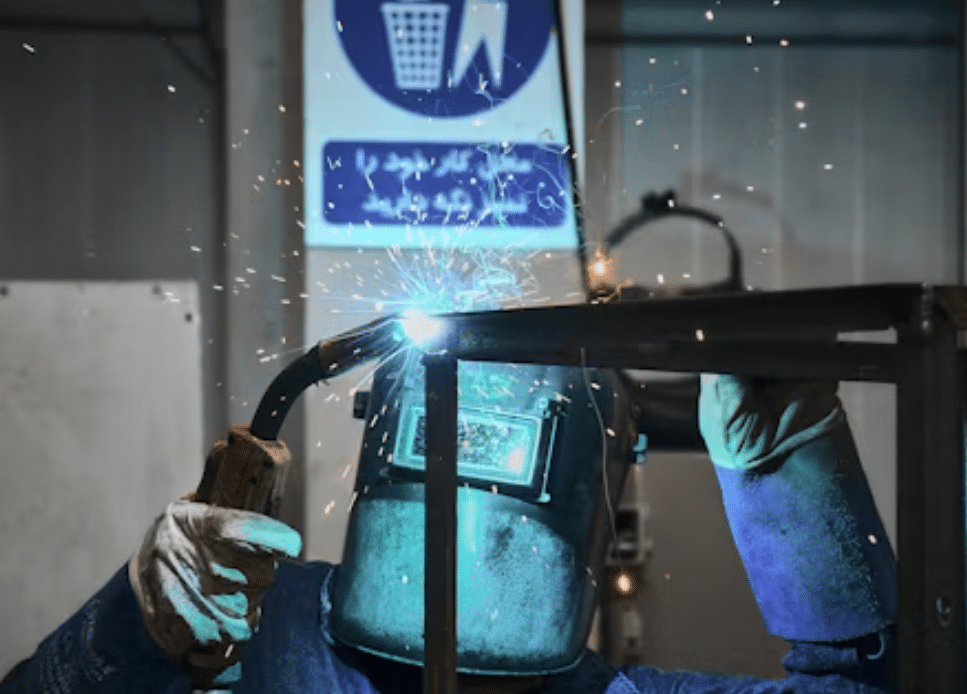
Welding safety regulations matter in emergencies because they tell your team what to do before a small mistake turns into an injury, fire, or full jobsite shutdown. They give welders and supervisors clear rules for handling hot work, controlling sparks, protecting against fumes, and responding fast when someone gets hurt.
On a busy job site, people do not have time to guess who cuts power, who grabs the extinguisher, or who calls for help. Good safety rules remove that confusion. They also support OSHA compliance by setting clear expectations for PPE, ventilation, fire prevention, equipment checks, and emergency response.
The Role of Regulations in Protecting Workers
Safety rules give your crew a shared playbook. Instead of guessing in the moment, you already know who cuts power, who grabs the extinguisher, who calls for help, and who clears the area. That makes a real difference on busy job sites where seconds disappear fast.
OSHA covers welding, cutting, and brazing in general industry, construction, and maritime work. It also requires extra fire protection in situations where more than a minor fire could develop. For example, combustible material should be moved at least 35 feet (10.7 m) from hot work when practicable, or protected with proper shielding, and a fire watch may be required when sparks can reach ignitable material.
When you follow these rules, you reduce confusion, speed up response time, and lower the chance of a second incident after the first one starts.
Legal and Financial Consequences of Non-Compliance
Ignoring welding safety rules can hurt people and disrupt the job at the same time. One preventable fire, electric shock, or fume exposure incident can lead to:
- OSHA Citations And Fines
- Worker Injury Claims And Medical Costs
- Project Delays And Lost Labor Hours
- Higher Insurance Pressure On Future Jobs
That is why good compliance is not just paperwork. It protects your crew, your schedule, and your margins.
What Are the Key Emergency Response Procedures for Welding Injuries?
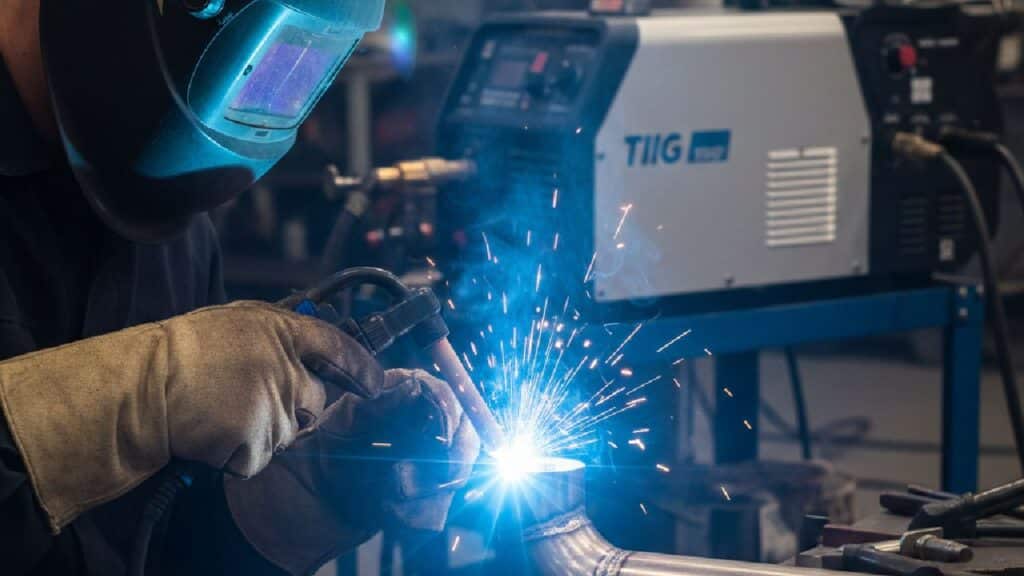
The key emergency response steps are simple: stop the hazard, protect the injured worker, call for help, and secure the area before work resumes.
Before you focus on the exact injury, use this order on site:
- Stop The Source: Cut electrical power, shut off fuel gas, or stop the welding operation.
- Secure The Area: Move nearby workers back and control sparks, hot metal, or leaking gas.
- Give First Aid Within Your Training: Start basic care only when the scene is safe.
- Call Emergency Services Early: Do not wait for the situation to “settle down” first.
- Report and Recheck the Area: Make sure no secondary fire, gas, or electrical risk remains.
How to Handle Welding Burns Immediately
Treat burns fast, but keep the first step simple. Cool the burned area with cool running water for about 10 to 20 minutes, remove rings or other tight items before swelling starts, and cover the injury with a clean, non-stick dressing. Get medical help right away for deep burns, large burns, facial burns, electrical burns, or burns that keep getting worse instead of easing.
What to Do in the Case of Electric Shocks
Treat electric shock as a medical emergency every time. Cut power first. Do not grab the worker until the power source is isolated. Then call emergency services, check breathing and pulse, and start CPR only if the scene is safe and you are trained to do it. Even when the worker looks alert, the incident still needs medical follow-up.
How to Respond to Fire and Explosion Risks
Respond to fire fast, but do not try to be the hero with a growing blaze. Use the correct extinguisher only if the fire is still small and you have a clear exit path. Shut down welding equipment, stop gas flow if it is safe, and clear the area.
This is where good pre-job control pays off. OSHA says combustible material should be moved at least 35 feet from hot work when practicable, and fire watch duties may be required when sparks can reach nearby material. OSHA hot-work guidance also says fire watch may need to continue for at least 30 minutes after the work ends when conditions call for it.
Quick Emergency Guide
| Emergency | First Action | What Not to Do |
| Burn | Cool With Running Water | Do Not Put Grease Or Ice On It |
| Electric Shock | Isolate Power First | Do Not Touch The Worker Before Power Is Off |
| Small Fire | Use The Right Extinguisher | Do Not Fight A Growing Fire Alone |
How Can Welders Protect Themselves with Personal Protective Equipment (PPE)?
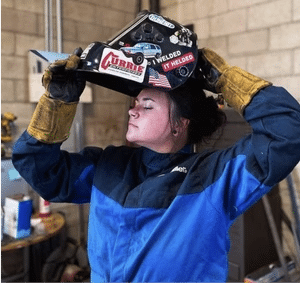
Welders protect themselves with PPE by using the right gear for the job, checking it before every shift, and replacing it before it fails.
What PPE Is Essential for Welding Safety?
Welding PPE should protect your eyes, lungs, hands, feet, and exposed skin. At a minimum, most welding jobs need:
- Welding Helmet With The Correct Lens Shade: Protects your eyes and face from arc radiation, sparks, and flying particles. OSHA requires a filter lens shade that matches the operation being performed, and primary eye protection still matters under the helmet.
- Flame-Resistant Gloves: Protect your hands from sparks, hot edges, and radiant heat.
- Flame-Resistant Clothing: Covers exposed skin and lowers the chance of burns.
- Leather Safety Boots: Protect your feet from slag, falling metal, and heavy tools.
- Respiratory Protection When Needed: Helps control fume exposure when ventilation alone is not enough.
Good PPE does more than meet a rule. It gives you a safer working margin when a weld spatters harder than expected or your position forces you closer to the heat than you planned.
How to Ensure PPE Is Properly Maintained
PPE only works if it is clean, intact, and ready before the shift starts. Check the following items before you weld:
- Helmet Lens And Headgear: Look for cracks, pits, cloudy vision, or a loose fit.
- welding gloves: Check for holes, burn-through, stiff spots, or split seams.
- Jackets, Sleeves, and Cuffs: Make sure there are no frayed edges or exposed skin gaps.
- Boots And Soles: Look for heat damage, weak stitching, or worn traction.
- Respirators: Check seal fit, filter condition, and replacement dates.
Replace the damaged gear right away. A worn glove, scratched lens, or weak respirator seal usually fails at the worst possible moment.
Why is Ventilation Important for Welding Safety?
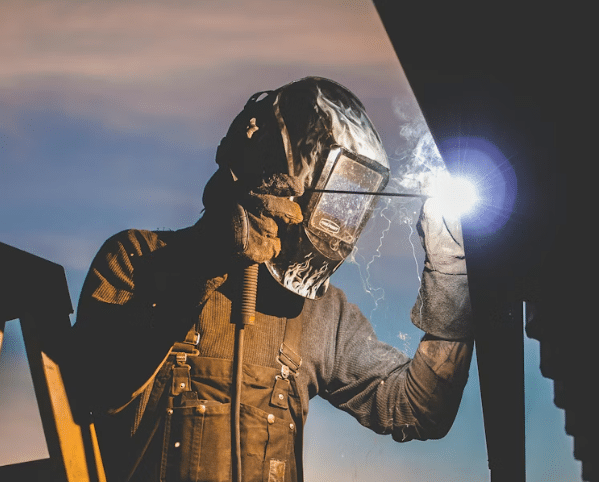
Ventilation protects welders by pulling fumes and gases away from the breathing zone before they build up around the arc.
How Can Poor Ventilation Affect Health During Welding?
Poor ventilation can hurt you fast and wear you down over time. OSHA says prolonged exposure to welding fume may cause lung damage, several types of cancer, metal fume fever, kidney damage, and nervous system damage. OSHA also warns that gases like helium, argon, and carbon dioxide can displace oxygen in enclosed spaces and create a suffocation hazard.
That risk gets even more serious when manganese is part of the fume. NIOSH says manganese exposure can affect mood, short-term memory, reaction time, and hand-eye coordination.
What Are the OSHA Guidelines for Fume Extraction Systems?
OSHA requires local exhaust or general ventilation systems to keep toxic fumes, gases, and dusts below allowed exposure limits. It also points to local exhaust ventilation as a key control method, especially when you need to capture contaminants close to the weld instead of letting them spread through the work area.
A practical welding ventilation routine should include:
- Place Exhaust Close To The Arc: Capture fumes near the source, not after they drift into your face.
- Keep Your Head Out Of The Plume: Position your body so the smoke does not rise straight into your breathing zone.
- Treat Confined Spaces As Higher Risk: Check airflow before welding and do not rely on “it feels fine in there.”
- Add Respiratory Protection When Needed: Use a respirator when ventilation alone cannot control the exposure level.
What Fire and Electrical Safety Measures Should Be Taken in Welding?
Welding, fire, and electrical safety start with three controls: clear combustibles, verify the machine and cables, and make sure someone can stop work the moment conditions change.
How to Prevent Welding-Related Fires
Prevent welding fires by making the area fire-safe before the first spark flies. OSHA says hot work should only be done in areas that are already fire safe or have been made fire safe by removing combustibles or protecting them from ignition sources. Fire watch is required when more than a minor fire could develop, including cases where appreciable combustible material is within 35 feet (10.7 m) or can still be ignited by sparks from farther away.
Fire watch is not a “stand there and hope” job. OSHA says fire watch personnel must keep monitoring the area for at least 30 minutes after hot work ends, and they must stop work if conditions change in a way that could help a fire spread.
A simple pre-weld fire check should cover:
- Combustibles Within 35 Feet
- Openings, Cracks, Or Hidden Spaces Where Sparks Can Travel
- Charged Extinguishers In The Right Location
- A Named Fire Watch When The Risk Calls For One
- A Clear Exit Path If The Fire Grows Beyond First Response
How to Handle Electrical Hazards in Welding
Electrical safety depends on inspection, grounding, and shutoff control before the arc starts. OSHA requires workers to check machine connections before operation, attach the work lead firmly, verify grounding of the machine frame, and make sure proper switching equipment is available for shutdown. It also says damaged insulation or exposed conductors must be replaced, wet machines must be dried and tested before reuse, and cables with splices within 10 feet (3 m) of the holder must not be used.
Use this quick electrical check before welding:
- Check Ground Connections
- Inspect Cable Insulation
- Confirm The Disconnect Switch Location
- Keep Electrode Holders Off Conductive Or Fuel-Related Surfaces
- Stop Using Any Machine That Shows A Defect Until Qualified Repairs Are Made
How Can Training Help Welders Respond to Emergencies?
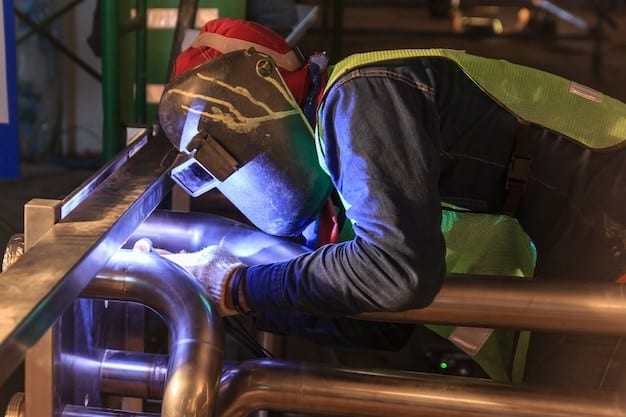
Training helps welders respond better in emergencies because it removes guesswork. People act faster when they already know the shutdown steps, the fire plan, and who is doing what.
What Are the Key Training Areas for Welding Safety?
OSHA says workers assigned to operate or maintain arc welding equipment must be acquainted with the applicable requirements for welding operations. OSHA also requires trained first-aid personnel and readily available first-aid supplies when a clinic or hospital is not in proximity to the workplace.
That means your welding safety training should cover more than “wear your welding helmet.” At a minimum, it should include:
- Hazard Identification Before Hot Work Starts
- Burn, Shock, And Fire Response Basics
- Ventilation And Confined-Space Awareness
- Machine Shutdown And Power Isolation Steps
- PPE Selection, Inspection, And Replacement
- Who Calls For Help, and Who Takes Control Of The Area
Why Are Regular Safety Drills Necessary?
Regular drills help your crew move in the right order under pressure. That matters because welding emergencies rarely happen in a calm classroom setup. They happen when people are busy, visibility is poor, and sparks are still flying. A short drill also exposes weak spots fast, like an extinguisher nobody can reach, a shutdown switch no one can find, or a fire watch who was never clearly assigned.
What Should a 5-Minute Pre-Shift Safety Talk Cover?
A quick pre-shift talk is one of the easiest ways to prevent confusion later. Cover these five items before work starts:
- Where The Hot Work Will Happen
- What Nearby Fire Or Fume Hazards Are Present
- Who is the Fire Watch Or Lead Responder
- Where The Extinguishers, First-Aid Kit, And Shutoff Points Are
- What Condition Would Stop Work Immediately
What Emergency Equipment Should Be Available on a Welding Site?
A welding site should have emergency equipment that matches the actual hazards on that job, not a generic box checked for paperwork.
What First Aid Equipment Is Needed for Welding?
OSHA requires adequate first-aid supplies to be readily available, and it requires trained first-aid personnel when a clinic or hospital is not near the workplace.
For most welding jobs, that means keeping these items close and easy to reach:
- A Stocked First-Aid Kit
- Sterile Dressings And Burn Covers
- Emergency Contact Numbers And Reporting Instructions
- CPR Barrier Equipment: If Your Team Is Trained To Use It
- An Eye Or Body Flushing Station Where Corrosive Materials Create That Exposure Risk
That last point matters. An eyewash or drench station is tied to exposure to injurious corrosive materials under OSHA 1910.151(c). It is not a blanket rule for every welding setup, so this part should match the chemicals and processes on site.
How to Choose the Right Fire Extinguishers for Welding Sites?
Choose extinguishers based on the fire hazard you actually face. OSHA notes that multi-purpose dry chemical extinguishers may be marked for Class A, B, and C use, while carbon dioxide extinguishers are intended for Class B and C fires only. OSHA also says CO2 extinguishers are not recommended for Class A fires because materials may keep smoldering and re-ignite, and they should not be used in a confined space while people are present without proper respiratory protection.
A simple rule for many welding areas is:
- Use ABC Dry Chemical Extinguishers For Mixed General Jobsite Hazards
- Use CO2 Extinguishers Where Electrical Or Flammable-Liquid Risks Make Sense
- Place Extinguishers Where The Crew Can Grab Them Fast Without Crossing The Fire
How Can Compliance with Safety Regulations Prevent Welding Accidents?
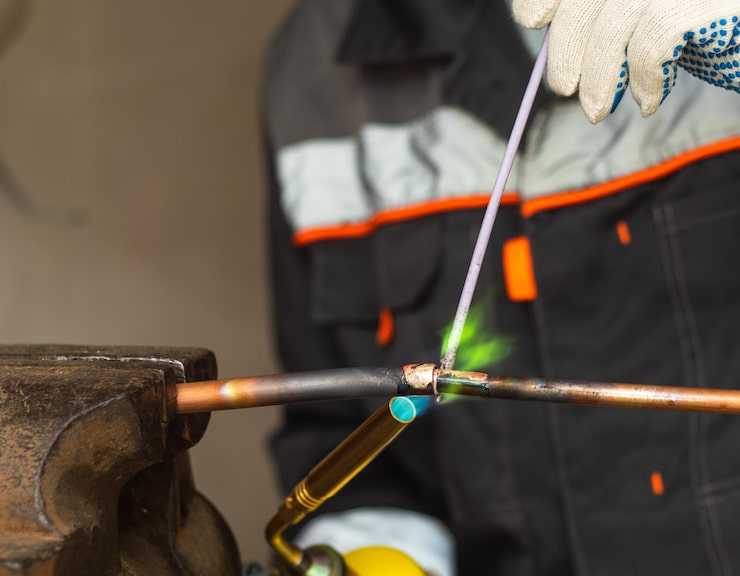
Compliance prevents welding accidents by turning safety from a good intention into a repeatable system. When your team follows written rules for hot work, PPE, ventilation, equipment checks, and emergency response, you cut down the chance of preventable injuries and jobsite shutdowns.
What Are OSHA’s Welding Safety Standards?
OSHA welding rules cover more than one topic. Depending on the work setting, employers may need to follow requirements tied to hot work fire prevention, arc welding equipment, first-aid readiness, eye and face protection, ventilation, and portable extinguishers. In the general industry, the main welding rules sit under 29 CFR 1910 Subpart Q, including 1910.252 for general welding, cutting, and brazing requirements and 1910.254 for arc welding and cutting. First-aid availability is covered under 1910.151, and portable fire extinguishers are covered under 1910.157.
How to Ensure Your Welding Operation Is Compliant with Regulations
A compliant welding operation checks the same basics every time instead of waiting for a close call. Use this short compliance routine before work begins:
- Review The Hot Work Area For Fire Hazards
- Confirm Combustibles Are Removed, Shielded, Or Properly Managed
- Inspect Cables, Grounding, Electrode Holders, And Shutdown Controls
- Verify PPE Matches The Welding Process And Site Conditions
- Check Ventilation Or Fume Extraction Before The Arc Starts
- Make Sure First-Aid Supplies And Extinguishers Are Ready
- Assign Fire Watch Or Emergency Roles When The Risk Calls For It
Quick Welding Compliance Checklist
| Hazard | Risk Level | Example | Control Measure |
| Burns | High | Contact With Hot Metal Or Spatter | Wear Flame-Resistant Gloves And Sleeves |
| Electric Shock | High | Damaged Cable Or Poor Grounding | Inspect Leads And Verify Ground Connections |
| Fumes | Medium To High | Indoor Or Enclosed-Space Welding | Use Local Exhaust And Respiratory Protection When Needed |
| Fire | High | Sparks Reaching Combustibles | Clear The Area And Assign Fire Watch When Required |
| Eye Injury | High | Arc Flash Or Flying Particles | Use A Welding Helmet And Proper Eye Protection |
Conclusion
Welding safety regulations help you control the risks that cause the most trouble on site: burns, electric shock, fumes, fire, and eye injuries. The main takeaway is simple. Check the work area before welding starts, use the right PPE, control fumes, and make sure your crew knows the emergency steps before anything goes wrong.
Before your next shift, review your hot work area, inspect your leads and grounding, confirm your ventilation setup, and make sure first-aid supplies and extinguishers are in place. That quick check takes far less time than dealing with an injury, a fire, or a full work stoppage.
If you are updating your welding process or training program, the next practical step is to build a written welding safety checklist that your crew can use before every job. That gives you a clear standard to follow instead of relying on memory when the site gets busy.
FAQs
The 7 main welding hazards are electric shock, fumes and gases, fire, explosion, burns, eye injury, and noise exposure. On some jobs, confined-space hazards and oxygen displacement can raise the risk even further.
The main welding safety standards usually include OSHA rules for hot work, arc welding equipment, ventilation, first aid, eye protection, and fire extinguishers. In the general industry, key OSHA rules include 1910.252, 1910.254, 1910.151, and 1910.157.
OSHA sets and enforces workplace safety rules that help protect welders from fire, electric shock, toxic fumes, unsafe equipment, and poor emergency preparation. It also covers how employers should manage hazards before hot work begins.
OSHA expects welders to use PPE that matches the hazard, including eye and face protection, flame-resistant gloves and clothing, and respiratory protection when ventilation cannot control fume exposure well enough. The exact setup depends on the welding process and the work environment.
The 5 biggest welding safety concerns are burns, electric shock, fumes, fire, and eye injuries. These are the risks most crews need to control before work starts with PPE, ventilation, equipment inspection, and fire prevention.
No. OSHA ties eyewash or drench equipment to workplaces where eyes or body may be exposed to injurious corrosive materials. Some welding operations may need one because of nearby chemicals or related processes, but it is not an automatic rule for every welding setup.
References / Sources
OSHA: Welding, Cutting, and Brazing – Standards
OSHA: 29 CFR 1910 Subpart Q – Welding, Cutting and Brazing
OSHA: 1910.252 – General Requirements
OSHA: 1910.254 – Arc Welding and Cutting
NIOSH: Welding Fumes and Manganese
NIOSH: NIOSH Pocket Guide to Chemical Hazards: Welding Fumes