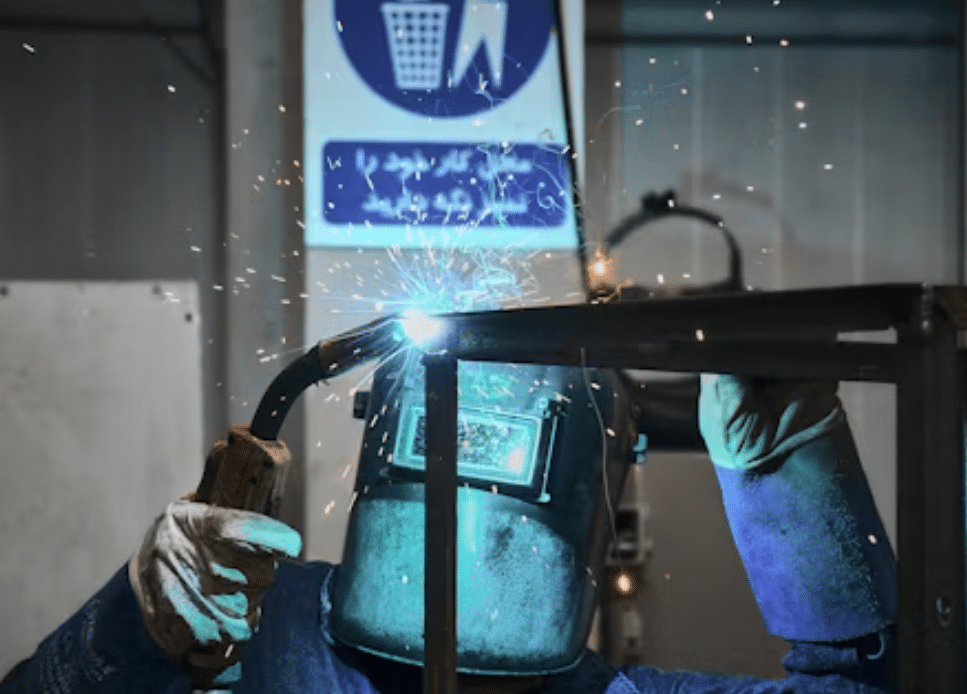
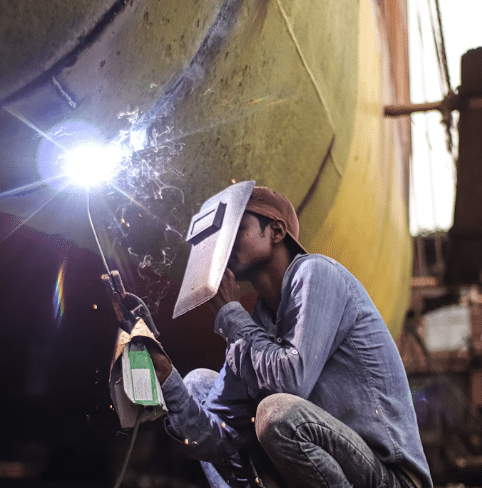
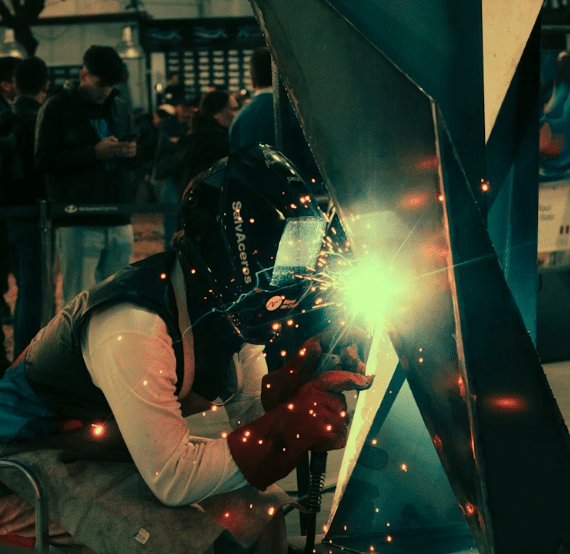
Maritime welding is the welding, repair, and maintenance work used on ships, offshore structures, marine piping, and other metal systems exposed to harsh marine conditions. If you are new to the topic, here is the short version: it is tougher than standard shop welding because saltwater, wind, confined spaces, and corrosion all work against you.
In this guide, we’ll walk through where maritime welding is used, which methods and materials fit different jobs, what safety issues matter most, and how welders build careers in this field.
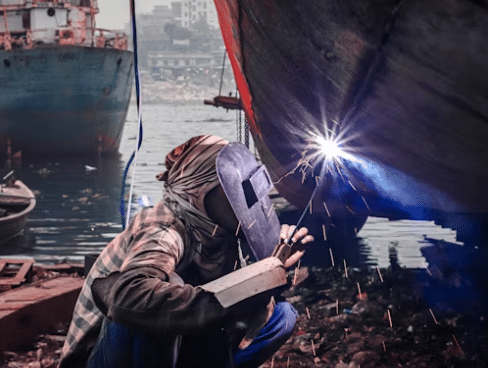
What Is Maritime Welding?
Maritime welding is the process of building, repairing, and maintaining metal structures that operate in marine environments. You see it in ships, barges, offshore platforms, port equipment, marine pipelines, and vessel repair work.
What makes it different is the service environment. Marine structures deal with salt, moisture, vibration, impact, and constant load changes. A weld that looks acceptable in a dry workshop may fail much faster at sea if the joint design, filler metal, surface prep, or corrosion protection is wrong.
That is why maritime welding is not only about joining metal. It is also about making sure the weld can survive real operating conditions for years, not just pass a quick visual check on day one.
Where Is Maritime Welding Used?
Maritime welding is used in shipbuilding, vessel repair, offshore energy work, marine piping, and port infrastructure. In simple terms, if a metal structure has to survive saltwater, heavy loads, and constant movement, welding is usually part of the job.
Shipbuilding and New Vessel Construction
Shipyards use maritime welding to assemble the main structure of a vessel from the ground up. Common jobs include:
- Hull Assembly: Weld large steel plates into the outer shell of the ship.
- Deck Fabrication: Build decks, equipment bases, and structural walkways.
- Bulkheads and Frames: Join internal supports that give the vessel strength.
- Section Joining: Connect prefabricated blocks during staged ship assembly.
This is some of the highest-volume welding in the marine sector. Long seams, thick material, and repetitive structural joints are part of the daily workload.
Vessel Repair and Dry Dock Work
Repair welding keeps working vessels in service and helps owners avoid bigger failures later. Common repair tasks include:
- Cracked Plating Repairs: Fix hull damage caused by stress, impact, or fatigue.
- Corroded Piping Replacement: Remove and replace pipe sections exposed to salt and moisture.
- Tank and Bulkhead Repairs: Restore leak-prone or weakened internal sections.
- Dry Dock Structural Work: Repair large hull areas when the vessel is out of the water.
This type of work often moves fast because every extra day in dry dock costs money. So yes, speed matters, but quality matters more.
Offshore Platforms and Marine Infrastructure
Offshore and coastal structures also depend on marine welding because they face heavy loads and constant weather exposure. Typical applications include:
- Offshore Platforms: Repair structural members, braces, and access systems.
- Marine Pipelines: Join or repair pipe sections that carry oil, gas, or process fluids.
- Port and Dock Structures: Maintain loading platforms, piles, ladders, and support frames.
- Coastal Equipment Bases: Weld frames and supports used in marine operations.
Underwater and Splash-Zone Repairs
Some maritime welding jobs happen below the waterline or in splash-zone areas where corrosion and access issues get worse. These jobs may involve:
- Underwater Repair Welding
- Patch Work on Damaged Hull Areas
- Emergency Stabilization Repairs
- Specialized Dry-Chamber Welding
Not every maritime welder works underwater, but underwater welding is part of the wider field. It is a niche path with extra training, tighter safety control, and much higher risk.
What Makes Maritime Welding Different From Regular Welding?
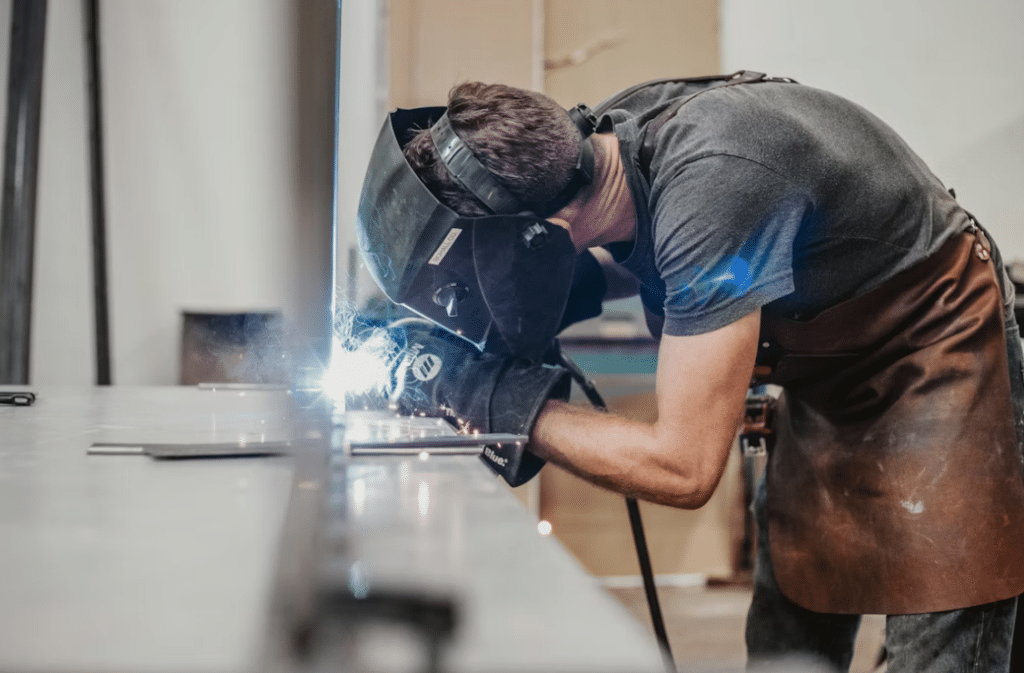
Maritime welding is harder than regular welding because the environment is rougher, corrosion is more aggressive, and weld failure can shut down expensive marine operations. You are not just making a clean joint. You are making a joint that has to hold up under vibration, pressure, impact, and years of exposure.
Marine Conditions Speed Up Damage
Saltwater, humidity, and constant wet-dry cycling accelerate corrosion. That means weld prep, filler selection, coatings, and post-weld protection all matter more in marine work than they do in many indoor fabrication jobs.
Access and Positioning Are Often Worse
Many marine jobs happen in awkward spots, including narrow compartments, elevated work areas, deck edges, and exposed offshore locations. Wind, moisture, limited visibility, and poor body position can all affect weld quality.
The Cost of a Bad Weld Is Higher
A weak marine weld can lead to leaks, shutdowns, rework, inspection failure, or structural damage. On a vessel or offshore platform, that does not stay a small problem for long.
Inspection Expectations Are Usually Stricter
Marine work often involves tighter inspection standards because the equipment carries people, fuel, cargo, or high-value systems. In other words, “good enough” is usually not good enough here.
What Materials Do Maritime Welders Work With?
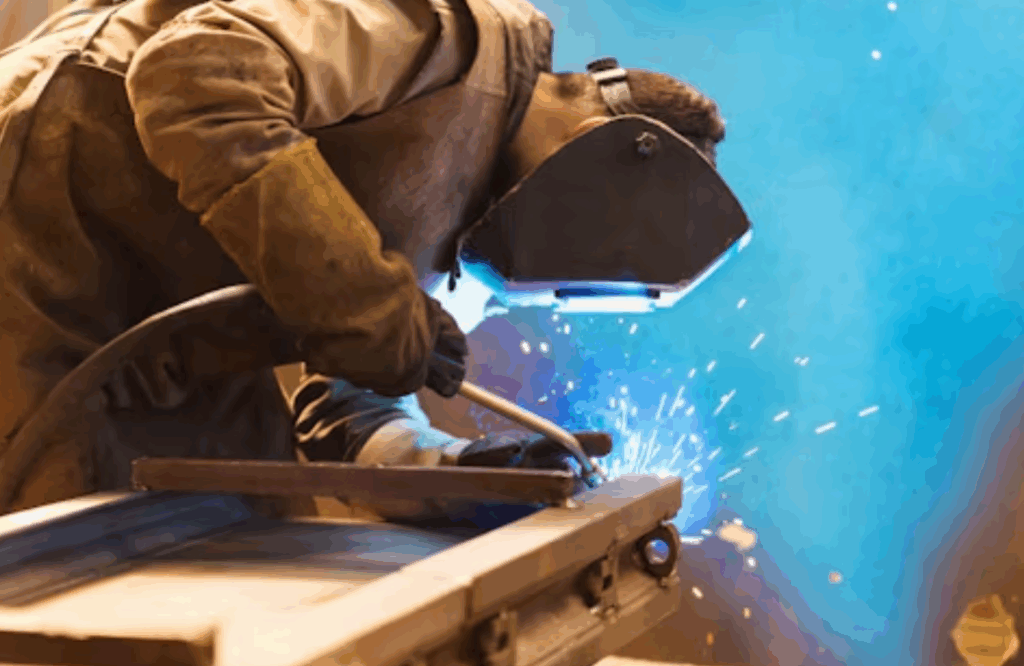
Maritime welders usually work with high-strength steel, aluminum, stainless steel, and other marine-grade alloys chosen for strength, corrosion resistance, or lower weight. The right material depends on where the part will be used, how much load it carries, and how aggressively the environment will attack it.
High-Strength Steel
High-strength steel is common in ship hulls, bulkheads, deck structures, offshore frames, and other heavy-duty sections. It handles load well, but it also needs proper surface prep and corrosion protection because marine exposure can wear it down fast.
Aluminum
Aluminum welding is widely used in smaller vessels, superstructures, patrol boats, ferries, and speed-focused marine builds. It helps reduce overall weight, which can improve efficiency and speed, but it also demands cleaner prep and tighter heat control during welding.
Stainless Steel and Marine Alloys
Stainless steel and corrosion-resistant marine alloys are common in piping, tanks, fittings, and exposed systems where rust resistance matters more. These materials usually cost more, but they can reduce maintenance needs in the right application.
Quick Material Guide
| Material | Where You’ll Often See It | Why It Gets Chosen |
| High-Strength Steel | Hulls, Bulkheads, Offshore Frames | Handles Heavy Loads and Structural Stress |
| Aluminum | Fast Boats, Superstructures, Light Marine Builds | Cuts Weight and Helps Efficiency |
| Stainless Steel | Piping, Tanks, Fittings, Exposed Systems | Resists Corrosion Better |
| Marine-Grade Alloys | Specialized Components and Harsh Exposure Areas | Balance Strength, Durability, and Service Life |
A practical way to read marine materials is this: steel usually carries the structure, aluminum helps cut weight, and stainless materials are often chosen where corrosion is harder to manage.
That is not the whole story, but it is a good starting point when you are learning how marine material selection works.
What Welding Techniques Are Common in Maritime Welding?
The most common maritime welding methods are SMAW, MIG, and TIG, and each one fits a different kind of marine job. The right choice depends on the material, joint type, work location, and how much speed or precision the job calls for.
Stick Welding (SMAW)
SMAW is common in marine repair work because it performs well outdoors and handles less-than-perfect surfaces better than many wire-fed processes. It is often used for:
- Dockside Repairs
- Structural Maintenance Work
- Offshore Repair Jobs
- Field Welding in Windy Conditions
It is not the fastest process, but it gives you more flexibility when the work area is rough and conditions are not ideal.
MIG Welding
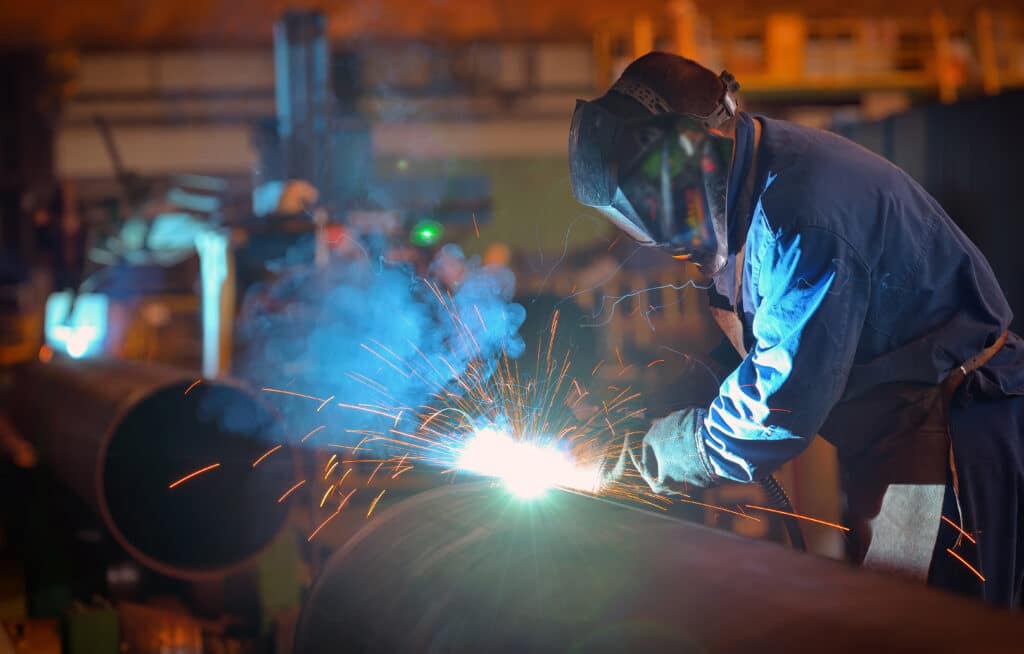
MIG welding is widely used in shipyards and fabrication shops because it helps welders move faster on long seams and repetitive production work. It is a strong fit for:
- Ship Section Fabrication
- Deck and Frame Assembly
- Long Production Welds
- High-Volume Shop Work
If the project involves repeated structural welding in a controlled environment, MIG is often the practical choice.
TIG Welding
TIG welding is used when control and weld appearance matter more than speed. It works well on thinner materials and critical joints, especially when cleanliness matters. Common uses include:
- Thin Aluminum Components
- Stainless Piping and Fittings
- Precision Marine Fabrication
- Critical Repair Areas
TIG takes more time, but it gives you cleaner and more precise results.
Quick Process Comparison
| Process | Best For | Main Strength | Main Limitation |
| SMAW | Outdoor Repair and Structural Maintenance | Handles Wind and Less-Clean Surfaces | Slower Production Speed |
| MIG | Shipyard Fabrication and Long Structural Welds | Faster Welding on Repetitive Work | Less Tolerant of Harsh Outdoor Conditions |
| TIG | Thin Materials and Precision Joints | Clean, Controlled Welds | Slower and More Skill-Intensive |
In day-to-day terms, SMAW fits rough repair work, MIG fits faster production welding, and TIG fits cleaner, more controlled jobs.
That is not every case, but it gives readers a practical starting point.
Is Underwater Welding Part of Maritime Welding?
Yes, underwater welding is part of maritime welding, but it is a specialized branch rather than the standard path for most marine welders. It combines welding skills with diving ability, jobsite coordination, and much tighter safety control.
Wet Welding
Wet welding happens directly in the water. It is usually used for urgent repairs, temporary fixes, or situations where taking the structure out of service is not realistic.
The main advantage is access. You can reach damaged areas without full dry docking or major disassembly. The tradeoff is that weld quality, visibility, and safety become harder to control.
Dry Chamber Welding
Dry chamber welding takes place inside a sealed habitat or chamber that keeps the weld area dry. It allows better control over the welding process and usually supports higher-quality results than wet welding.
This method is more complex and expensive, but it is often preferred when the repair is critical, and quality cannot be compromised.
Is Every Maritime Welder an Underwater Welder?
No. Most maritime welders work in shipyards, dry docks, fabrication shops, ports, and offshore topside areas. Underwater welding is a narrower niche that usually requires:
- Commercial Diving Training
- Specialized Welding Preparation
- Stricter Medical and Safety Standards
- Experience in High-Risk Marine Work
So yes, underwater welding belongs in the maritime welding field, but it should not define the whole profession.
What Working Conditions Do Maritime Welders Face?
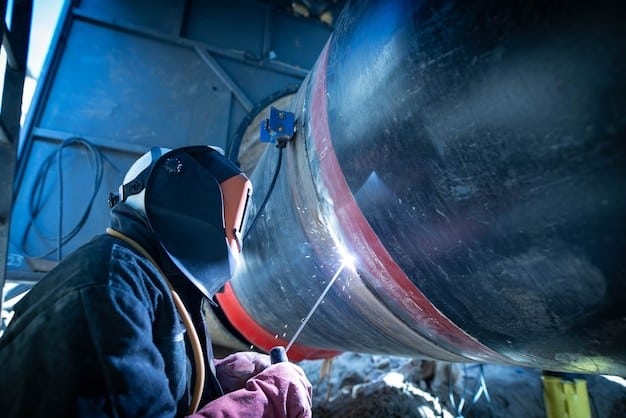
Maritime welders often work in confined spaces, exposed outdoor areas, elevated positions, and physically demanding environments that make both welding and safety control harder. In many cases, the challenge is not only the weld itself. It is the location, access, weather, and fatigue that come with it.
Confined Spaces
Marine welding often happens inside tanks, compartments, voids, and narrow structural sections. These areas can restrict movement and reduce airflow, which raises the risk of:
- Fume Buildup
- Low Oxygen Levels
- Poor Visibility
- Difficult Body Positioning
A weld may look simple on paper, but it feels very different when you are crouched inside a tight steel compartment with limited room to move.
Outdoor and Offshore Exposure
Many marine jobs happen on decks, docks, offshore platforms, or exposed repair sites. These conditions can bring:
- Wind That Disrupts Arc Stability
- Moisture That Affects Surface Condition
- Rain and Humidity That Increase Safety Risk
- Unsteady Footing on Marine Structures
This is one reason process choice matters so much in maritime welding. A method that works well in a shop may become frustrating fast in rough weather.
Work at Height and Awkward Access
Marine structures are large, and welders often need to climb, kneel, reach overhead, or work from platforms and scaffolds. That adds more stress to the job and increases the need for good positioning, fall protection, and planning.
Physical Demands
Maritime welding is physically demanding because it often involves carrying gear, moving around large structures, standing for long periods, and working in difficult positions. Over time, fatigue can affect weld quality just as much as poor technique can.
What Safety Protocols Matter in Maritime Welding?
The most important maritime welding safety protocols cover hot work control, ventilation, confined-space safety, fall protection, electrical safety, and proper PPE. Marine welding jobs can change fast, so safety is not something you check once and forget. You have to keep checking it as conditions change.
Fire and Hot Work Control
Marine welding creates sparks, slag, and heat near coatings, fuel systems, cables, and other materials that may catch fire. Before welding starts, crews should confirm:
- The Area Is Cleared of Flammable Materials
- Fire Extinguishers Are Ready
- A Fire Watch Is Assigned When Needed
- Hot Work Permission Has Been Approved
Ventilation and Air Monitoring
Ventilation is critical in ship compartments, tanks, and enclosed structures because fumes and gases can build up fast. Good safety practice includes:
- Using Forced Ventilation When Airflow Is Limited
- Monitoring Gas Levels in Enclosed Areas
- Stopping Work If Ventilation Fails
- Using Respiratory Protection Where Required
Fall and Electrical Safety
Many marine welders work at height or around damp conductive surfaces, so falls and electric shock are serious job-site risks. Basic controls include:
- Inspecting Cables and Equipment Before Use
- Keeping Electrical Gear as Dry as Possible
- Using Secure Platforms and Harnesses
- Avoiding Unsafe Work During Severe Weather
PPE for Maritime Welding
Maritime welders need PPE that matches both welding hazards and the surrounding environment. Standard protection usually includes:
- Welding Helmet With the Right Shade
- Flame-Resistant Clothing
- Welding Gloves
- Safety Boots
- Respiratory Protection
- Hearing Protection
Stop-Work Rules
Stop work immediately if any of the following happens:
- Gas Levels Become Unsafe
- Ventilation Stops Working
- Weather Reduces Control or Visibility
- Access Becomes Unstable
- Equipment Shows Unsafe Damage
- You cannot maintain a safe positioning
Maritime Welding Risk Table
| Hazard | Risk Level | What You Should Do |
| Fire and Sparks | High | Clear Flammables, Confirm Permits, Keep Fire Control Ready |
| Confined Spaces | High | Ventilate the Area and Monitor Air Conditions |
| Electric Shock | Medium to High | Inspect Cables and Keep Equipment Dry |
| Falls From Height | High | Use Fall Protection and Stable Work Platforms |
| Fumes and Gases | High | Maintain Airflow and Use Respiratory Protection |
| Weather Exposure | Medium to High | Pause Work if Conditions Reduce Safety or Control |
One thing worth stressing here: in maritime welding, a job does not stay safe just because it looked safe 20 minutes ago. Conditions change. That is exactly why stop-work discipline matters.
What Mistakes Cause Maritime Welds to Fail Early?
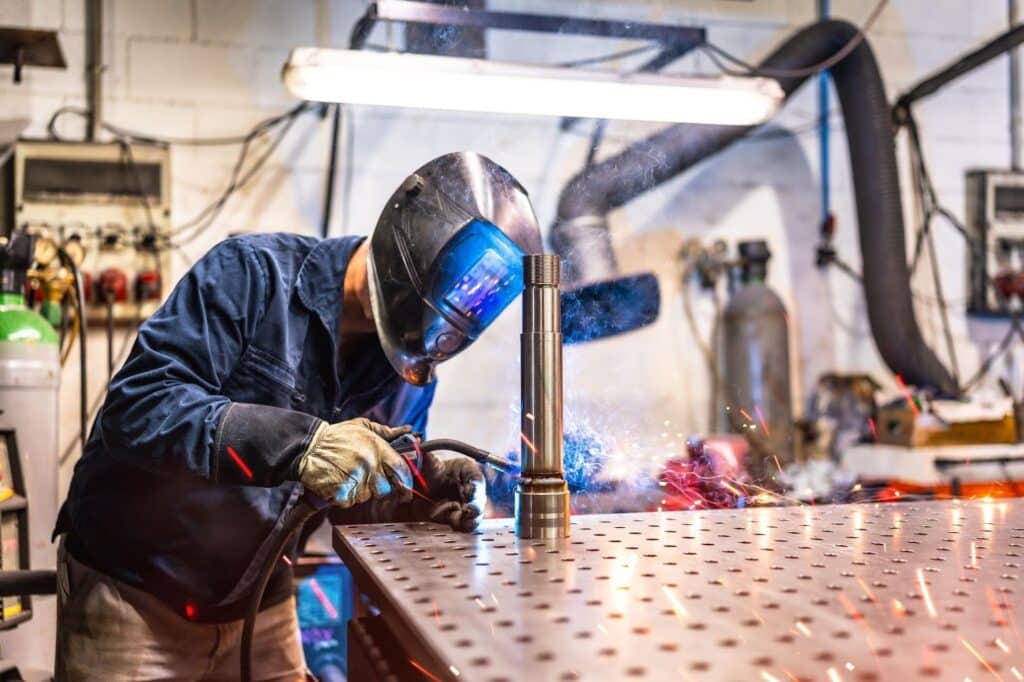
Maritime welds often fail early because of poor surface prep, bad material matching, weak corrosion protection, or unsafe jobsite decisions. In marine work, the weld itself is only part of the story. If prep, environment, or follow-up protection goes wrong, even a decent-looking weld can lose service life much faster than expected.
Poor Surface Preparation
Marine steel and aluminum do not forgive dirty prep. Salt residue, moisture, coatings, rust, and contamination can all weaken weld quality or create problems that show up later in service.
Wrong Filler or Process Choice
A weld may look acceptable at first and still be the wrong fit for the job. Problems usually start when the filler metal, process, or heat control does not match the base material, joint condition, or work environment.
Weak Corrosion Protection
In marine service, finishing steps matter almost as much as the weld itself. If post-weld cleaning, coating, sealing, or corrosion control is skipped, the joint may start breaking down much sooner than expected.
Rushed Field Decisions
Marine repair work often happens under schedule pressure. That is where mistakes creep in. Poor access, unstable footing, weak visibility, or bad weather can turn a “quick repair” into rework, or worse, a repeat failure.
Quick Failure Checklist
| Early-Failure Cause | What Usually Goes Wrong |
| Poor Surface Prep | Contamination, Moisture, Coatings, Rust |
| Wrong Filler or Process | Weak Compatibility With the Job or Material |
| Weak Corrosion Protection | Faster Breakdown in Saltwater Service |
| Rushed Repair Decisions | Lower Weld Quality and Higher Rework Risk |
What Certifications Do Maritime Welders Need?
Maritime welders usually need basic welding qualifications, employer weld tests, and, in some roles, extra certifications for offshore or underwater work. The exact requirements depend on the employer, project type, material, and job location.
Core Welding Qualifications
Most maritime welders start with standard welding training and qualification tests that prove they can produce sound welds in specific positions and on specific materials. In practice, employers often want proof that you can handle:
- Structural Welding
- Position Welding
- Process-Specific Work, Such as SMAW, MIG, or TIG
- Jobsite Safety Basics
A welder who passes one test is not automatically qualified for every marine job. Qualifications usually follow the work you will actually do.
Employer and Project-Specific Weld Tests
Shipyards, marine contractors, and offshore employers often run their own weld tests before hiring or assigning work. These tests may check:
- Weld Quality on Project Materials
- Position and Joint Type
- Visual and Destructive Test Performance
- Ability to Follow Procedure Requirements
This is common in marine work because companies want proof that your skills match their exact workload, not just a certificate from a previous setting.
Extra Requirements for Offshore or Underwater Roles
Some maritime roles need more than standard welding ability. For example:
- Offshore Welders may need extra safety or access training before working on marine platforms.
- Underwater Welders usually need commercial diving qualifications in addition to welding skills.
- Confined-Space Work may require an added permit and safety preparation depending on the site.
Quick Certification View
| Role Type | What You Usually Need |
| General Maritime Welder | Welding Training, Qualification Tests, Employer Weld Test |
| Shipyard Welder | Process Qualification Plus Yard-Specific Testing |
| Offshore Welder | Welding Qualification Plus Offshore Safety Requirements |
| Underwater Welder | Welding Skills Plus Commercial Diving Certification |
One simple takeaway: maritime welding qualifications are rarely one-and-done. As your work changes, your testing and approvals usually change too.
What Career Paths Can Maritime Welding Lead To?
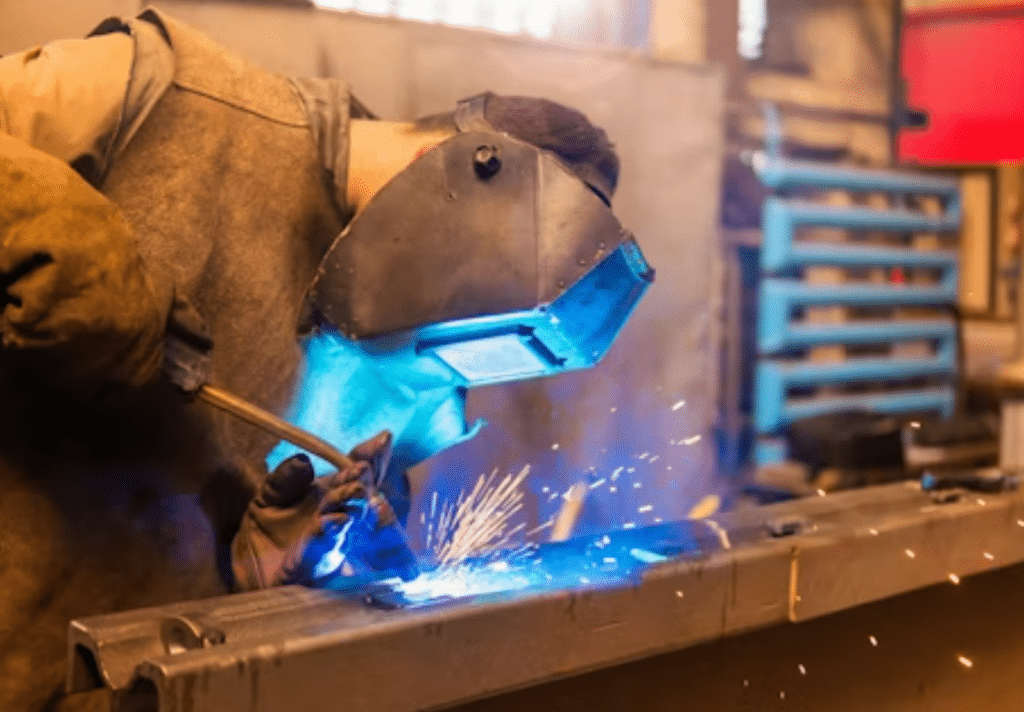
Maritime welding can lead to jobs in shipbuilding, repair work, offshore construction, marine fabrication, and specialized underwater operations. Most welders do not jump straight into the highest-risk roles. They usually build skills and site experience step by step.
Shipyard Welder
Shipyard welders build vessel sections, hull structures, decks, bulkheads, and large marine assemblies. This is often where welders gain strong production experience and learn how large marine builds come together.
Maintenance and Repair Welder
Repair welders fix damaged plating, worn structures, corroded pipe sections, and other parts that need to return to service. This path often suits welders who are good at troubleshooting and adapting to less predictable work.
Marine Fabricator
Marine fabricators build custom metal parts and support structures used in vessels, docks, ports, and marine facilities. This role may involve more fitting, layout work, and precision fabrication.
Offshore Welder
Offshore welders work on marine platforms and offshore structures where access, weather, safety, and logistics all get more demanding. This path usually builds on previous site experience rather than entry-level training alone.
Underwater Welder
Underwater welders perform repair or installation work below the waterline and usually need diving qualifications on top of welding ability. This is a specialized path with more risk, tighter safety control, and a narrower hiring pool.
Typical Career Progression
| Stage | Common Focus |
| Entry-Level Welder | Build Core Process Skills and Pass Basic Tests |
| Shipyard or Fabrication Welder | Gain Repetition, Structure Work, and Jobsite Discipline |
| Repair or Offshore Welder | Handle More Complex Access, Conditions, and Field Work |
| Specialized Marine Role | Move Into Underwater, Inspection-Related, or High-Skill Work |
Maritime welding is not one fixed job title. It opens into several paths, and the best fit depends on whether you prefer production work, repair work, offshore jobs, or specialized marine roles.
Why Is Maritime Welding in Demand?
Maritime welding stays in demand because marine equipment and infrastructure need constant construction, repair, and corrosion-related maintenance. Ships do not stop needing weld work after launch. In many cases, that is when the long maintenance cycle really begins.
Ongoing Vessel Repair Creates Repeat Work
Commercial vessels, workboats, ferries, barges, and support ships all need periodic repair. Hull damage, cracked structures, worn components, and pipe issues create steady welding demand over time.
Marine Corrosion Never Takes a Day Off
Saltwater exposure keeps attacking metal surfaces, joints, and systems. That means ports, ship owners, offshore operators, and marine contractors regularly need welding support for replacement and restoration work.
Offshore and Coastal Infrastructure Also Needs Welders
The demand does not come only from ships. Marine welding also supports:
- Offshore Platforms
- Port Equipment
- Dock and Pier Structures
- Marine Pipelines
- Coastal Industrial Facilities
Defense, Transport, and Energy Add More Work
Naval fleets, cargo transport, offshore energy, and coastal logistics all depend on metal systems that need inspection, repair, and fabrication. That keeps skilled marine welders valuable across several sectors, not just one.
One reason this field stays active is simple: marine structures operate in one of the harshest service environments there is. Wear, corrosion, and repair work never fully go away.
How Do You Become a Maritime Welder?
To become a maritime welder, learn the main welding processes, complete hands-on training, pass weld tests, and build experience in marine or structural work environments. Most people enter the field step by step rather than going straight into offshore or underwater roles.
1. Learn the Core Welding Processes
Start by building skill in the welding methods you are most likely to use in marine work, especially:
- SMAW
- MIG
- TIG
You do not need to master every process on day one, but you do need strong fundamentals in setup, weld control, safety, and joint preparation.
2. Get Hands-On Training
Join a welding school, technical program, apprenticeship, or employer training path that gives you real booth time and real feedback. Marine employers care about what you can actually weld, not what you only understand in theory.
3. Pass Qualification or Employer Tests
Once your basic skills are solid, you will usually need to pass qualification tests or employer weld tests. These help prove you can handle the materials, positions, and weld quality standards required on the job.
4. Build Experience in Marine or Structural Work
Many maritime welders start in shipyards, fabrication shops, repair yards, or structural welding roles before moving into more demanding marine positions. This stage helps you develop pace, consistency, and job-site awareness.
5. Add Higher-Level Skills Over Time
As you gain experience, you can move into more specialized work by adding skills such as:
- Confined-Space Readiness
- Offshore Work Preparation
- Advanced Material Handling
- Precision Repair Work
- Commercial Diving: If You Want to Pursue Underwater Welding
A practical way to think about it is this: first learn to weld well, then learn to weld well in harsh marine conditions. The second part is what turns a general welder into a maritime welder.
Final Thoughts on Maritime Welding
Maritime welding covers far more than underwater work. It includes shipbuilding, marine repair, offshore structures, piping systems, and port-related fabrication, all in environments that are harder on both metal and welders.
If you remember three points from this guide, remember these: marine conditions change how you weld, process, and material choice both affect long-term performance, and safety discipline is part of the job every single day.
If you are choosing equipment for shipyard work, marine repair, or offshore fabrication, start by matching your welding machine and welding equipment supplier, accessories, and safety gear to the process, material, and jobsite conditions you actually handle. That is the move that helps you work more safely, more consistently, and with less rework.
Frequently Asked Questions
No. Underwater welding is one specialized branch of maritime welding, but most maritime welders work in shipyards, repair yards, ports, and offshore topside roles.
No. Many maritime welders work on land in shipyards, dry docks, fabrication shops, and coastal repair facilities.
Not in most roles. Diving certification is usually only required if you plan to move into underwater welding or related subsea work.
No. Repair, corrosion control, retrofits, and marine maintenance create steady demand long after a vessel enters service.
Common titles include shipyard welder, marine fabricator, repair welder, offshore welder, and underwater welder.
There is no single answer for every job, but SMAW, MIG, and TIG are the methods most often used across marine repair, fabrication, and precision work.