Looking for a welding machine that gets the job done without draining your budget?
Affordable welding machines are ideal for home repairs, small fabrication jobs, gates, frames, and light workshop projects. You don’t need an expensive industrial unit to weld thin steel or fix a trailer. Many modern budget welders now use inverter technology, which means stable arc control, lower power use, and better portability at a much lower cost.
In this guide, we’ll explain what to look for, common buying mistakes, and the best affordable MIG, TIG, and Stick welders you can buy right now.
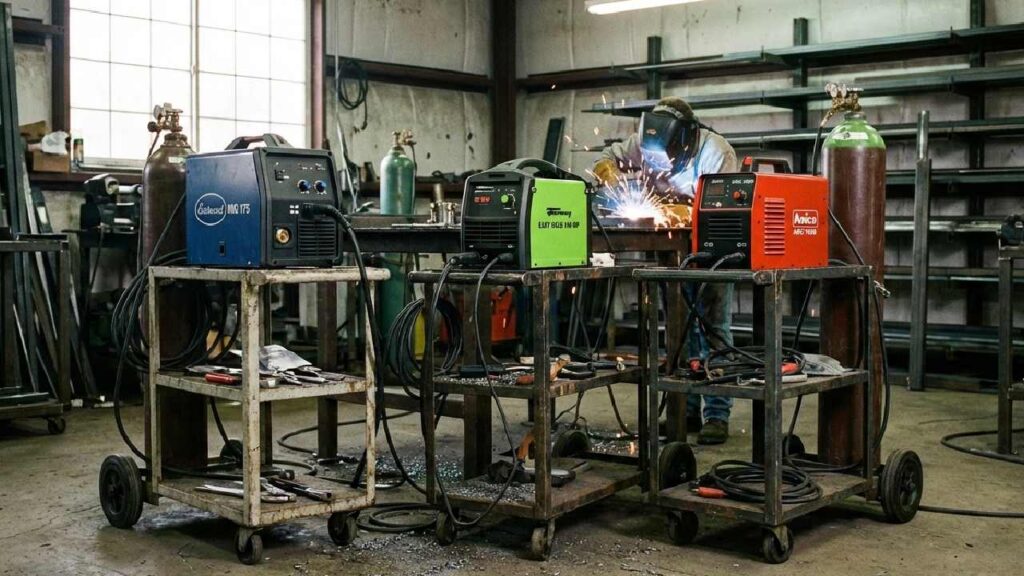
Are Affordable Welding Machines Worth Buying?
Yes — if you handle light-to-medium welding tasks, a budget welder is more than enough.
Most home users weld sheet metal, repair brackets, build fences, or patch equipment. A 110V–140A welder handles these jobs without trouble. Spending double on industrial features you’ll never use won’t improve your weld quality.
Today’s affordable welders typically cost between $150 and $600, and many offer:
- Stable Arc Performance: Helps beginners avoid sticking rods or uneven beads
- Lower Power Consumption: Inverter models use less electricity than old transformer units
- Lightweight Design: Many weigh under 30 lbs for easy transport
- Built-In Thermal Protection: Prevents overheating during longer sessions
If you’re just starting, a budget welder lowers the barrier to entry. You can learn, practice, and upgrade later once your projects grow.
Which Type of Welding Is the Cheapest?
Stick welding is usually the cheapest way to start welding.
Stick welders often cost less upfront, and you don’t need shielding gas, regulators, or bottles. Electrodes are inexpensive and widely available. That keeps startup costs low.
Here’s a simple cost comparison:
| Welding Type | Equipment Cost | Extra Equipment | Learning Difficulty | Typical Use |
| Stick | Lowest | Electrodes only | Moderate | Outdoor, thicker steel |
| MIG (Gasless) | Low–Moderate | Flux-core wire | Easy | DIY, home projects |
| MIG (Gas) | Moderate | Gas tank + wire | Easy | Clean indoor welds |
| TIG | Highest | Gas + accessories | Hard | Precision work |
If your priority is lowest cost, stick welding wins. If you want easier learning, MIG may justify the slightly higher price.
Which Welding Machine Is Best for Beginners?
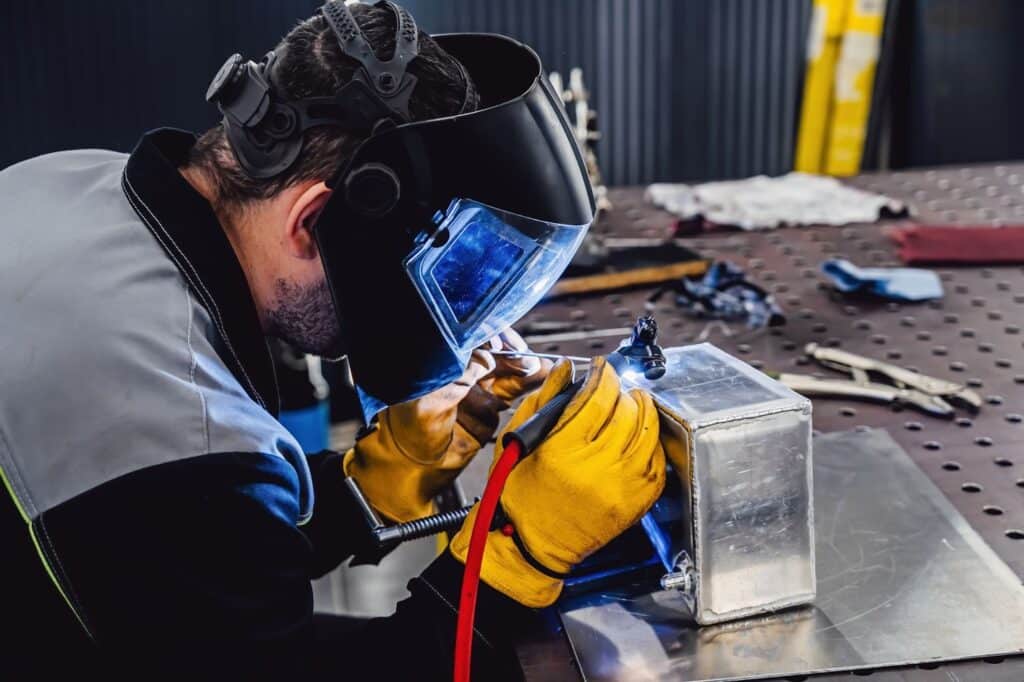
For most beginners, a 110V MIG welder is the easiest and least frustrating option.
MIG welder feeds wire automatically, which helps maintain a stable arc. You focus on positioning and movement instead of constantly controlling the electrode. That reduces mistakes during early practice.
Stick welding costs less but requires more coordination. TIG welding delivers beautiful results but demands the most control.
If your goal is faster progress and smoother early welds, MIG is usually the better starting point.
What Features Should Affordable Welding Machines Have?
Choose a budget welder based on amperage range, duty cycle, input voltage, and safety protection.
These factors directly affect what you can weld and how comfortably you can work.
Amperage Range
Amperage determines how thick a metal you can weld.
- 30–140A: Ideal for thin steel, exhaust systems, brackets, and light repairs
- 140–200A: Suitable for thicker plates and small structural work
Most home users stay within the 90–140A range. Buying a 250A machine “just in case” usually means paying for power you won’t use.
Duty Cycle
Duty cycle tells you how long you can weld before the machine needs to cool.
For example, a 20% duty cycle at 140A means you can weld for 2 minutes out of every 10 minutes. That’s completely fine for hobby projects. If you plan continuous or commercial work, look for 40% or higher.
Ignoring the duty cycle is one of the fastest ways to overheat a machine.
Input Voltage
Voltage affects where and how you can use your welder.
- 110V: Works with standard household outlets
- 220V: Provides more power for thicker materials
- Dual Voltage: Offers flexibility between home and workshop
Always confirm your available outlet before ordering.
Portability
Lightweight inverter welders are easier to store and move. Some models weigh under 25 lbs and include shoulder straps (your back will thank you).
If you plan to move between the garage, driveway, or job site, portability matters more than you think.
Safety Features
Always choose a unit that includes:
- Overload Protection: Prevents internal damage
- Thermal Shutdown: Stops overheating automatically
- Efficient Cooling Fan: Maintains internal stability
Saving a small amount by skipping safety protection is rarely worth the risk.
Which Affordable MIG Welding Machines Offer the Best Value?
MIG welders are popular because they’re easier to learn and produce clean welds quickly.
If you want fast setup and smooth wire feeding, MIG is usually the best starting point.
Lincoln Electric K2185-1
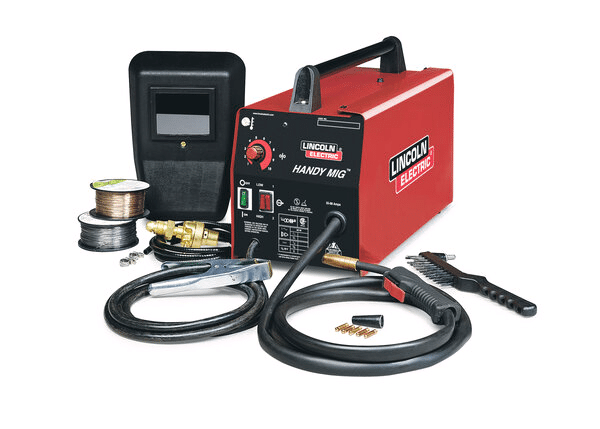
This 140A MIG welder runs on 115V and works well with flux-core wire.
It’s compact, easy to set up, and produces consistent arc performance. Beginners appreciate its predictable output, especially when welding thin steel.
Best For: Home garage repairs and light fabrication.
Hobart Handler 140
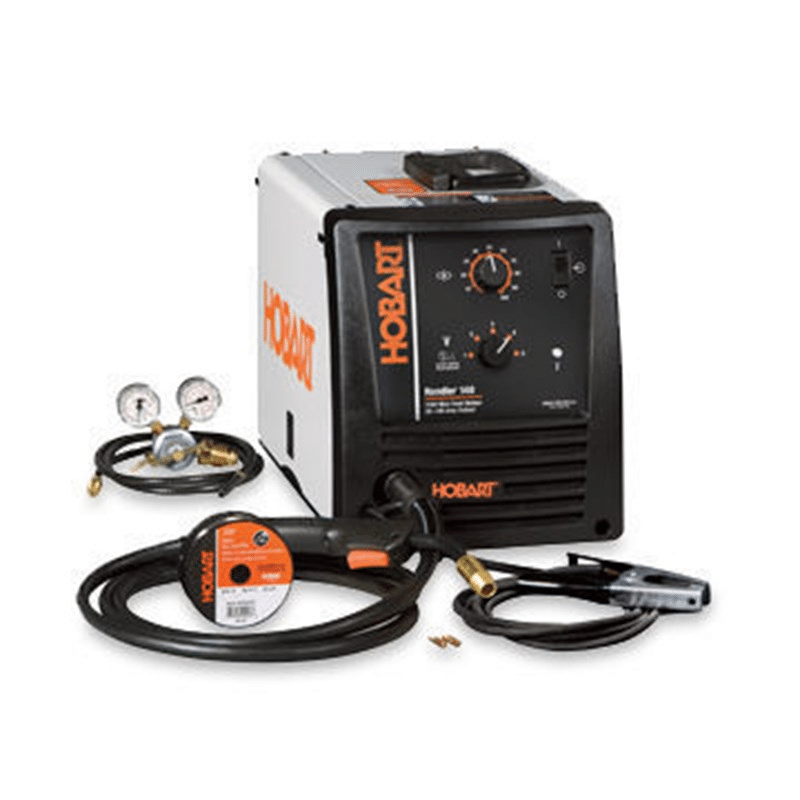
The Hobart Handler 140 delivers 140 amps on 115V and welds steel up to ¼ inch thick.
Arc performance feels smooth, and controls are easy to adjust. It supports both MIG and flux-core welding, giving you flexibility without complexity.
Best For: DIY users working on vehicle panels and small shop projects.
YesWelder MIG-205DS Pro
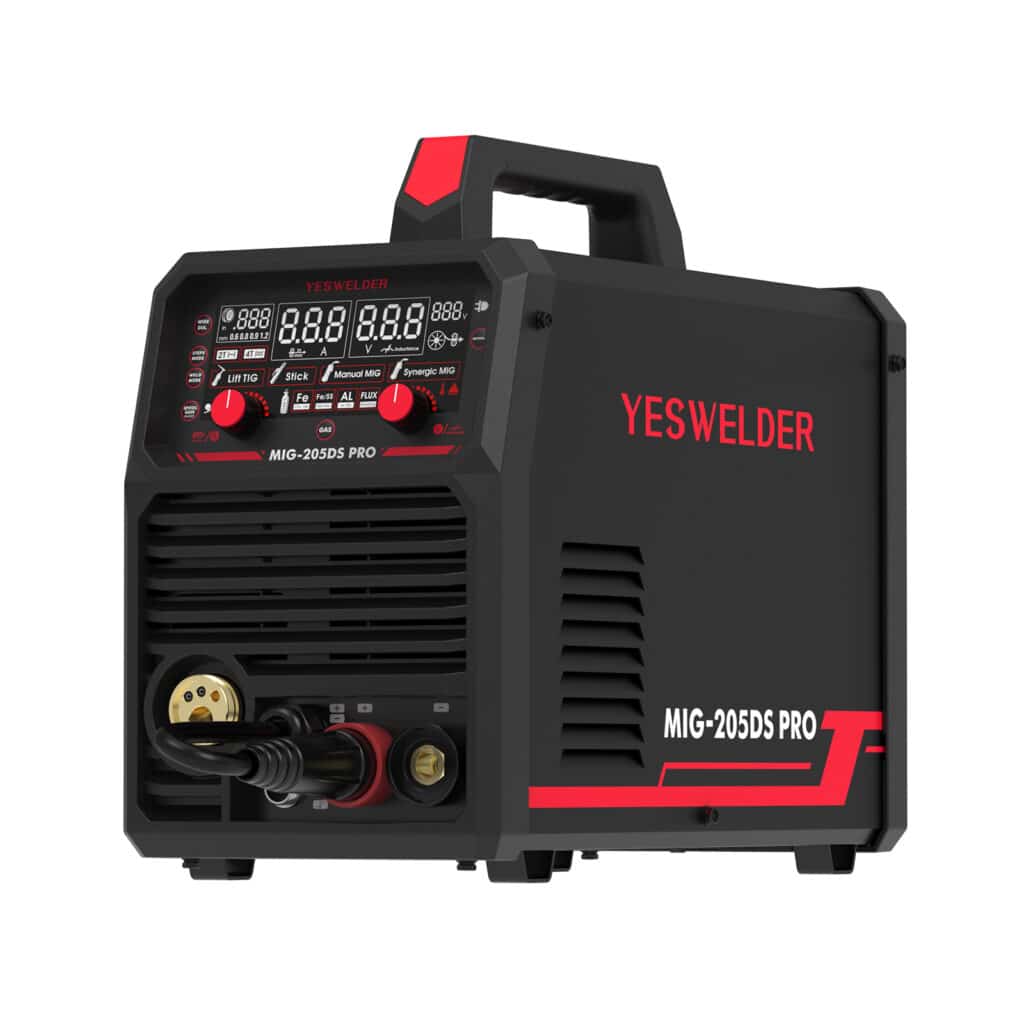
This dual-voltage multi-process machine supports MIG, TIG, and Stick welding with up to 205 amps of output.
The digital display makes switching modes simple, and inverter technology keeps it lightweight.
For the price range, it offers excellent versatility compared to single-process machines.
Best For: Home users who want flexibility without buying three separate welders.
Which Affordable TIG Welding Machines Deliver Clean Results?
TIG welding produces clean, precise welds. It requires more control but delivers professional-looking results.
Miller Maxstar 161 STL
This inverter-based TIG welder delivers up to 160A and supports both 120V and 240V inputs.
Arc starts feel smooth and controlled, which helps when welding stainless steel or thin metals.
Best For: Maintenance work and stainless steel projects.
YesWelder TIG 205P PRO
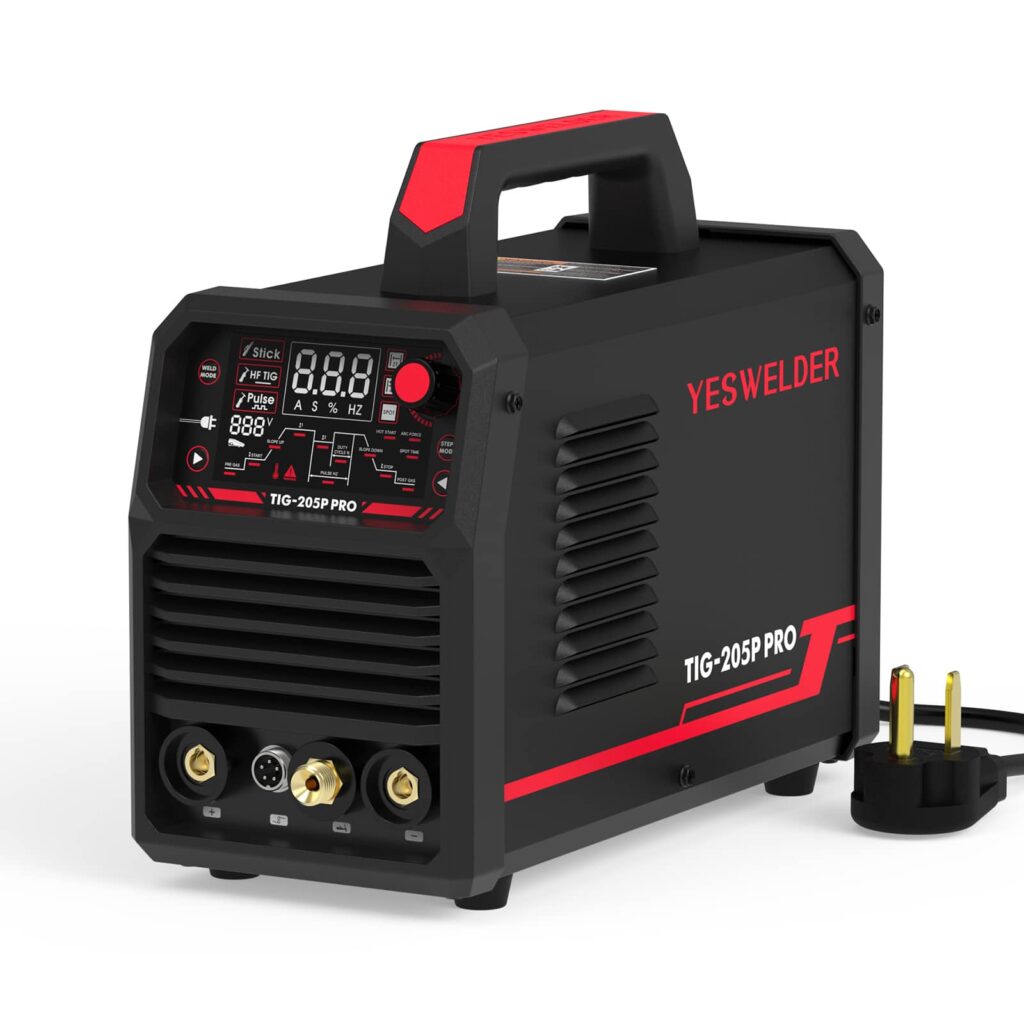
This 200A dual-voltage TIG welder includes pulse control and a digital panel.
Pulse welding helps control heat on thin materials, reducing burn-through.
Best For: Thin metals and light fabrication.
Everlast PowerTIG 200DV
With AC/DC capability and 200 amps of output, this machine handles aluminum and steel.
AC mode allows aluminum welding, while DC mode works for steel and stainless.
Best For: Small workshops needing aluminum capability without high-end pricing.
Which Affordable Stick Welding Machines Work Best for Outdoor Jobs?
Stick welders are durable and perform well outdoors. Wind doesn’t affect them as much as MIG.
YesWelder YWA-160
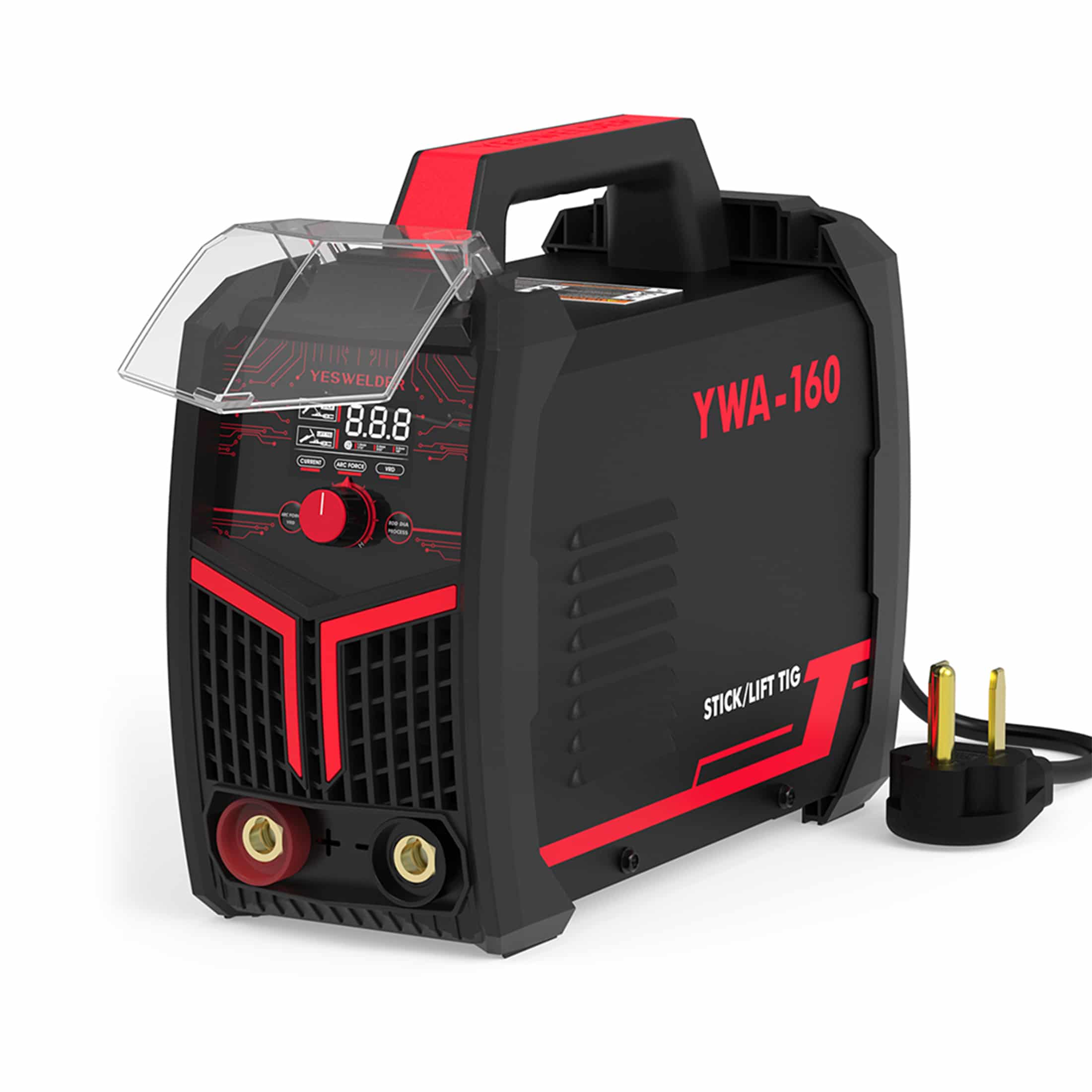
This 110V inverter stick welder delivers up to 160 amps in a compact design.
It includes hot-start support, which helps prevent electrode sticking.
Best For: Gates, frames, and outdoor repairs.
ESAB Rebel EMP 215ic
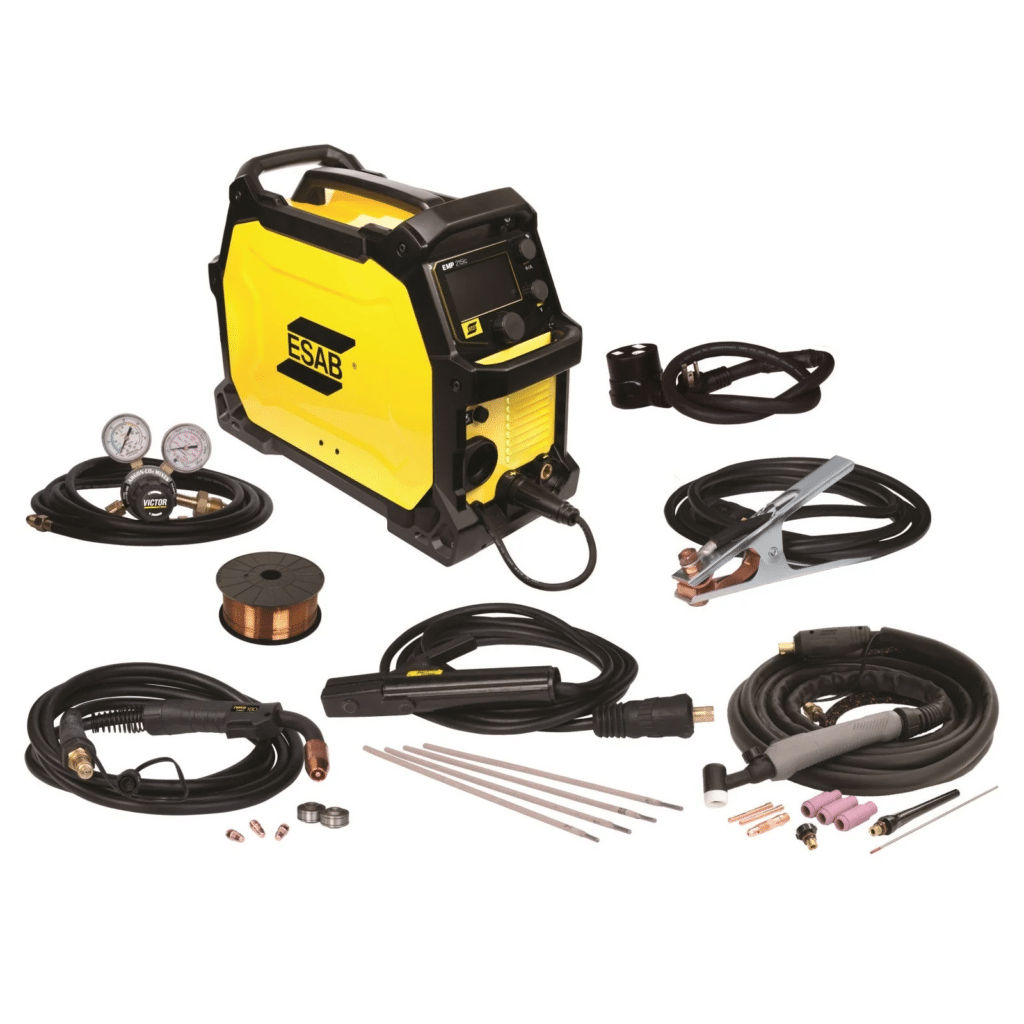
This dual-voltage multi-process welder handles MIG, TIG, and Stick with up to 240 amps.
The digital interface simplifies adjustments, and the build quality feels solid.
Best For: Small businesses needing one versatile machine.
Lincoln Electric AC-225
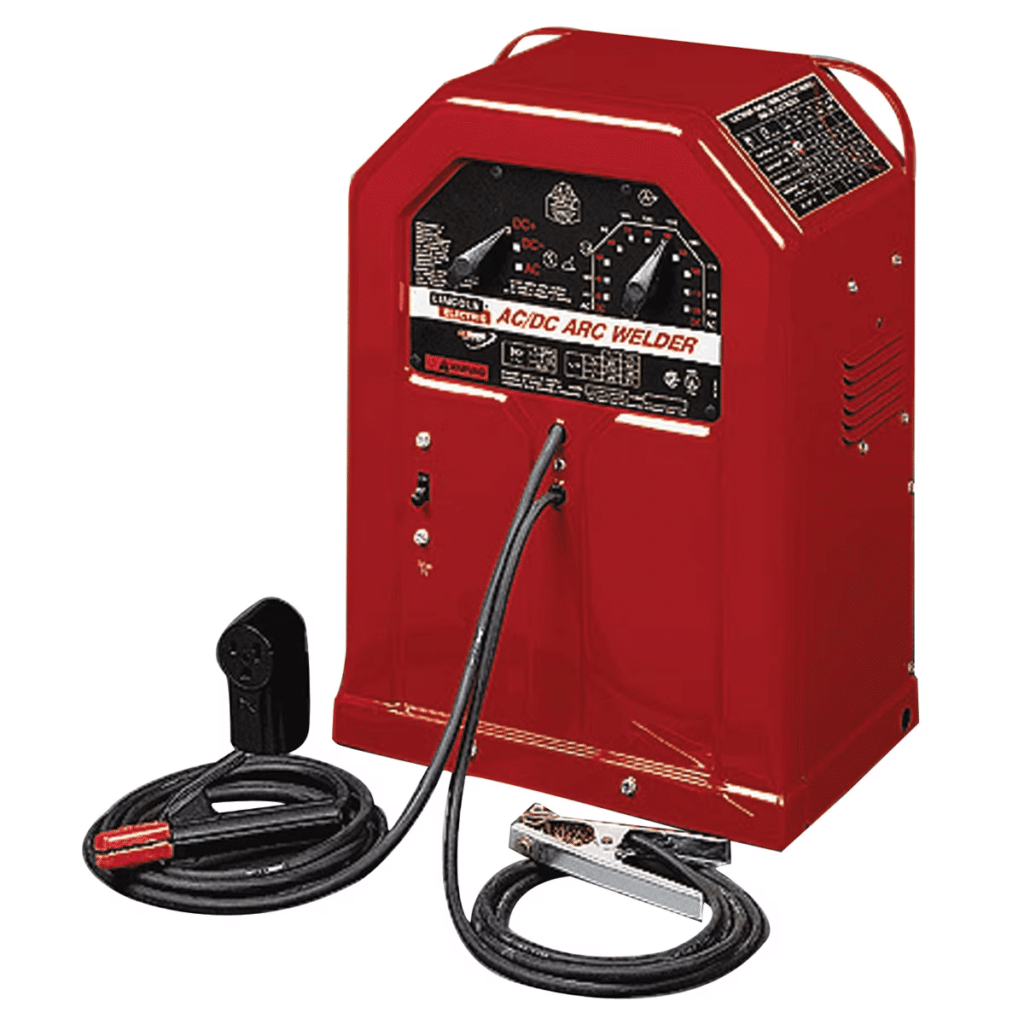
A transformer-based stick welder running on 230V with 225 amps of output.
It’s heavier than inverter models but known for durability.
Best For: Farm repairs and thick steel work.
What Mistakes Should You Avoid When Buying a Budget Welder?
Avoid these common mistakes:
- Ignoring Duty Cycle: Leads to overheating
- Choosing Too Low Amperage: Limits weld thickness
- Not Checking Input Voltage: Causes compatibility issues
- Overlooking Safety Features: Increases risk
- Buying Based on Price Alone: Warranty and brand support matter
A cheap welder that fails quickly isn’t actually cheap.
Final Thoughts: Which Affordable Welding Machine Should You Choose?
Affordable welding machines are more capable than ever. For most home users, a 110V 140A inverter welder handles daily repairs and light fabrication with ease.
If you want flexibility, choose a dual-voltage multi-process machine. If you weld outdoors often, stick welding may be the better fit. For clean, precise work, TIG is worth the learning curve.
Match the machine to your real projects — not to the highest number on the box.
If you’re exploring reliable and budget-friendly options, brands like YesWelder offer solid entry-level MIG, TIG, and Stick machines that balance price and performance.
Start with the type of welding you’ll use most, and build from there.
Frequently Asked Questions About Affordable Welding Machines
A 200-amp MIG welder can typically weld steel up to 1/4 inch thick in a single pass. With proper joint preparation and multiple passes, it can handle slightly thicker material. Aluminum requires more amperage than mild steel of the same thickness. For most home fabrication, frames, and brackets, 200 amps provide more than enough capacity.
Yes, gasless MIG welders can perform well for home projects and outdoor repairs. They use flux-core wire instead of shielding gas, which lowers upfront cost and improves performance in windy conditions. The tradeoff is more spatter and a slightly rougher weld appearance. For beginners working outdoors, gasless models can be a practical choice.
Most beginners can learn the basics of MIG welding in a few days. Understanding setup, wire speed, and travel angle doesn’t take long. With 10–20 hours of hands-on practice, many DIY users can produce solid welds on mild steel. However, mastering consistency and working on thicker or different metals may take several weeks of regular practice.
MIG welding is usually the best option for DIY projects because it balances ease of use, versatility, and clean results. It works well for mild steel, thin materials, and home repairs. Stick welding is better for outdoor work, while TIG welding is ideal for precision tasks but requires more skill.
Before buying a welder, check the amperage range, duty cycle, and voltage compatibility. Make sure your power outlet matches the machine’s requirements. Consider the type of projects you plan to complete, whether indoors or outdoors. Choosing the right process and power level prevents overspending and avoids performance limitations later.