
Push or Pull MIG Welding: Which Is Right for Your Weld?
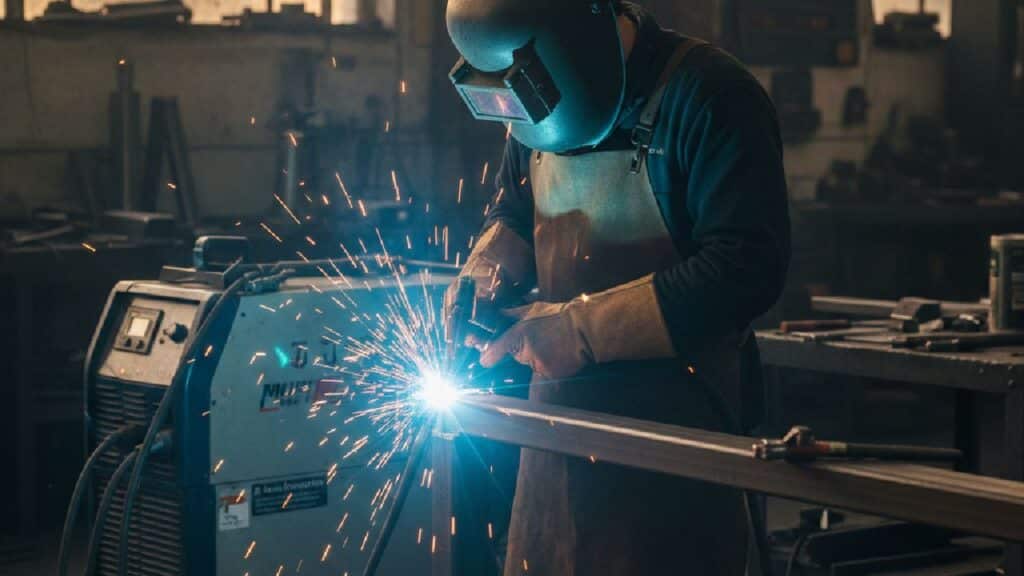
The short answer is simple: push MIG welding gives you cleaner, better-looking welds, while pull MIG welding delivers deeper penetration and stronger joints. In practice, the right choice comes down to material thickness, joint type, and what matters more on your job—appearance or strength. If you’ve ever dealt with excessive spatter, weak fusion, or uneven […]
TIG Welding vs Arc Welding: Quality, Performance, and Cost Compared
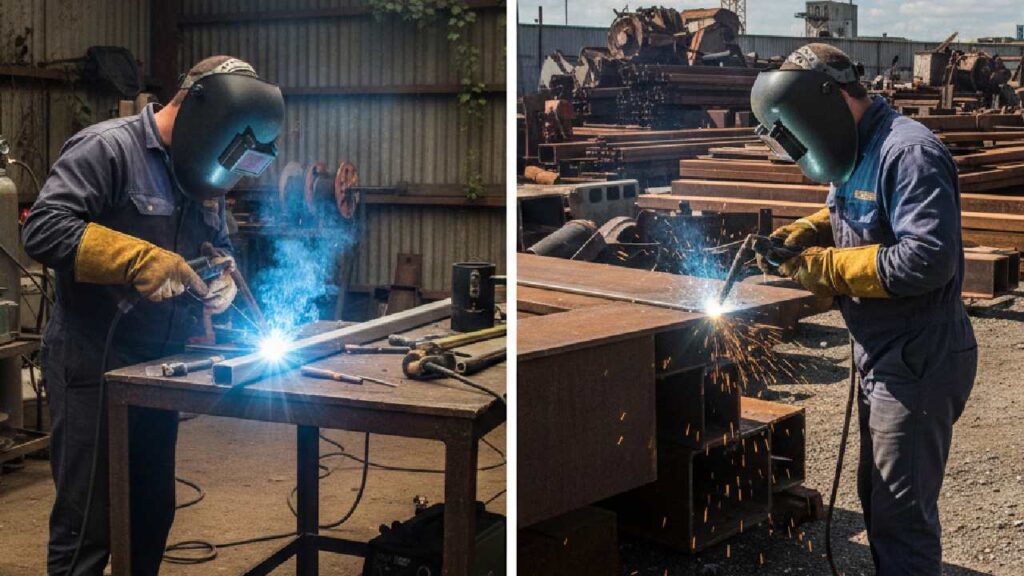
TIG welding and arc welding both create strong metal joints, but they are designed for very different kinds of work. TIG welding focuses on precision, clean appearance, and tight heat control. Arc welding (often called stick welding) focuses on strength, speed, and reliability in rough conditions. Neither method is universally better. The right choice depends […]
MIG Welding vs Arc Welding: Core Differences and Real-World Performance
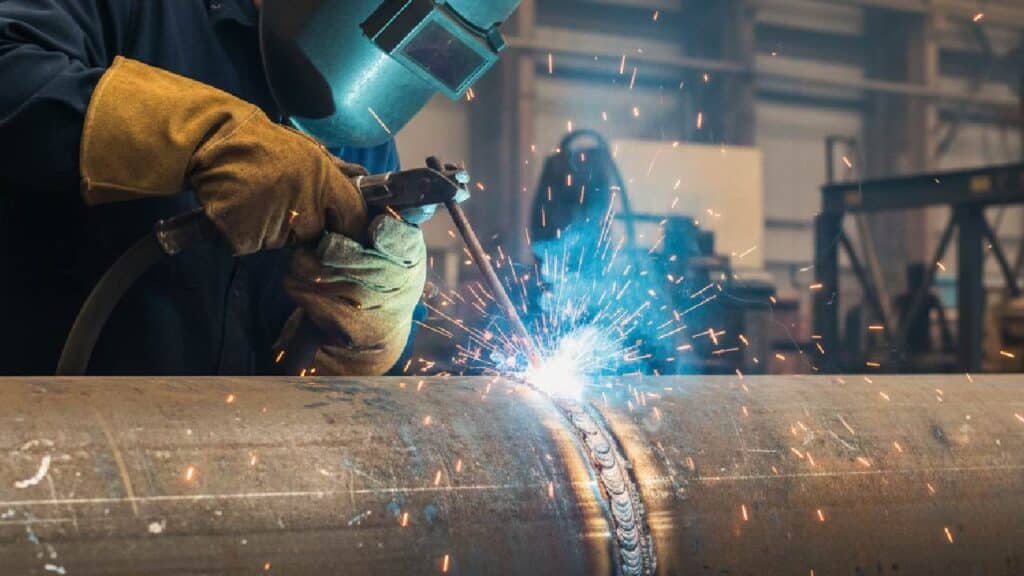
MIG welding and arc welding solve very different welding problems. MIG welding focuses on speed, clean welds, and ease of use. Arc welding (commonly called stick welding) prioritizes strength, portability, and outdoor reliability. If you’re deciding between MIG welding vs arc welding, the right choice depends on where you weld, what material you weld, and […]
Stick Welding vs MIG Welding: Which One Should You Use?
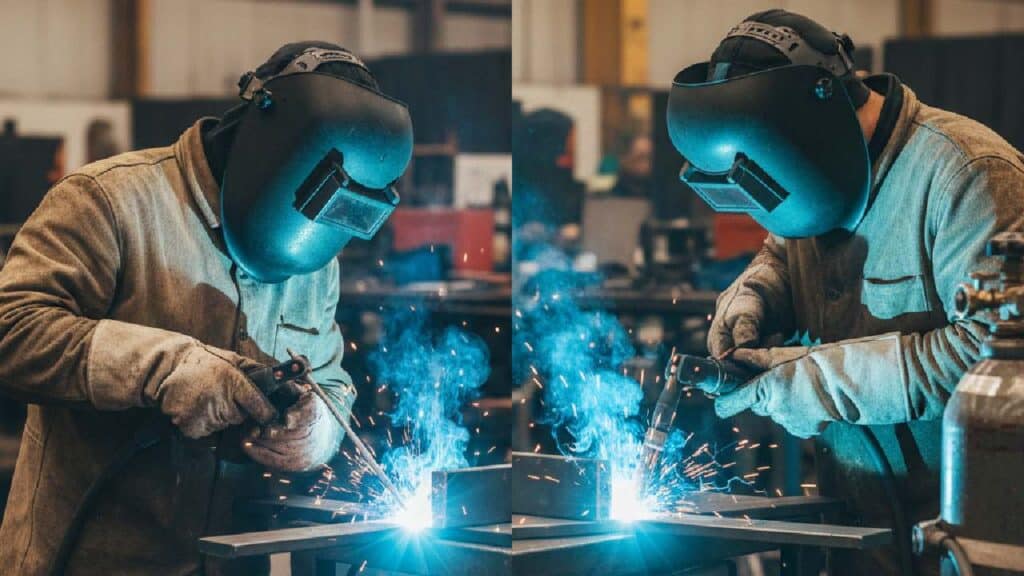
Stick welding and MIG welding can both produce strong welds—but they shine in very different situations.Choose stick welding if you work outdoors, deal with rusty or dirty steel, or need deep penetration on thick material.Choose MIG welding if you want fast, clean welds on thin to medium metals in a controlled indoor space. In this […]
TIG Welding vs Stick Welding: Which One Should You Choose?
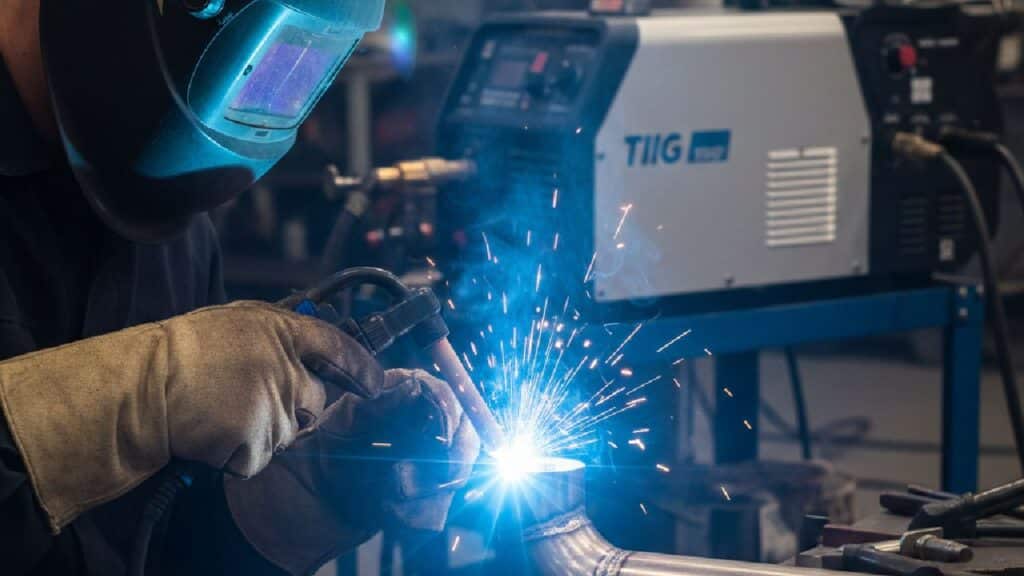
The difference between TIG welding and stick welding isn’t about which process is “better.”It’s about what kind of job you’re doing, where you’re doing it, and how much control you actually need. In short, TIG welding focuses on precision and clean appearance, while stick welding prioritizes strength, portability, and reliability in rough conditions. If you’re […]
Where to Buy Welding Supplies: Best Options for Beginners, DIYers, and Pros
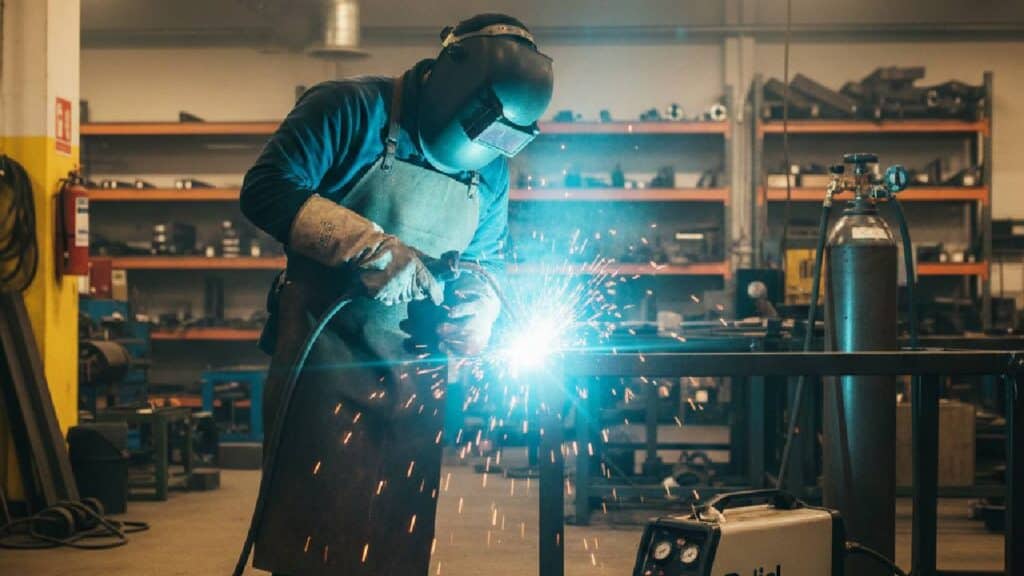
If you’re wondering where to buy welding supplies, the short answer is this: the best place depends on how often you weld and what you expect from your equipment. A first-time welder doesn’t need the same supplier as a fabrication shop running eight hours a day. Buy from the wrong place, and you’ll either overspend—or […]
MIG Welding Accessories List: 30+ Must-Have Tools, Consumables & Upgrades
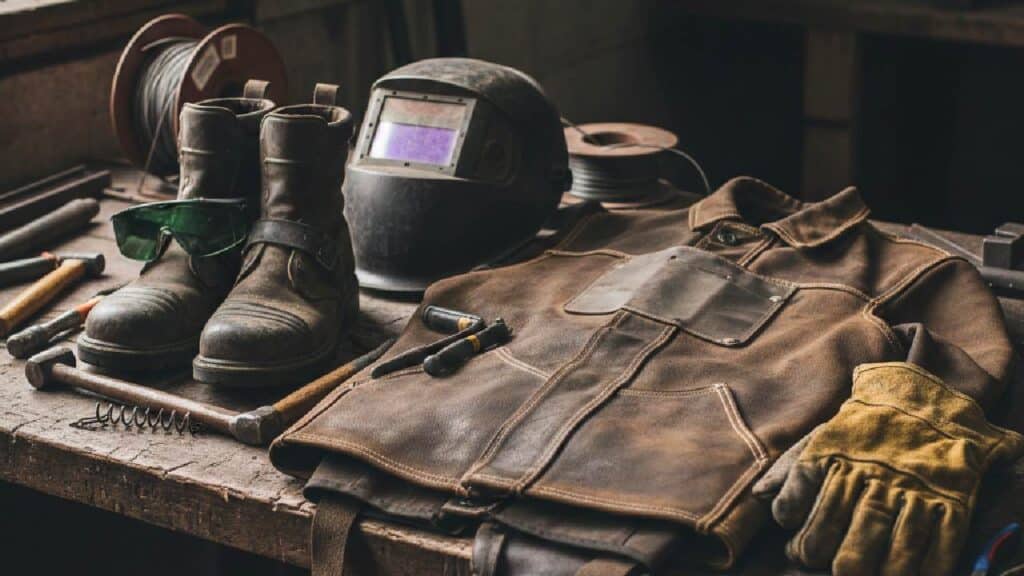
Accessories, not the welder itself, cause most MIG welding problems. If your wire keeps birdnesting, the arc feels unstable, or spatter is out of control, the issue is usually a mismatched contact tip, liner, gas setup, or ground—not the machine. We see this all the time, especially with new setups and home shops. In this […]
What Are MIG Gun Parts? A Complete Guide to MIG Welding Gun Components
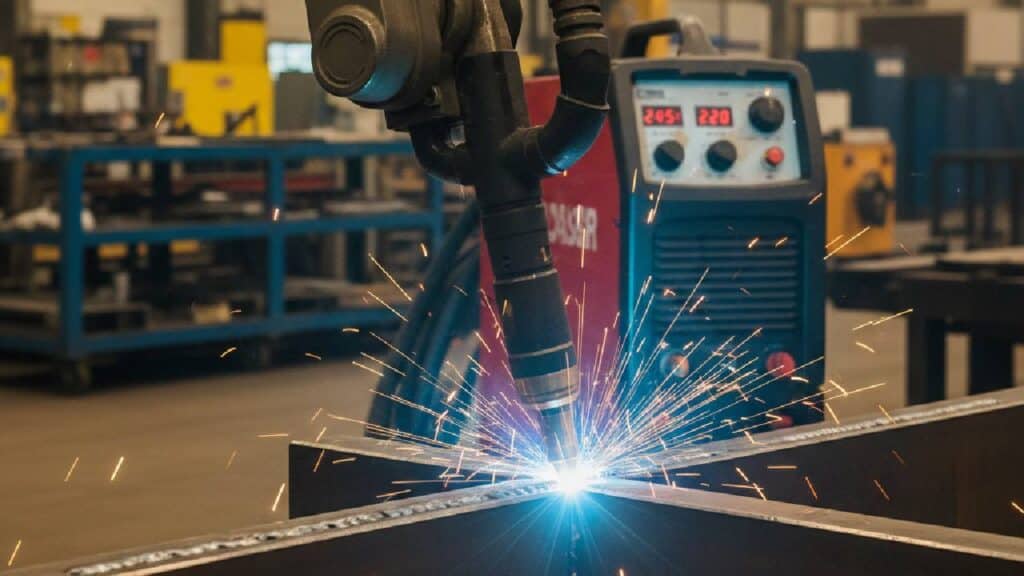
MIG gun parts are a set of components that work together to deliver high-quality welds. These are mechanical, electrical, and consumable components. Understanding the Metal Inert Gas gun parts is essential to ensure safety and desired welding results. In today’s guide, we will discuss the MIG gun parts in depth. What is the core importance […]
What to Know Before Buying Heavy-Duty Welding Equipment
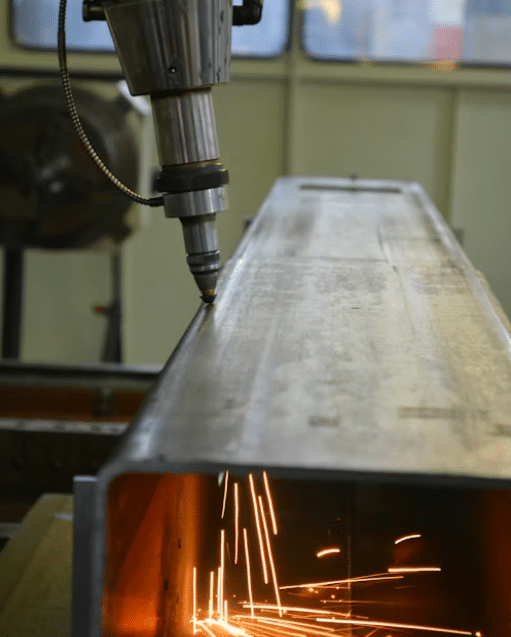
A large welding machine is built for serious work. It handles thick metal, long welds, and high heat without constant shutdowns.If your jobs involve structural steel, fabrication lines, or heavy repairs, a small welder will slow you down fast. This guide focuses on one thing: helping you decide whether you actually need a heavy-duty welding […]
Easiest Welding to Learn: What Type of Welding Is Best for Beginners?
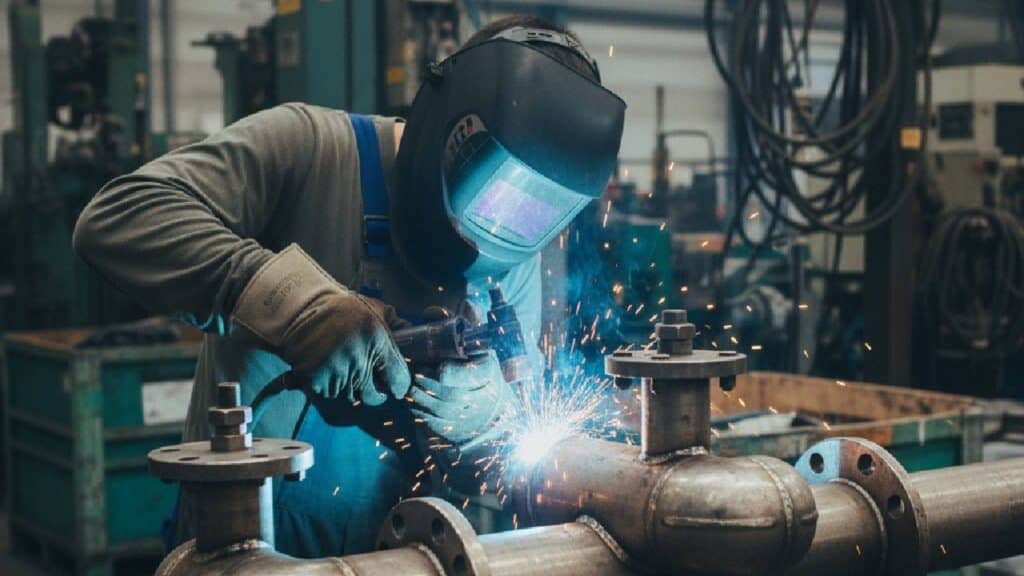
MIG welding is the easiest type of welding to learn, with flux-core welding a close second. Both processes give beginners a stable arc, simple setup, and fast progress without constant frustration. If you’ve ever watched welding videos and thought, “There’s no way I can do that,” you’re not alone. Welding looks intense—sparks flying, metal glowing, […]