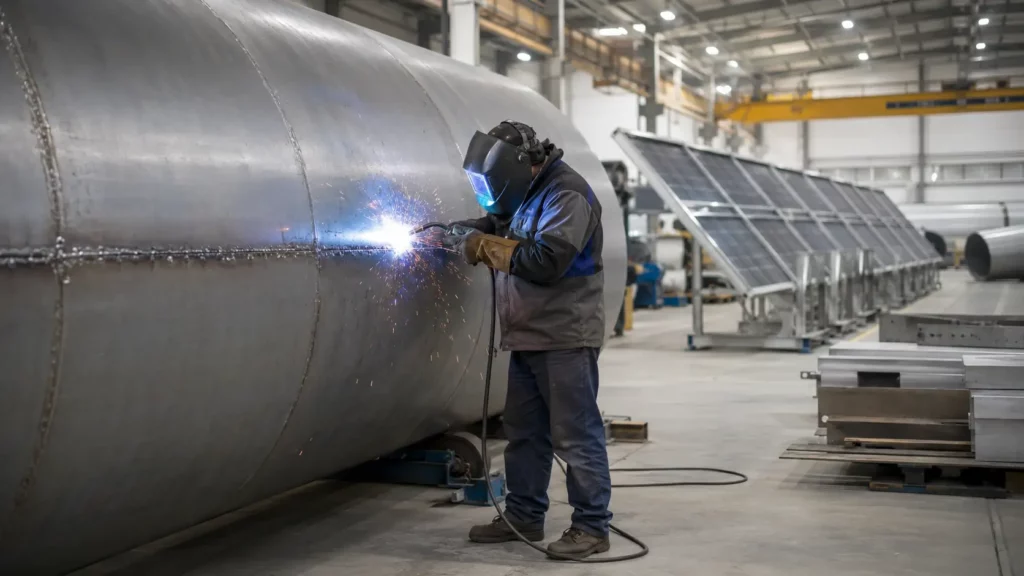
Renewable energy is creating new demand for welding, but it is also raising the bar for quality, durability, automation, and process control.
From offshore wind foundations and solar support structures to hydrogen tanks and battery systems, welded joints now have to perform in harsher environments and under tighter reliability expectations. Welding in Renewable Energy supports the strength, safety, and long-term performance of the systems behind clean power.
In this guide, we’ll explain why renewable energy welding is different, where it is used, and which technologies are shaping the future of this industry.
Why Is Renewable Energy Welding More Demanding Than Conventional Fabrication?
Renewable energy welding is more demanding because the parts often need to last for decades while facing weather, pressure, vibration, corrosion, and strict inspection.
In light fabrication, a poor weld may only lead to rework. In renewable energy systems, that same defect can cause downtime, leakage, cracking, or expensive field repair.
Longer Service Life and Harsher Conditions
Renewable energy parts are built for long service life. Many wind, solar, hydro, and hydrogen systems are expected to perform for decades, so the welds need more than a clean surface appearance.
Wind towers deal with changing wind loads. Offshore wind foundations face saltwater, moisture, and marine corrosion. Solar support systems sit outdoors through heat, rain, UV exposure, and ground movement.
Lower Tolerance for Defects, Leaks, and Rework
Renewable energy projects have lower tolerance for weld defects because many parts are expensive to repair after installation. A bad weld on a solar bracket may slow installation. A bad weld on a hydrogen pipe, offshore structure, or hydro turbine part can create a safety issue.
Common weld problems include porosity, lack of fusion, undercut, cracking, distortion, poor fit-up, and incomplete penetration. These defects can become worse when the part faces pressure, vibration, or corrosion.
Higher Expectations for Automation and Traceability
Renewable energy manufacturing also brings higher expectations for repeatability. A factory may need to weld hundreds of solar frames, long tower seams, battery trays, or pipe sections with the same quality level every day.
This is where process consistency becomes a business issue. Buyers want fewer delays, fewer rejected parts, and better records. Fabricators may need to track welding parameters, operator details, consumables, machine settings, and inspection results.
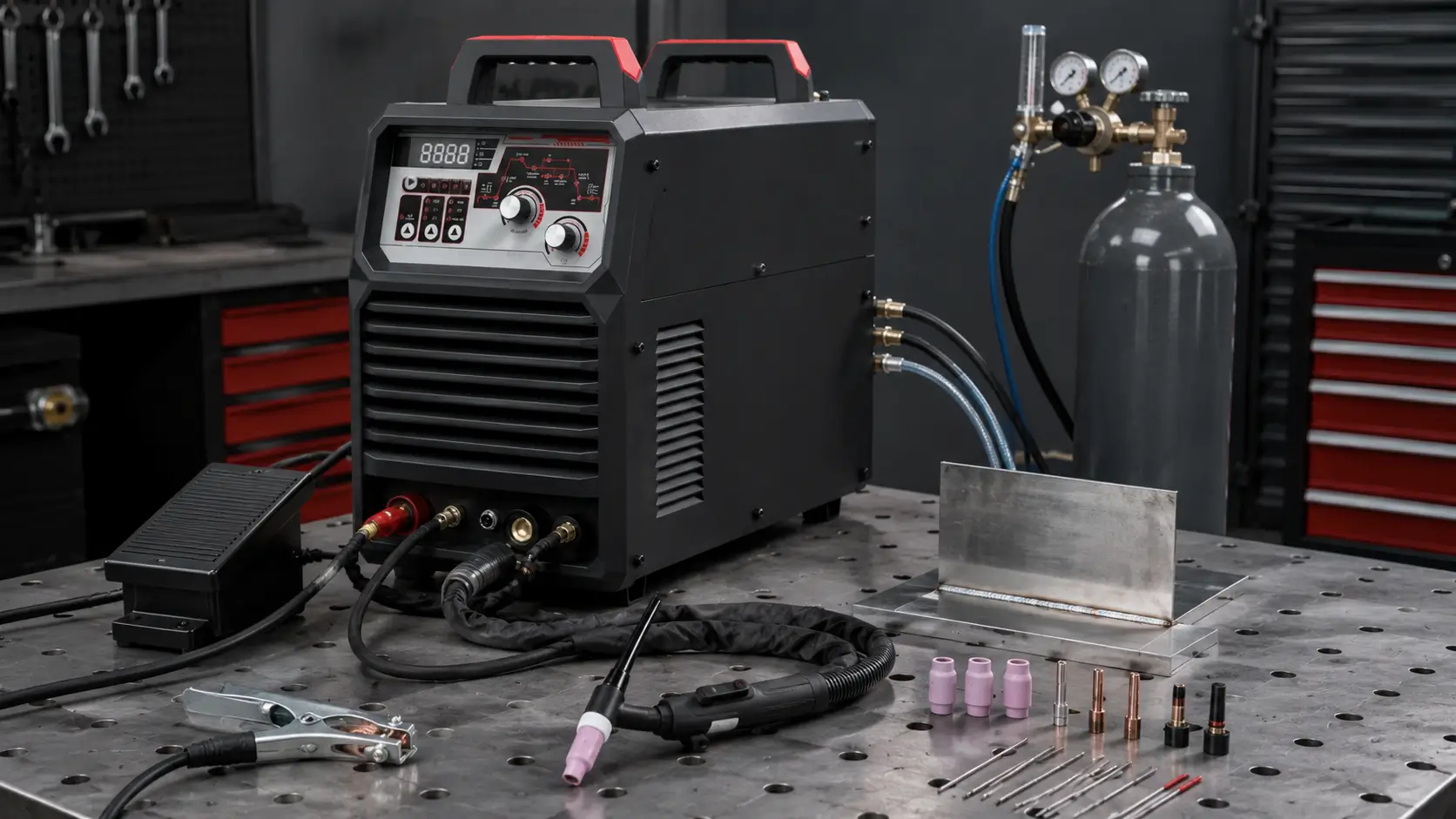
A reliable welding equipment supplier can support this need by helping distributors, shops, and industrial buyers match welding machines to duty cycle, material type, production volume, and repair conditions.
Where Is Welding Used Across Renewable Energy Sectors?
Welding is used across renewable energy sectors because clean-energy systems still depend on metal frames, supports, tanks, pipes, housings, and structural parts. The process changes by material, thickness, inspection level, and worksite conditions.
Wind, solar, hydropower, hydrogen, and EV applications at a glance
| Sector | Welded Work | Main Welding Need |
| Wind | Towers, monopiles, frames | Fatigue-resistant heavy welds |
| Solar | Racks, posts, trackers | Fast, repeatable fabrication |
| Hydropower | Pipes, gates, turbines | Repair strength and wear control |
| Hydrogen | Tanks, piping, skids | Leak control and cleanliness |
| EV/Battery | Busbars, trays, tabs | Precision joining with low heat |
How Is Welding Used in Wind Energy?
Welding is used in wind energy to fabricate towers, monopiles, transition pieces, nacelle frames, access platforms, support structures, and other heavy steel parts.
Wind towers, monopiles, and other heavy steel components
Wind tower sections are often made from rolled steel plates welded into large cylindrical shells. These welds are long, heavy, and highly controlled. Offshore wind monopiles and transition pieces can be even more demanding because they use thick steel and must resist wave loads, saltwater exposure, and fatigue.
Common wind fabrication work includes tower seams, flange areas, platform supports, ladders, frames, brackets, and foundation-related components. In many shops, submerged arc welding, MIG/MAG welding, flux-cored welding, and automated systems are used to improve deposition rate and consistency.
Fatigue, corrosion, and offshore durability challenges
Fatigue is one of the biggest welding concerns in wind energy. A tower, monopile, or jacket foundation can face millions of load cycles during service, so even a small weld defect or sharp transition can become a crack starting point.
Offshore wind adds another layer of risk. Saltwater, humidity, splash zones, and coating damage can speed up corrosion. Once the structure is installed offshore, inspection and repair become much more expensive.
Wind fabrication therefore needs careful fit-up, controlled weld profiles, proper consumables, coating protection, and inspection before shipment. A smoother weld shape can reduce stress concentration, while good coating preparation helps protect the steel after installation.
Why automated and robotic welding matter in wind fabrication
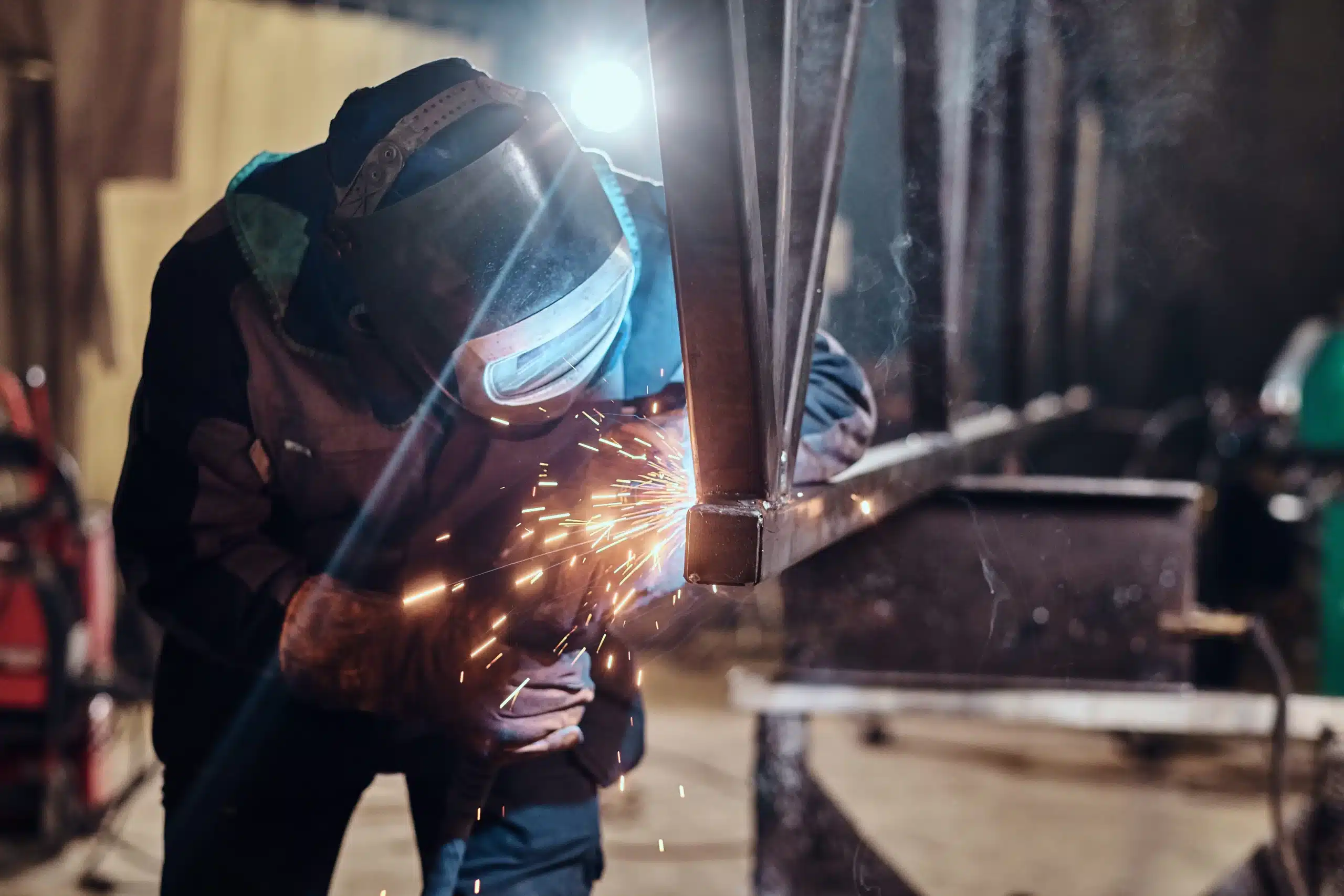
Automated and robotic welding matter in wind fabrication because many wind components involve long welds, thick steel, and repeated part geometry. Automation helps keep travel speed, wire feed, heat input, and bead placement more consistent over long production runs.
Robots and automated travel systems do not remove the need for skilled welders. They change the work. Skilled people are still needed for setup, programming, fit-up checks, repair, inspection support, and troubleshooting.
How Is Welding Used in Solar and Hydropower Infrastructure?
Welding is used in solar and hydropower infrastructure to build support frames, racks, tracking systems, turbines, pipelines, gates, runners, and repair overlays. Solar welding usually focuses on repeatability and speed, while hydropower welding focuses on long-life infrastructure and maintenance.
Solar farm frames, racks, and precision solar components
Solar welding may look lighter than wind welding, but it still needs control. A solar farm can include thousands of posts, rails, brackets, tracker parts, and support frames. If these parts do not fit well, installation slows down and alignment suffers.
A mig welder is often useful for steel solar frames, brackets, racks, and shop fabrication because MIG welding can support good speed and clean repeatable welds in controlled environments. It also fits many production tasks where the same part must be welded many times.
Turbines, pipelines, and water-exposed hydropower structures
Hydropower welding is often heavier and more repair-focused. Welded parts can include penstocks, pipe sections, turbine runners, gates, casings, guide vanes, trash racks, and structural supports.
These parts work in or around moving water. Over time, erosion, corrosion, impact, and cavitation can wear down metal surfaces. Weld repair and cladding can rebuild worn areas and help extend equipment life.
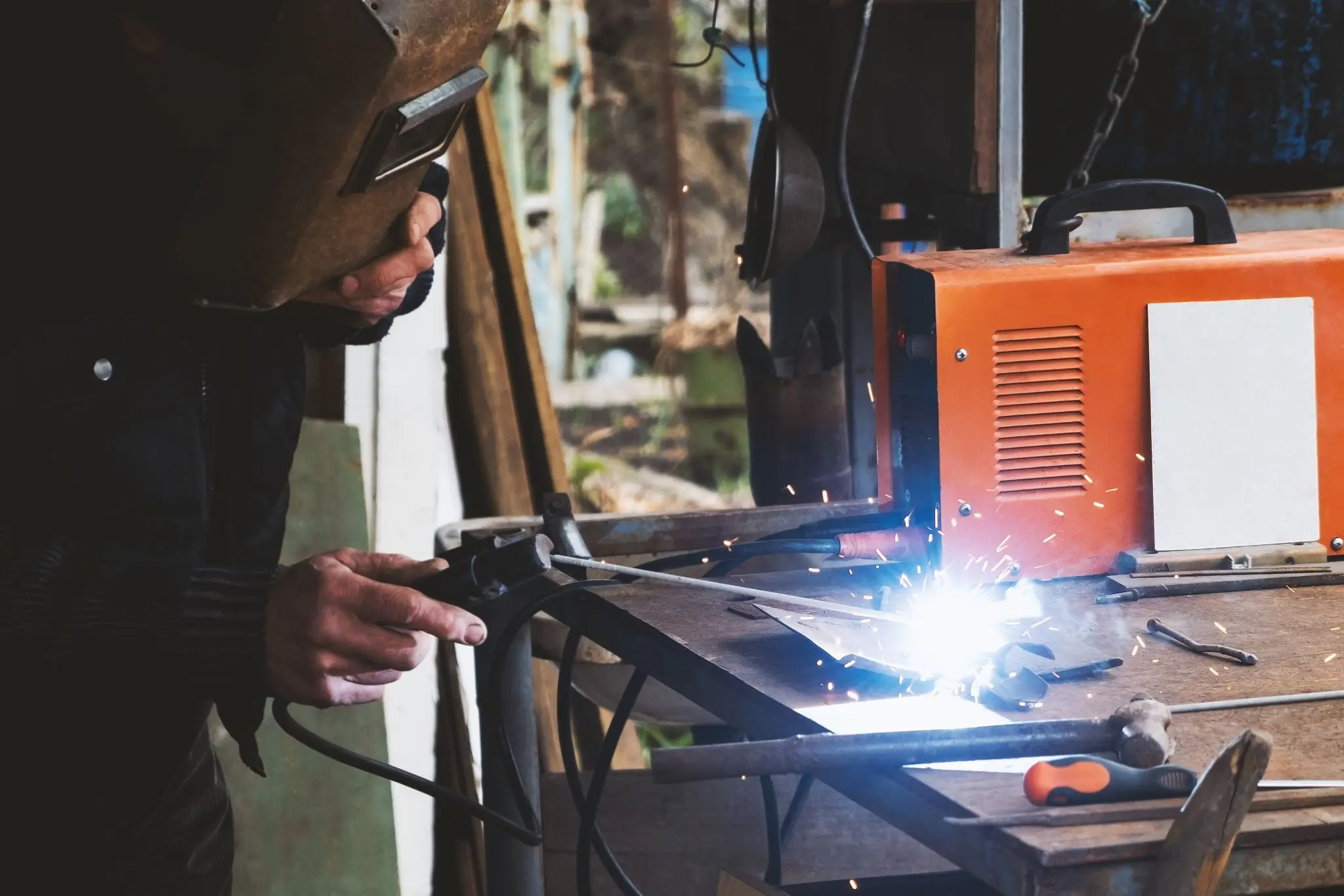
A stick welder can be valuable for hydropower repair and outdoor work because stick welding does not rely on external shielding gas. That makes it useful in remote areas, damp environments, field repairs, and access-limited sites where portability matters.
Repeatability, Dimensional Control, and Maintenance Access
Solar and hydropower show two different sides of renewable energy welding. Solar needs repeatable parts and smooth installation. Hydropower needs strong repair work and reliable performance under water pressure.
Solar work often depends on fixtures, fast production, clean welds, and coating protection. Hydropower work depends more on surface preparation, material matching, access planning, and repair quality.
Why Does Hydrogen Energy Welding Require Tighter Control?
Hydrogen energy welding requires tighter control because hydrogen systems allow very little room for contamination, cracking, or leakage. Tanks, pressure vessels, pipes, valves, skids, and green ammonia-related systems must hold pressure and pass strict inspection.
Hydrogen embrittlement explained in simple terms
Hydrogen embrittlement happens when hydrogen enters certain metals and makes them more likely to crack. The metal may look normal, but it can lose toughness under stress.
In welding, hydrogen can come from moisture, dirt, rust, oil, damp electrodes, poor storage, or the service environment itself. High-strength steels can be more sensitive, so procedure control becomes very important.
Good hydrogen-related welding starts with clean surfaces, dry consumables, suitable filler metals, controlled heat input, and proper inspection. The goal is to reduce cracking risk before the part ever goes into service.
Welding storage tanks, piping, and ammonia infrastructure
Hydrogen and ammonia infrastructure needs welds that can prevent leakage and handle pressure. These systems may include storage tanks, piping networks, transport skids, manifolds, valves, and process frames.
The welding process must support leak-tight joints, correct penetration, low contamination, and stable material properties. TIG welding, MIG welding, orbital welding, and low-hydrogen stick procedures may all be used depending on the part, code, material, and site condition.
Cleanliness, Low-Hydrogen Practice, and Inspection
Cleanliness is one of the main controls in hydrogen energy welding. Oil, paint, moisture, oxides, and dust can increase defect risk. Poorly stored electrodes or filler metals can also add unwanted hydrogen to the weld area.
Low-hydrogen practice may include dry electrode storage, preheat, interpass temperature control, correct cooling rate, and approved filler metal selection. Inspection may include visual testing, pressure testing, leak testing, radiography, ultrasonic testing, or dye penetrant testing.
A hydrogen weld is not judged only by how neat it looks. It must meet safety, sealing, and long-term reliability needs.
How Does Welding Support EV and Battery Manufacturing in the Clean-Energy Transition?
Welding supports EV and battery manufacturing by joining battery tabs, busbars, trays, cooling plates, pack housings, lightweight structures, and aluminum components. This work needs precision because many parts are thin, conductive, heat-sensitive, or made from mixed materials.
Battery packs, busbars, and precision joining
Battery welding is very different from heavy steel work. The parts are smaller, thinner, and more sensitive to heat. A poor joint can affect electrical resistance, heat buildup, pack safety, and long-term performance.
Battery manufacturing may involve cell tabs, copper or aluminum busbars, module frames, electrical connectors, cooling plates, and sealed enclosures. These joints need both mechanical strength and stable electrical performance.
Lightweight structures and aluminum joining
EV manufacturing also depends on lightweight metal structures. Aluminum is common because it reduces weight, but it requires careful joining. It conducts heat quickly, forms an oxide layer, and can distort if heat input is not controlled.
MIG, TIG, laser welding, friction stir welding, and resistance welding can all play a role in EV work. The right choice depends on alloy type, thickness, joint design, strength needs, and production volume.
Why laser, ultrasonic, and advanced joining methods are growing
Laser, ultrasonic, and advanced joining methods are growing because EV and battery parts need speed, precision, and repeatability. Manual welding still has value, but many clean-energy parts need the same joint repeated thousands of times.
Laser welding supports narrow welds and fast cycle times. Ultrasonic welding is useful for thin conductive materials. Friction stir welding can join aluminum with low distortion because it works without melting the base metal.
What Trends Are Defining the Future of Welding in Renewable Energy?
The future of welding in renewable energy is being shaped by automation, advanced joining, cleaner fabrication, and broader welding skill needs. The industry is moving toward better repeatability, stronger quality tracking, and lower waste.
More robotic welding and high-duty automated systems
Robotic welding and automated systems will grow in renewable energy manufacturing because many parts involve repeated welds, long seams, and high production volume.
Automation is especially useful for wind tower seams, solar frame parts, EV structures, and battery trays. It helps control speed, bead placement, and heat input. It can also reduce operator fatigue on long production runs.
Still, people remain central. Welders, supervisors, inspectors, and technicians are needed to set up the job, monitor the process, repair defects, and keep production stable.
More advanced joining methods such as friction stir, vacuum, and electron beam welding
Advanced joining methods are becoming more important as renewable energy parts become more specialized. Some parts need deep penetration. Others need low heat input, clean weld zones, or tighter distortion control.
Friction stir welding is useful for selected aluminum structures. Laser welding fits high-speed precision production. Electron beam welding can support deep, narrow welds in controlled environments. For some high-spec parts, vacuum electron beam welding may also help when the material needs a cleaner joining environment.
More focus on green welding, energy efficiency, and lower-carbon fabrication
Renewable energy manufacturers are paying more attention to the carbon footprint of fabrication. Welding uses electricity, filler metal, shielding gas, abrasives, consumables, and labor. Rework adds even more waste.
Cleaner fabrication starts with better planning. Accurate fit-up, correct weld size, efficient machines, proper consumable storage, and fewer rejected parts can reduce cost and waste together.
This is good for both production and sustainability. A weld that passes the first time saves energy, material, inspection time, and delivery delays.
More demand for cross-sector welding skills and process expertise
Renewable energy welding needs people who can work across materials and processes. A shop may handle steel solar frames one week, aluminum EV parts next month, and field repair work after that.
Useful skills include reading welding symbols, following WPS requirements, controlling heat input, handling stainless steel and aluminum, reducing distortion, and preparing welds for inspection.
Conclusion
Renewable energy welding supports the strength, safety, and long-term reliability of wind, solar, hydropower, hydrogen, EV, and battery-related systems. As these projects grow, welding teams need better process control, stronger inspection habits, cleaner fabrication, and equipment that can handle repeatable production.
Renewable energy welding covers many different applications, not just one process or one market. Solar frames, wind towers, hydrogen piping, hydropower repairs, and EV battery parts all need different welding choices.
For welding equipment solutions, wholesale cooperation, or product recommendations for renewable energy fabrication, contact YesWelder Wholesale and choose machines that fit your market.
Frequently Asked Questions
Yes, some renewable energy projects require different welding qualifications, especially when the work involves pressure vessels, structural steel, offshore structures, pipelines, or safety-rated components.
Robotic welding is not fully replacing human welders. It is taking over more repeated, high-volume, and long-seam work, while skilled welders still handle setup, repair, field welding, fit-up, and quality checks.
Wind and hydropower are among the most welding-intensive sectors because they use heavy steel structures, thick parts, large welds, and long-life equipment. Wind projects need towers, monopiles, transition pieces, and support frames.
Welding affects the carbon footprint through electricity use, shielding gas, filler metal, grinding, consumables, rejected parts, and rework. Poor welding increases waste because parts may need repair, extra inspection, or replacement.
Yes, smaller fabrication shops can enter the renewable energy supply chain through solar brackets, support frames, repair parts, skids, maintenance components, and subcontracted assemblies.